SHOCKING! SFA’S RELENTLESS BIAS EXPOSED — CLEAR PUSH ON BACK LETS CELTIC STAY IN THE TITLE RACE — SFA RESPOND TO DUNDEE FC STATEMENT
In a season of jaw‑dropping twists, controversy, and fervent title speculation, the latest chapter unfolded at Dens Park, where Celtic eked out a dramatic 2–1 win over Dundee FC — a result that keeps them firmly in the hunt for the Scottish Premiership crown. What should have been a tight encounter turned into fodder for furious debate as supporters, pundits and club officials descended into a familiar grievance: refereeing decisions, alleged favouritism, and alleged bias by the game’s governing body — the Scottish Football Association (SFA).
This article unpacks every angle: the match itself, the controversial goal that swung the tie, Dundee’s official complaints and statement, the SFA’s response, analysis of officiating patterns, fan and club reactions, and why this controversy taps into a deeper vein of tension in Scottish football.
The Game That Sparked Fury
Celtic visited Dens Park knowing a win could keep their title hopes alive — while a draw or loss might effectively end them. Early on, Celtic took the lead through Yang Hyun‑Jun, who profited from a rebound following a crowded penalty area scramble. But Dundee, resilient and committed, struck back in the 57th minute when Simon Murray stepped up to slot home a penalty awarded after the referee consulted VAR — a decision that many felt was borderline given the nature of the handball call against Celtic defender Colby Donovan.
Then came the moment of contention.
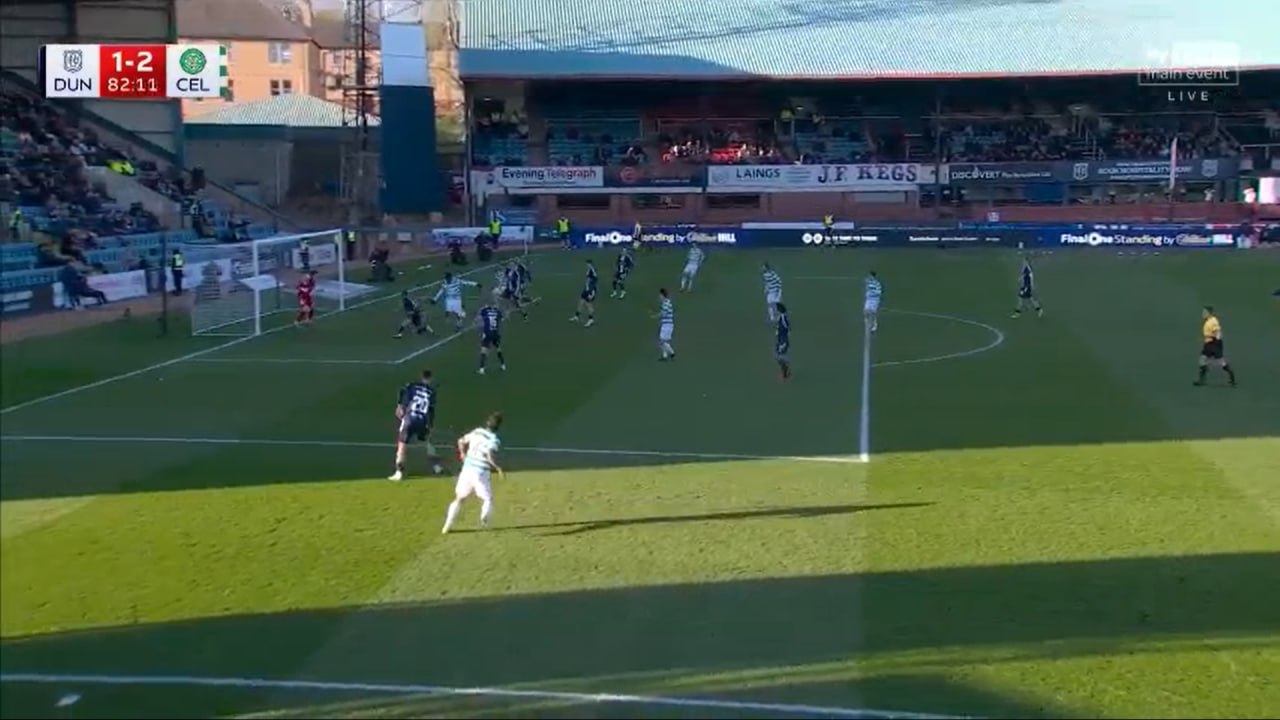
With the clock ticking towards the 82nd minute, Celtic substitute Kelechi Iheanacho (a veteran with Manchester City pedigree) pounced on a low cross from Marcelo Saracchi and powered the ball home from close range — a goal that ultimately decided the contest. What irked Dundee — and later propelled their official protests — was the physical interplay leading up to the goal. Dundee claimed that Iheanacho “pushed the defender on the back” in the build‑up, creating an unfair advantage and questioning the legitimacy of the winning goal.
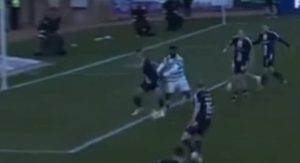
While referees rarely interpret every contact as a foul, Dundee saw this moment as the epitome of officiating inconsistency — a belief rooted in wider frustrations with refereeing decisions disproportionately benefiting Celtic in important moments.

The Dundee FC Statement: “We Won’t Be Silent”
Dundee FC released an official statement shortly after the match, expressing deep frustration at how the game was officiated. The club highlighted two key issues:
- The equalising penalty awarded to Celtic through VAR intervention — an incident Dundee felt should not have been given; and
- The decisive late goal, which they argued followed a clear push on one of their defenders, alleging that physical contact of that type should have been penalised.
The statement condemned what Dundee saw as inconsistent officiating, calling for clearer standards and accountability from match officials and, crucially, the SFA itself. While the full content of the statement hasn’t been widely published by major outlets yet, club sources indicate that Dundee’s leadership labelled the officiating decisions as “determinative in the outcome” and “contrary to the spirit of fair competition.” (Context from match detail sources).
This was not a lone gripe from the visitors: club officials reportedly submitted their own footage to the SFA in protest, saying that evidence from TV angles showed the contact clearly before the winning goal — a move that mirrors similar protests made by other Scottish clubs in recent seasons.
SFA Response — Defense, Denial or Damage Control?
The SFA, in response to Dundee’s statement, offered a typically terse explanation focused on the referee and VAR processes. Their official communication acknowledged that officials had met and reviewed the match, but emphasised that the decisions on the day were consistent with the interpretation of the laws of the game. While they did not deeply specifically address Dundee’s claim about the contact before the goal, they reiterated that VAR and on‑field refereeing decisions are guided by the Laws of the Game and cannot be retrospectively overturned.
This response, however, did not satisfy Dundee FC nor many segment of fans across Scottish football — particularly supporters of Celtic’s rivals like Hearts or Rangers — who argue that the SFA’s pronouncements often read like damage control rather than a genuine engagement with club concerns.
Critics further highlight the inconsistency of VAR application across matches. For instance, the SFA’s own Key Match Incident Panel previously ruled that some decisions — including a Celtic penalty at another club’s ground — were incorrect, underscoring how even retrospective reviews admit mistakes.
Is There a Pattern of Bias? Statistics, Perceptions and Controversy
This specific controversy did not arise in a vacuum. It fits into a longer narrative among certain Scottish supporters that officiating decisions — especially VAR involvement — seem inconsistent or skewed in high‑profile matches. Let’s look at some supporting context:
a. VAR Discontent is Widespread
Frustrations with VAR are not unique to this match. Fans from multiple clubs have previously questioned VAR decisions — penalties awarded to some, denied to others, and handball interpretations that seem to fluctuate week to week. Former players, pundits and supporters alike have criticised the seeming inconsistency in interpretations, with some segments of the fanbase describing the framework as chaotic or unpredictable.
b. Split SFA Key Match Incident Reviews
In a 2025 SFA Key Match Incident review, panel members differed on controversial decisions — including both under and over‑turned penalties. This divided verdict speaks to the inherent subjectivity involved, but also fuels perceptions that decisions are being justified after the fact rather than uniformly applied.
c. Dundee’s Own History of Complaints
Dundee clubs have a tradition of contesting decisions when they feel wronged — and in one past example, club officials submitted video evidence directly to the SFA about alleged misjudgements in a previous defeat to Celtic.
5. Fan Reactions: From Outrage to Exhaustion
The reaction among fans online was swift, electric and deeply divided. Across Twitter, Reddit, fan forums and supporter channels:
- Some Dundee supporters were incandescent — claiming the match was effectively decided by officiating decisions, not footballing merit.
- Some Celtic fans, while celebrating the result, acknowledged the debate over the goal and stressed that refereeing is imperfect and contact is part of the game.
- Neutral observers called for consistency and transparency in VAR communication and questioned why similar incidents differ in outcome from game to game.
One common theme emerged: citizens of the Scottish football community are tired of repetitive debates about officiating integrity. Whether or not bias is present, the lack of consistent outcomes fuels suspicion among supporters of multiple clubs.
Implications for the Title Race
Beyond passion and protest lies a very real competitive implication: this result has kept Celtic in the title race.
With this win, Celtic remain just three points behind leaders Hearts — keeping alive their hopes of claiming the Scottish Premiership. Had they drawn or lost, their mathematical chance of winning the title would have been severely damaged. Magically dramatic late goals often define football seasons, but when those moments are marked by controversy, the resulting tension becomes magnified across the league narrative.
A title race this closely‑contested would provoke debate in any league — but in Scotland, where Celtic, Hearts and Rangers all vie for supremacy, these moments take on disproportionate weight.
Why This Matters: Integrity, Trust and the Future of Scottish Football
At its heart, this controversy touches on something deeper than one push or one VAR call:
a. Trust in officiating
The game depends on impartiality. When repeated contentious decisions favour one club in pivotal moments, scepticism grows — regardless of whether it stems from error, perception, or systemic flaw.
b. Transparency from governing bodies
Fans and clubs alike want clearer justifications for decisions, ideally communicated with data, angle reviews, and accountability. Vague explanations are no longer sufficient in the age of replays and social media scrutiny.
c. VAR in Scottish football
While VAR was designed to reduce controversy, inconsistencies in its implementation — or the perception thereof — continue to inflame passions rather than settle them.
The SFA’s handling of dissent — heavy on defence, light on engagement — has done little to quell rising discontent among sections of the supporter base across Scotland.
8. Conclusion: A Game, a Dispute, a Season Defined by Debate
The Celtic vs Dundee FC match was more than just a fixture. It has become a flashpoint for wider unease about officiating standards, VAR interpretation, and the role of the SFA in managing — and sometimes defending — contentious decisions.
Dundee’s official statement and subsequent SFA response have brought the debate into sharp relief, and whether or not there was bias on the day, the broader conversation matters deeply to the Scottish game’s future.
In a championship race defined by narrow margins, every decision counts — and the perception of fairness counts just as much as the reality. As the season reaches its climax, Scottish football will be watching not just the goals and points tally — but how the authorities handle scrutiny and dissent.







Post Comment