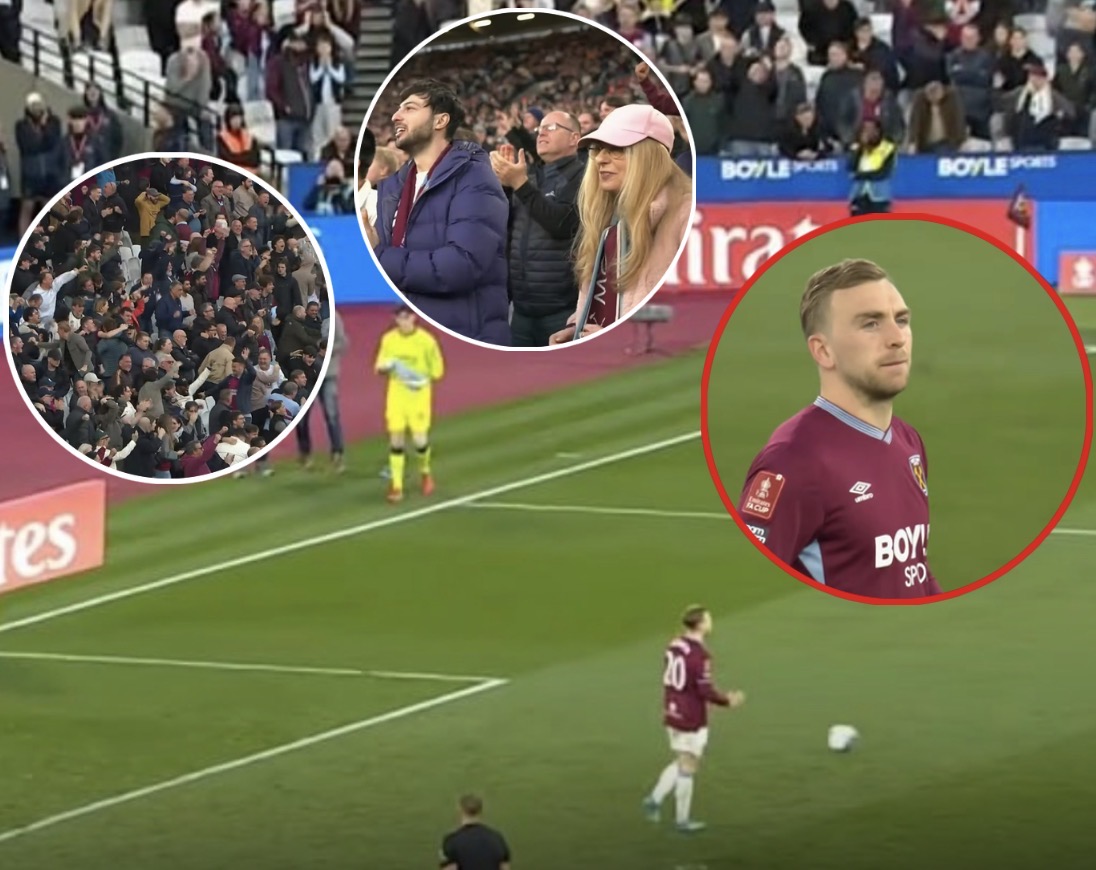
Jarrod Bowen breaks silence after brutal fan backlash following West Ham’s collapse vs Leeds United
Football has always been a game of fine margins — moments that define heroes and, just as quickly, create villains. For Jarrod Bowen, the aftermath of West Ham United’s dramatic FA Cup exit to Leeds United turned into one of those cruel, emotionally draining nights that modern footballers dread.
What began as a spirited comeback performance ended in heartbreak, frustration, and, ultimately, a wave of online abuse from sections of the West Ham fanbase. Within hours, Bowen took to social media with what many described as a “heartbreaking” message — a raw, honest reflection of a player crushed by the weight of expectation and the reality of failure.
But this story is far deeper than a missed penalty.

It is about pressure, loyalty, fan culture, and the increasingly toxic relationship between players and supporters in the digital age.
The Match That Sparked Chaos
The FA Cup clash between West Ham United and Leeds United had everything — drama, controversy, late goals, and a penalty shootout that would leave lasting scars.
Leeds looked to have the game wrapped up early, racing into a 2–0 lead thanks to goals from Ao Tanaka and a penalty by Dominic Calvert-Lewin.
For large spells, West Ham were second best.
Then came the twist.
In stoppage time, West Ham produced a stunning comeback, scoring twice through Mateus Fernandes and Axel Disasi to force extra time — a moment that reignited belief inside the London Stadium.
And at that point, momentum had completely shifted.
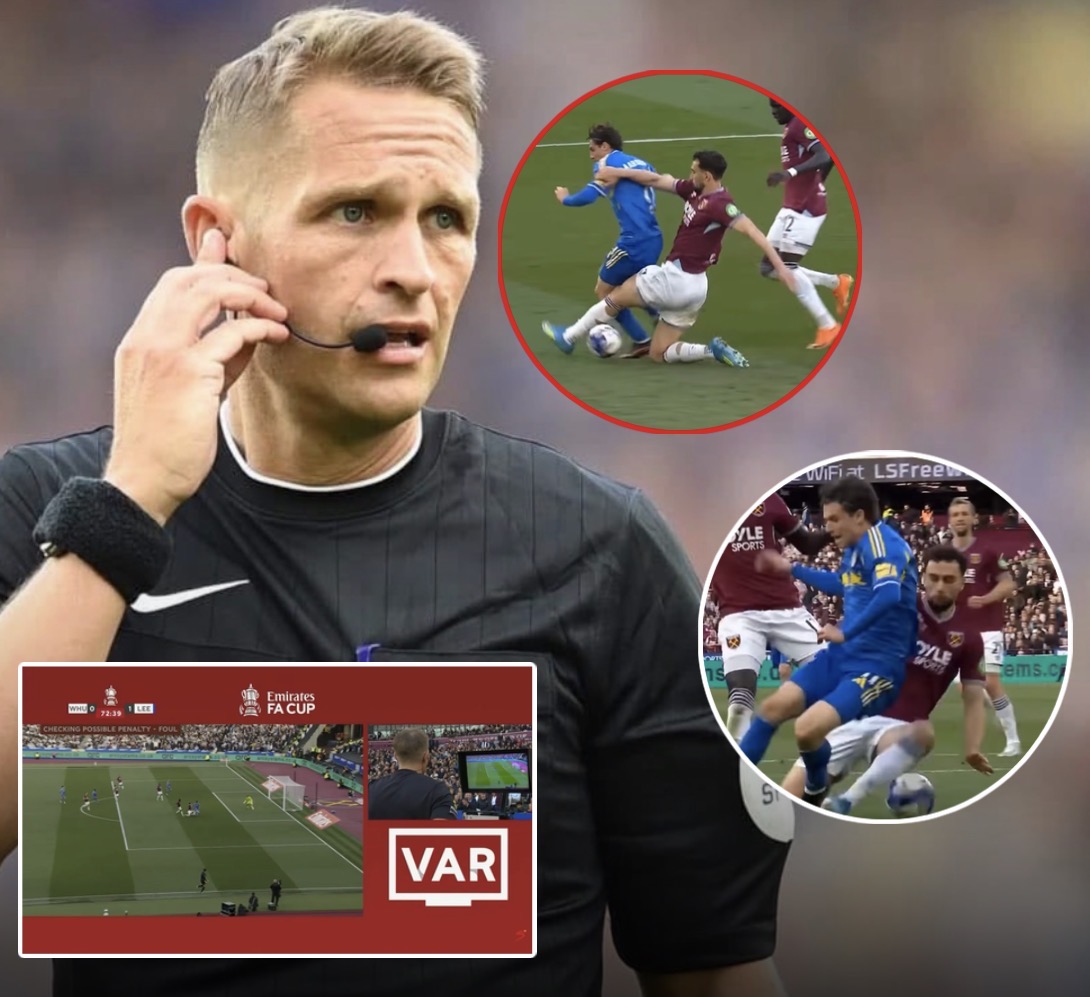
West Ham looked the more dangerous side. They even had two goals ruled out in extra time — decisions that only added to the tension and sense of injustice.
But football rarely rewards dominance without precision.
The match went to penalties.
And that’s where everything changed.
The Moment That Defined the Night
In shootouts, the smallest mistake becomes the biggest story.
After Lucas Perri began making crucial saves, the pressure intensified on West Ham’s takers.
Then came the defining moment.
Jarrod Bowen stepped up.
This was the captain. The leader. The man fans often look to in decisive moments.
But his effort lacked power and precision — easily saved.
Just like that, the momentum shifted again.
Leeds held their nerve, winning the shootout 4–2 and advancing to the FA Cup semi-finals.
For Bowen, it wasn’t just a miss.
It was the miss.
Immediate Fallout: From Support to Criticism
Football fans are emotional — but in the age of social media, that emotion is instant, public, and often ruthless.
Within minutes of the final whistle, criticism began pouring in.
Some supporters expressed disappointment.
Others crossed the line.
Bowen, who had actually played a key role in West Ham’s comeback, suddenly became the focal point of blame.
And this wasn’t new.
There had already been tension between Bowen and certain sections of the fanbase earlier in the season, particularly during poor runs of form and relegation fears.
But this moment amplified everything.
Missed penalty + elimination = target.
The “Heartbreaking” Message
Not long after the match, Bowen addressed the situation directly — both in interviews and via social media.
His message was simple, emotional, and brutally honest.
“Gutted… it hurts a lot… I missed, and I can only apologise.”
He didn’t hide.
He didn’t deflect blame.
He owned it.
Bowen admitted the pain, acknowledged the mistake, and accepted responsibility — a response that many fans praised, even as others continued to criticise.
He also made one key point:
“It doesn’t define who I am.”
That line stood out.
Because in modern football, moments like this often do define players — at least in the eyes of supporters.
Why Bowen Was Targeted
To understand the backlash, you need to understand Bowen’s status at West Ham.
He isn’t just another player.
- Club captain
- Key attacking figure
- Proven match-winner
- One of the team’s most consistent performers
In fact, Bowen has been one of West Ham’s most important players in recent years, even delivering a European trophy-winning goal in 2023.
So when he misses, it hits harder.
Fans expect more from leaders.
And when expectations are high, criticism becomes harsher.
The Role of the Game Context
This wasn’t just any match.
It was a FA Cup quarter-final — a route to Wembley.
A chance for silverware.
A moment in a season where West Ham have already been struggling.
Their Premier League campaign has been plagued by inconsistency and relegation concerns, adding even more weight to cup competitions as a source of hope.
So when that hope disappears…
Emotion explodes.
Fan Culture: Passion vs Toxicity
There’s a fine line between passion and toxicity.
And this incident exposed it.
Supporters have every right to be disappointed.
But targeting a player with abuse — especially one who openly accepts responsibility — raises serious questions about modern fan behaviour.
Social media has removed the barrier between player and supporter.
What used to be shouted in stands is now:
- Posted publicly
- Amplified globally
- Preserved permanently
And players feel it more than ever.
A Pattern Emerging?
This isn’t the first time Jarrod Bowen has had tense interactions with fans.
Earlier incidents include:
- Being involved in heated exchanges after defeats
- Publicly apologising for emotional reactions
- Calling for unity during difficult periods
This suggests a deeper issue.
Not just one bad night.
But a strained relationship between team performance and supporter expectations.
The Psychological Impact on Players
Moments like this go beyond football.
Missing a penalty is one thing.
Being publicly targeted is another.
Elite athletes operate under intense mental pressure:
- Performance expectations
- Media scrutiny
- Fan reactions
- Personal accountability
Bowen’s message reflects that emotional toll.
Words like “gutted” and “hurts” aren’t just clichés — they are real expressions of mental strain.
And in an era where player mental health is increasingly discussed, this situation highlights why it matters.
Tactical Context: Was Bowen to Blame?
From a purely football perspective, blaming Bowen alone is overly simplistic.
Let’s break it down:
1. Defensive Issues Early On
West Ham conceded twice and struggled early.
2. Missed Chances
They had opportunities — including disallowed goals — that could have avoided penalties altogether.
3. Shootout Reality
Penalty shootouts are inherently unpredictable.
Even elite players miss.
So while Bowen’s miss was decisive, it wasn’t the sole reason for elimination.
The Leeds Perspective
Credit must also go to Leeds United.
Their goalkeeper, Lucas Perri, delivered under pressure, making key saves that ultimately decided the tie.
Leeds showed:
- Tactical discipline
- Mental resilience
- Composure in penalties
And that deserves recognition.
Fan Reactions: Divided Opinions
Not all fans turned on Bowen.
Reactions were mixed:
Supportive Fans
- Praised his honesty
- Highlighted his overall performance
- Called for unity
Critical Fans
- Blamed him for elimination
- Questioned leadership
- Expressed frustration with the team
This division reflects a broader issue within football fandom — where loyalty and frustration constantly collide.
What This Means for West Ham’s Season
This defeat could have lasting consequences:
1. Psychological Blow
Losing in this manner affects confidence.
2. Dressing Room Impact
Players must regroup quickly.
3. League Focus
With relegation concerns still present, attention shifts back to survival.
Bowen himself acknowledged this, urging the team to “dust ourselves down” and prepare for upcoming fixtures.
The Nigerian Fan Angle 🌍
Interestingly, West Ham have a growing fanbase in Nigeria, where emotional reactions to football are just as intense.
Among Nigerian fans:
- Some sympathised with Bowen’s honesty
- Others echoed frustrations seen in the UK
- Many highlighted the importance of supporting players during tough moments
In Nigerian football culture, players are often criticised harshly — but loyalty to key figures usually remains strong.
This situation mirrors that balance.
Broader Implications for Modern Football
This incident raises key questions:
- Are players too exposed to fan criticism?
- Should clubs do more to protect them?
- Has social media changed football culture permanently?
The answer to all three is likely yes.
And Bowen’s situation is just one example of a growing trend.
Conclusion: A Moment That Will Define — But Not Destroy
For Jarrod Bowen, this was a night of pain.
A missed penalty.
A public backlash.
A heartfelt apology.
But also a moment of character.
Great players are not defined by failure — but by how they respond to it.
And if history is any indication, Bowen has the resilience to bounce back.
Because football always offers another chance.
Another match.
Another moment.
The question now is simple:
Will fans remember the miss — or the player who has consistently delivered for them?
Only time will tell.








Post Comment