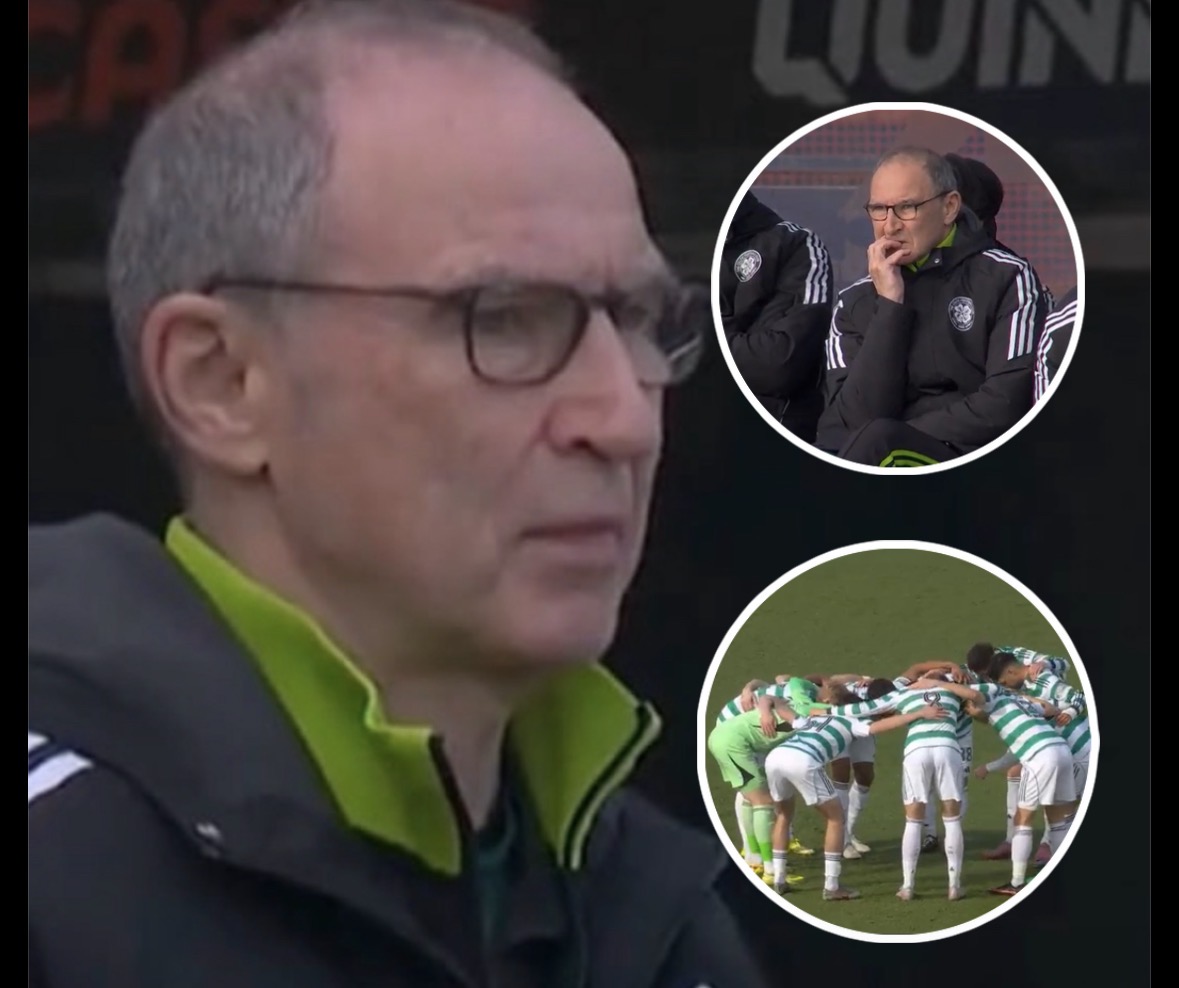
Celtic Rocked by Shock Departure Just Hours After Dundee Victory as Internal Turmoil Deepens
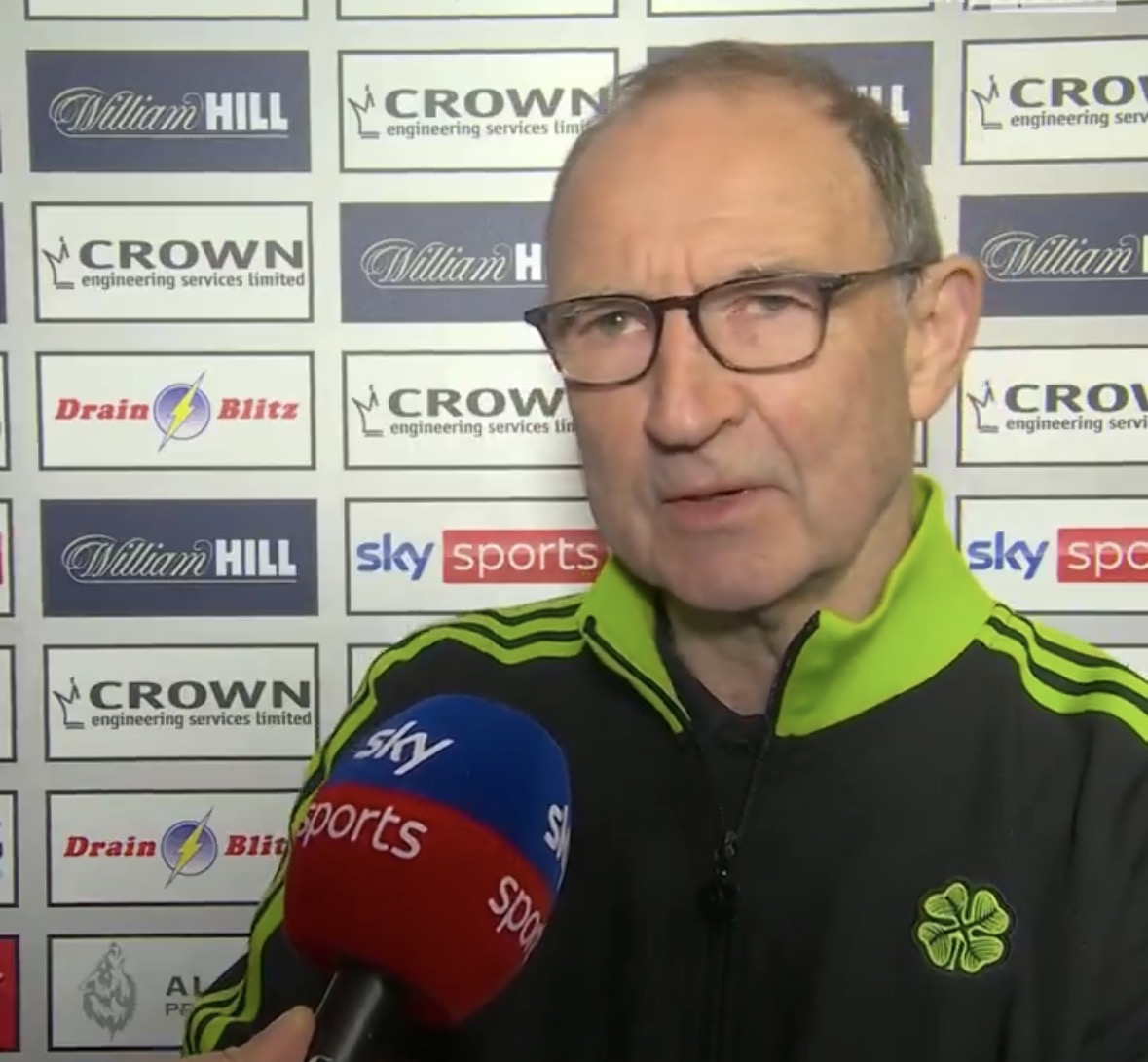
Celtic F.C. should have been celebrating.
A hard-fought win over Dundee F.C. had just reignited their title ambitions, lifting spirits around the club and giving fans renewed belief in what has been an inconsistent season. Late drama, decisive substitutions, and sheer resilience defined the performance — the kind of result that usually brings stability and unity.
Instead, less than 15 hours later, the club was plunged into confusion.
News broke of a major internal departure involving key investors, sending shockwaves through supporters, pundits, and even figures within the Scottish football ecosystem. No official explanation. No detailed statement. Just silence — and speculation.
And just like that, one of the biggest clubs in Britain found itself at the centre of yet another storm.
Timeline: From Triumph to Turmoil in Less Than a Day
The sequence of events makes the situation even more baffling.

On matchday, Celtic delivered a crucial victory against Dundee, keeping themselves within touching distance in a fiercely contested Scottish Premiership race. The win was not just important — it was essential.
Reports confirm the victory significantly boosted their standing, cutting the gap at the top and keeping pressure on rivals like Hearts and Rangers.
There was momentum.
There was belief.
There was hope.
But within hours, that narrative flipped completely.
Behind closed doors, discussions were already unfolding. Conversations at boardroom level, involving financial stakeholders and long-term planning, were reportedly intensifying. Then came the bombshell:
Some investors had departed. Quietly. Abruptly. Without explanation.
No build-up. No leaks. No warning signs for fans.
Just a sudden shift that raised more questions than answers.
The Bigger Picture: A Club No Stranger to Boardroom Drama
To understand why this moment feels so significant, you have to look at the broader context surrounding Celtic.
This is not a club operating in calm waters.
Recent months have been marked by:
- Managerial instability
- Fan unrest
- Boardroom tensions
- Questions over financial direction
The departure of key figures — even without naming them — fits into a pattern that has been developing for some time.
For instance, previous reports highlighted serious disagreements at executive level, including tensions between leadership figures and coaching staff.
There have also been high-profile exits in leadership roles, including board-level resignations during a turbulent period filled with fan protests and internal disagreements.
Even historically, Celtic’s ownership structure has always been sensitive to investor movements, with shifts in shareholding often influencing the club’s long-term direction.
So while this latest departure feels sudden, it may not be entirely unexpected.
Why This Departure Feels Different
What makes this situation truly alarming is the timing and lack of transparency.
Clubs typically manage investor exits carefully:
- Announcements are structured
- Messaging is controlled
- Reassurances are provided
None of that has happened here.
Instead:
- The news emerged almost immediately after a match
- There has been no detailed explanation
- Fans have been left completely in the dark
That combination creates uncertainty — and in football, uncertainty spreads quickly.
Financial Implications: What Does This Mean for Celtic?
Investor departures are not just symbolic — they can have real consequences.
At a club like Celtic, financial backing influences:
- Transfer budgets
- Wage structures
- Infrastructure projects
- Long-term planning
If investors are pulling out, it raises critical questions:
- Is there disagreement over spending?
- Are there concerns about the club’s direction?
- Is there instability behind the scenes?
Historically, Celtic has relied on strong financial stewardship to remain competitive, especially in European competitions. Losing investor confidence could disrupt that balance.
On-Pitch vs Off-Pitch: A Growing Disconnect
What makes this situation even more complex is the contrast between performances on the pitch and developments off it.
On the field:
- The team is fighting
- Results are improving
- The title race is still alive
Off the field:
- Leadership instability persists
- Strategic direction appears unclear
- Key figures are walking away
That disconnect can be dangerous.
Because sooner or later, off-pitch instability always impacts performance.
Fan Reaction: Confusion, Anger, and Fear
Among supporters, the reaction has been immediate — and intense.
Across social media and fan forums, the mood can be summed up in three words:
“What is happening?”
Many fans are asking:
- Why now?
- Why so suddenly?
- Why no explanation?
Others are expressing deeper concerns:
- Is the club financially stable?
- Are bigger problems being hidden?
- Could this lead to further departures?
For a fanbase that has already endured a turbulent season, this latest development feels like another blow.
The Nigerian Perspective: Why This Matters Globally
Celtic’s reach extends far beyond Scotland.
In countries like Nigeria, the club enjoys a loyal following, particularly due to its history of African players and global fan engagement.
For Nigerian fans:
- Stability matters
- Visibility in European competitions matters
- The club’s global reputation matters
Any sign of internal crisis raises concerns about:
- Future signings
- Squad competitiveness
- Long-term success
In an era where African players are increasingly influential in European football, uncertainty at a club like Celtic is felt far beyond Glasgow.
Possible Reasons Behind the Departure (Without Confirmation)
While no official reason has been given, several possibilities are being discussed:
1.
Strategic Disagreements
Investors may have disagreed with the club’s direction — particularly around spending, recruitment, or leadership.
2.
Financial Concerns
Failure to qualify for key competitions or inconsistent performances can impact revenue and investor confidence.
3.
Boardroom Tensions
Previous reports suggest internal disagreements have been ongoing — this could be another consequence.
4.
Long-Term Exit Plans
Some investors may have already been planning to exit, with this simply being the moment they chose.
At this stage, all of these remain speculation.
What Happens Next?
The coming days will be crucial.
Celtic must:
- Address the situation publicly
- Reassure fans and stakeholders
- Clarify their financial and strategic direction
Failure to do so could:
- Increase uncertainty
- Trigger further exits
- Impact performances on the pitch
Transparency is now essential.
The Dressing Room Factor
Players are rarely immune to off-field drama.
Even if they are not directly involved, they feel the effects:
- Media attention increases
- Questions arise about stability
- Focus can shift away from football
For a team already battling inconsistency, this distraction could not come at a worse time.
A Familiar Story in Modern Football
Celtic’s situation is not unique.
Across Europe, clubs have faced similar issues:
- Investor disputes
- Ownership changes
- Financial restructuring
But what separates stable clubs from struggling ones is how they respond.
This is Celtic’s test.
Conclusion: A Club at a Crossroads
Just hours after a vital victory, Celtic find themselves facing a very different challenge.
Not on the pitch.
But behind the scenes.
A quiet, unexplained investor departure has exposed deeper uncertainties within the club — uncertainties that can no longer be ignored.
The win over Dundee showed fight.
But this situation demands something else entirely:
Leadership. Clarity. Stability.
Because right now, fans aren’t celebrating.
They’re asking questions.
And until those questions are answered, the feeling around Celtic will remain the same:
Confusion… concern… and a growing sense that something isn’t right.





Post Comment