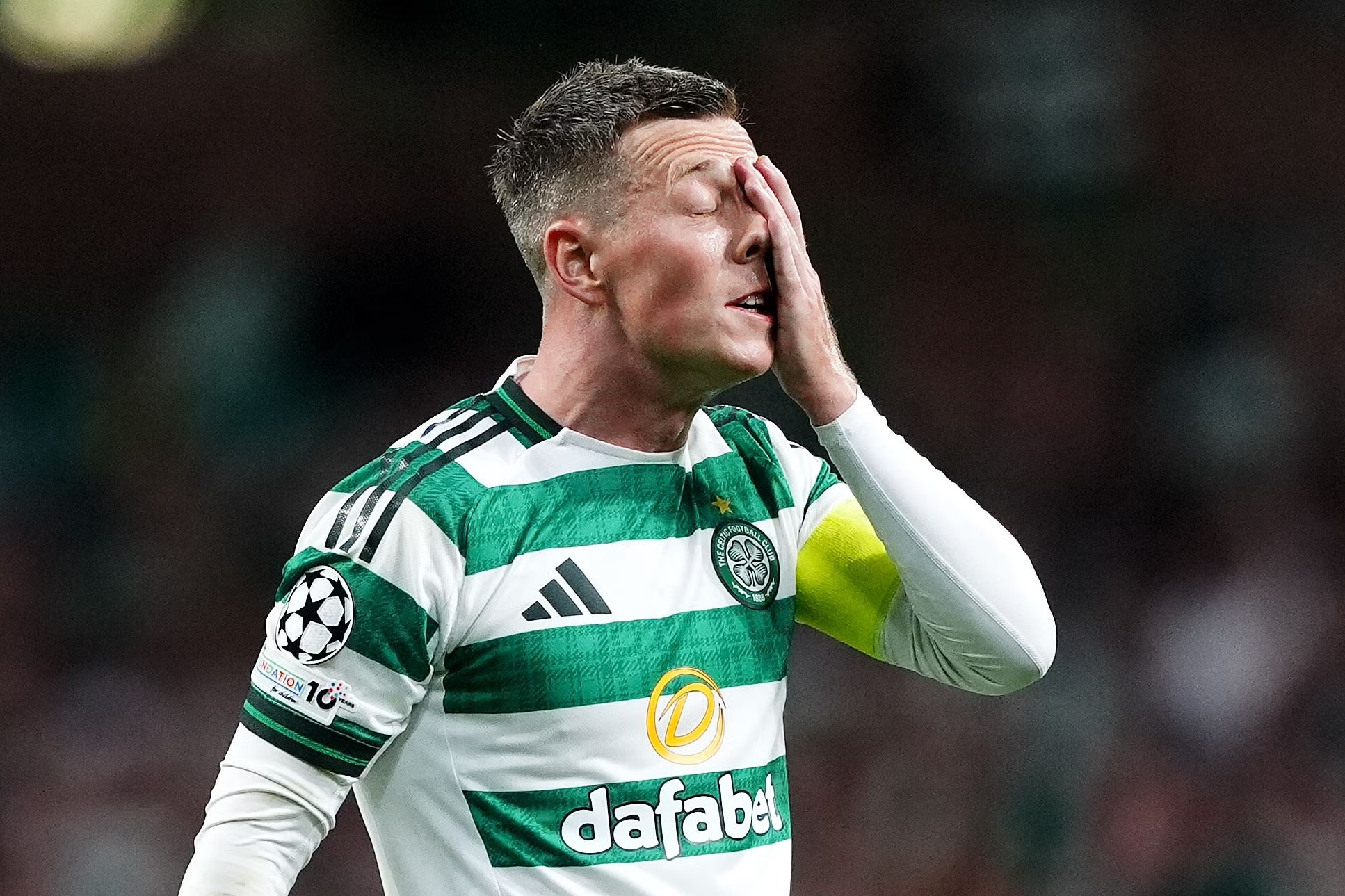
Celtic Captain Callum McGregor Booed by Supporters During Every Touch in Vital Win — McGregor Breaks Silence After Match
In a stunning and rare scene at Dens Park, supporters of **Celtic witnessed a surprising turn of events as club captain Callum McGregor was loudly booed every time he touched the ball during his team’s 2‑1 victory over Dundee in the Scottish Premiership on Sunday. The reaction — witnessed by supporters and neutrals alike — ignited debate across Scottish football and left many wondering how a player of McGregor’s stature could face such treatment from his own fanbase.
The result itself was crucial. With Celtic currently embroiled in another tight title race, McGregor’s late contribution — and his leadership through challenging moments — helped secure a vital three points. The Hoops eventually ran out 2‑1 winners thanks to a late goal from substitute Kelechi Iheanacho, who fired Celtic to a narrow but dramatic victory that keeps their hopes alive with six games remaining in the Premiership campaign.
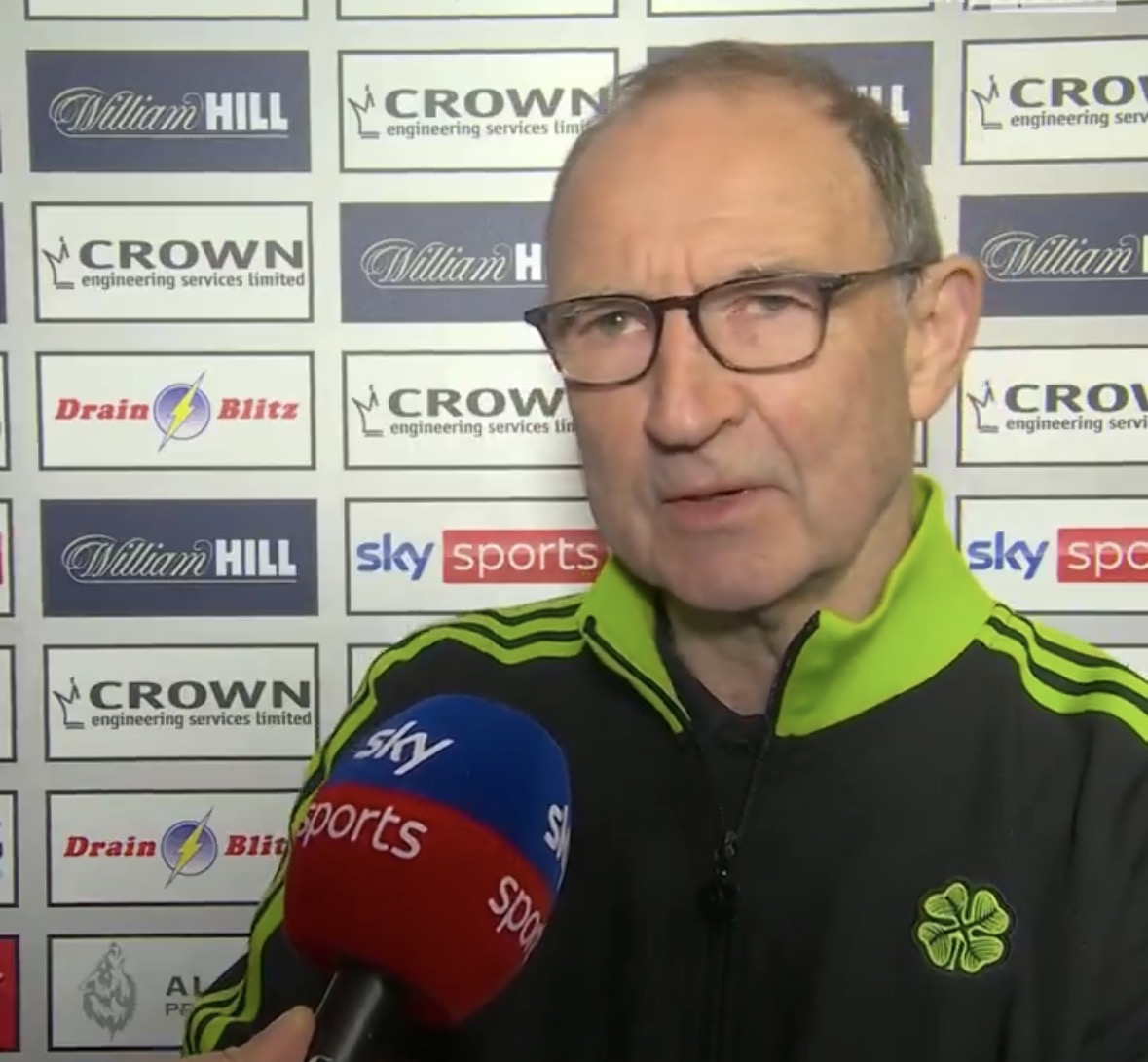
Yet the narrative of the day was not only about points earned — it centered on McGregor’s on‑field experience, where a significant portion of the visiting support repeatedly vented their frustration at him. This moment has quickly become one of the most talked‑about fan‑player confrontations in recent Celtic history. In the hours that followed, McGregor chose to address the situation directly with the media, offering his perspective on the backlash heard at Dens Park.
A Captain Under Fire in Quiet Conditions
Despite Celtic’s hard‑fought win — a match that saw them dominate possession but also weather pressure after going behind early in the second half — supporters made their feelings clear as McGregor dictated play from midfield. Every touch from the captain was met with boos in a stadium noted for its passionate and historically loyal support.
This reaction is notable given McGregor’s status at the club: a graduate of the club’s youth system, a longstanding first‑team figure, and one of the most decorated players in Celtic’s recent history. McGregor, 32, has spent the entirety of his professional club career at Celtic (aside from a loan season at Notts County early in his career), has won numerous domestic honours — including ten Scottish Premiership titles — and succeeded club legend Scott Brown as captain in 2021.
For many decades, captains have been regarded as both tactical leaders and symbolic faces of their clubs. McGregor’s longevity and service have, until now, largely shielded him from sustained criticism from Celtic’s own support. That made the spectacle of boos on every touch even more striking — and puzzling — for observers.
McGregor’s Post‑Match Statement: Calm, Accountable, and Unifying
After the final whistle, McGregor held his head high as he addressed the press — and crucially, the supporters watching around the world. In his statement, he acknowledged the reaction from the fans but refused to be drawn into confrontation.
McGregor stressed that the response from supporters was a reflection of expectation rather than disrespect. He emphasised his deep connection to the club and his desire to see unity during a challenging period. While suggestions of his future at the club or public infighting were not mentioned directly, McGregor’s tone was one of accountability and resilience rather than frustration.
Although fans have aired grievances about aspects of the squad’s performances and the club’s strategic direction — concerns that extend beyond McGregor himself — the captain maintained that on the pitch, everyone must work together. He highlighted that despite boos being part of the emotional atmosphere of football, the priority remains team cohesion and results.
His message, aimed at supporters and teammates alike, emphasised unity and a collective focus on winning games rather than dwelling on any single performance or moment of fan displeasure.
Why Was McGregor Booed? Unpacking the Fan Sentiment
To understand why a figure like McGregor — so deeply woven into Celtic’s fabric — would be booed by supporters, it’s critical to explore wider frustrations among the fanbase.
1. Growing Fan Discontent with Performances
A significant portion of Celtic supporters have voiced criticism of the team’s recent performances, both domestically and in Europe. Many feel that despite Celtic’s historical dominance, the side has appeared inconsistent and sometimes tactically conservative in key matches.
This discontent has spilled over from broader results into individual performances. Some supporters have begun to question whether McGregor’s influence on the game — especially in midfield — has diminished in recent seasons. A few fan comments suggest that some see his play as less impactful or too cautious, particularly when the team is under pressure.
2. Broader Frustration with Club Direction
Beyond individual performances, there is disquiet among the fanbase about Celtic’s strategic direction under the current board and leadership. This tension has boiled over in other matches too, with supporters protesting against the club’s board in recent fixtures — including Europa League matches where fans booed their own goalkeeper and protested heavily at half‑time before a defeat.
That context matters. The boos aimed at McGregor at Dens Park cannot be viewed in isolation — they are symptomatic of deeper anxieties about ambition, recruitment, and the hunger for consistent European competitiveness.
3. Vocal Fan Platforms and Social Media Pressure
In today’s football world, fan opinion is amplified like never before. Messages across online platforms — where fans critique tactics, player commitment, and squad balance — contribute to a more charged atmosphere. This digital environment has led to fans sometimes making their dissatisfaction heard more openly, especially in moments of frustration.
While the boos at Dens Park were not a coordinated protest movement, they do reflect shifting fault lines within the support — between traditional loyalty and modern performance‑driven expectations.
The Fan Base at a Crossroads
Celtic supporters have long been celebrated for their loyalty and deep emotional connection to the club. Across decades, the Green Brigade and other fan groups have created iconic atmospheres and rallying chants that celebrate unity and passion.
Yet in recent seasons, especially after disappointing European campaigns and mixed domestic form, some voices in the support have adopted a more critical edge — not just towards the board, but towards established players as well.
This is not without precedent in football, but with Celtic’s culture of continuity and home‑grown leadership, the level of audible displeasure directed at McGregor was unusual. It exposed a dividing line within the terraces: those who believe in loyalty and patience during transitional phases, and those who demand immediate performance and results.
Importantly, while a vocal minority booed McGregor, there remains a large swathe of the Celtic support that upholds him as a club legend and irreplaceable captain. The challenge for Celtic now is reconciling these competing instincts among the fanbase — passion and loyalty on the one hand, and performance‑based accountability on the other.
Tactical and On‑Field Analysis of the Dundee Match
Beyond the emotional and fan reaction, it’s instructive to look at how McGregor actually performed in the game.
Celtic controlled large portions of the match and were patient in their build‑up play. McGregor’s role as a deep‑lying midfielder saw him frequently involved in possession, attempting to link defence and attack. Yet his style — characterised by short passing and control rather than aggressive forward surges — drew criticism from fans yearning for more attacking impetus in key phases of the game.
The boos during his touches perhaps reflect a larger frustration with Celtic’s inability to find consistent rhythm or urgency in attacking transitions — a critique that goes beyond McGregor himself but was symbolically directed at the team’s leader on the pitch.
These tactical debates — about whether Celtic needs more dynamic midfield runners, more creative options, or better game tempo — are now part of the conversation surrounding the club’s title push.
What Happens Next? Implications for McGregor and Celtic
Looking forward, both McGregor and Celtic face a critical juncture:
1. Leadership and Unity
McGregor’s statement served as a unifying call rather than an ultimatum. As captain, he must now navigate internal team dynamics and external pressures from supporters. His role as intermediary between the squad and the fanbase will be more important than ever.
2. Maintain Performances or Risk Overreaction
If Celtic can string together strong performances in the coming weeks, especially in crucial league matches, the controversy around last Sunday will quickly fade. Football fans are results‑driven, and success on the pitch often heals rifts in support.
3. Board and Strategic Decisions Matter Too
Beyond the pitch, Celtic’s board and leadership must respond to supporter concerns about ambition and competitiveness. Fans’ frustrations extend beyond McGregor — and addressing structural issues may be essential for lasting harmony.
Conclusion: A Moment of Passion, Not Betrayal
The image of Callum McGregor being booed every time he touched the ball will linger in Scottish football discourse — not because it signified betrayal, but because it highlighted the intensity of modern football fandom.
McGregor’s legacy at Celtic is secure. Few captains have served the club with as much longevity, consistency, and success. Yet this moment illustrates a growing impatience among supporters — a desire for both domestic dominance and European competitiveness that feels urgent in today’s game.
In responding with composure and a message of unity, McGregor perhaps reinforced his role as a leader who can absorb pressure as well as any opposition challenge. Whether Celtic can convert this moment into renewed focus and determination remains to be seen, but one thing is clear: this chapter has become part of the broader narrative of McGregor’s enduring connection with the club he has always represented — for better and, on this particular Sunday, through a distinctly passionate expression of fan emotion.


Post Comment