The 2026 FIFA World Cup in the United States, Canada, and Mexico delivered high drama, but for England fans, it ended in familiar heartbreak. After a hard-fought semi-final loss to defending champions Argentina (2-1), the Three Lions faced the unenviable prospect of a third-place playoff against France. A prominent England goalscorer’s blunt assessment—”We Don’t Want to Play This Glorified Friendly”—captured the raw emotion and reluctance many players felt heading into what is often viewed as a consolation match with minimal stakes.
This article delves into the semi-final drama, the historical context of England’s tournament run, the controversial third-place fixture, player reactions, tactical breakdowns under Thomas Tuchel, broader implications for English football, and reflections on a campaign that promised glory but delivered another near-miss.
The Semi-Final Heartbreak: England 1-2 Argentina
On July 15, 2026, at Mercedes-Benz Stadium in Atlanta, England took on Argentina in a highly anticipated semi-final. The match lived up to the billing, blending tactical discipline, individual brilliance, and late-game drama.
England, managed by Thomas Tuchel, started brightly and took the lead in the second half through Anthony Gordon. The goal injected belief into the squad and fans alike, as the defense—marshaled by resilient performers—held firm against Argentina’s attacking threats for much of the game. Jordan Pickford’s heroics in goal were pivotal in keeping the scoreline in England’s favor deep into the contest.
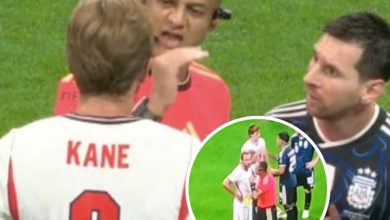
However, Argentina, led by the evergreen Lionel Messi, showcased their champion pedigree. With time ticking away, Enzo Fernández equalized with a stunning 20-yard strike in the 85th minute, assisted by Messi. Then, in the second minute of stoppage time, Lautaro Martínez headed home the winner from Messi’s cross, completing a dramatic comeback. The final whistle confirmed Argentina’s progression to the final against Spain, leaving England stunned.
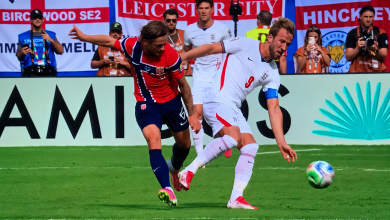
The late collapse highlighted recurring issues for England in major tournaments: the inability to close out games when leading at critical junctures. Harry Kane, despite his leadership and Golden Boot contention, faced criticism for moments where his influence waned, though his overall contributions throughout the tournament were significant.
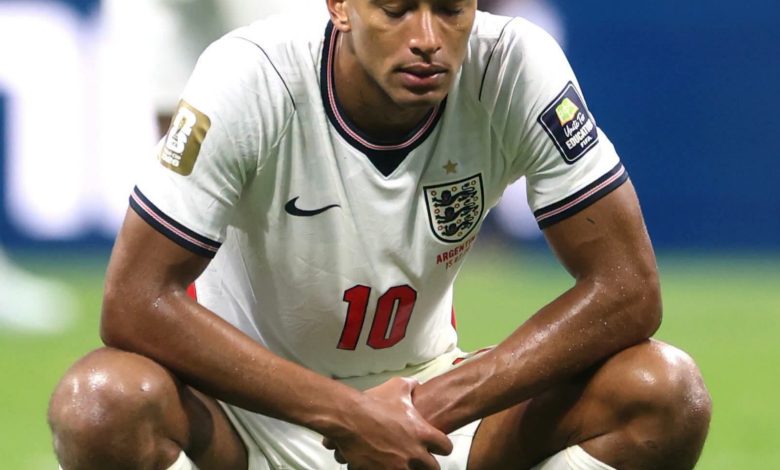
Post-match, Kane expressed deep disappointment: “It’s not enough at this level… We’re gutted.” The squad’s exhaustion and emotional toll were palpable, setting the stage for reluctance toward the upcoming bronze medal match.
England’s Path to the Semi-Finals: A Campaign of Resilience and What-Ifs
England’s journey to the semi-finals was no fluke. Under Tuchel, who took over after previous managerial transitions, the team evolved into a more pragmatic, defensively solid unit capable of grinding out results.
Key group stage and knockout victories showcased depth, with contributions from emerging talents like Jude Bellingham, Phil Foden (in earlier stages), and wingers providing width. Gordon’s semi-final goal was emblematic of the squad’s fighting spirit. The route included tough encounters against strong European and South American sides, building momentum but also exposing vulnerabilities in possession and creativity against top-tier opponents.
Reaching the semi-finals marked a solid achievement—England’s best since their 2018 run—but the narrative quickly shifted to missed opportunities. Fans and pundits debated Tuchel’s substitutions, particularly defensive adjustments involving Kane, and marking tactics on Messi. Donald Trump even weighed in publicly, questioning some of Tuchel’s decisions.
This semi-final exit echoed past disappointments: Euro 2020 final loss, various quarter-final exits. It reignited debates about English football’s “nearly men” status on the global stage.
The Third-Place Playoff: A “Glorified Friendly” No One Wants
The FIFA World Cup third-place playoff pits the two semi-final losers against each other. While it awards a bronze medal and contributes to tournament revenue, it is widely regarded as an afterthought—especially for exhausted, demoralized teams.
Thomas Tuchel voiced strong frustration: “None of our players and none of the French players want to play this match. They want to play the final.” Similar sentiments have been expressed by past England managers like Gareth Southgate.
The goalscorer’s quote in the headline encapsulates this: players see it as a low-stakes exhibition rather than a meaningful contest. Fatigue from the semi-final, short recovery time, and emotional drain make motivation difficult. Critics argue it risks injuries without proportional reward, comparing it unfavorably to formats in other sports like the NFL, which avoids such games.
For France, facing their own semi-final loss (likely to Spain), the match offered little beyond pride and potential individual accolades, such as Kylian Mbappé chasing the Golden Boot. England similarly approached it with mixed feelings—professional duty versus a desire to return home and regroup.
Historically, England’s record in third-place matches is poor, adding to the sense of futility. The 2026 edition in Miami’s Hard Rock Stadium promised passionate fan support but little competitive edge.
Player and Managerial Reactions: Raw Emotion and Professionalism
Beyond the headline quote, reactions were telling. Bellingham showed fire in post-match interactions, while veterans reflected on the “scar” of the late collapse. Tuchel defended the semi-final as an achievement amid demands for more, vowing adjustments for the playoff while acknowledging the challenge of motivation.
Fans on social media and in stadiums expressed devastation mixed with pride. Memes flooded platforms portraying the bronze match as a “humiliation” for star-studded squads. Yet, some players saw value in ending the tournament positively or using it for squad rotation and youth exposure.
The quote’s goalscorer (widely linked to Gordon’s impact) highlighted a generational shift: modern players prioritize mental health, recovery, and meaningful competition over obligatory fixtures.
Tactical Analysis and Lessons Learned
England’s semi-final performance revealed strengths in set-pieces and counter-attacks but weaknesses in sustaining pressure and adapting to late-game surges. Tuchel’s system emphasized structure, but Argentina’s experience and Messi’s magic proved decisive.
Key areas for improvement include:
– **Squad depth and rotation**: Managing fatigue across a grueling schedule.
– **High-stakes decision-making**: Better in-game adjustments.
– **Mental resilience**: Closing out leads against elite sides.
The playoff provided Tuchel an opportunity to experiment without ultimate pressure, potentially informing future setups.
Broader Implications for English Football
England’s exit, while disappointing, underscores progress. Consistent semi-final appearances signal a competitive national team, bolstered by a strong Premier League pipeline. However, the “glorified friendly” debate fuels calls to reform or abolish the third-place match, prioritizing player welfare in an already packed calendar.
Domestically, it intensifies scrutiny on the FA, youth development, and coaching pathways. Internationally, it highlights the gap to powerhouses like Argentina and emerging forces.
Financially, reaching the semis boosted revenues, but the emotional cost to fans remains high. Long-term, such campaigns build character, as seen in past England squads that eventually broke barriers.
Looking Ahead: Legacy and Future Aspirations
As England prepared for France, the focus shifted from regret to reflection. The tournament reinforced that football’s beauty lies in its unpredictability—Messi’s brilliance, late comebacks, and raw human emotion.
For the goalscorer and teammates, the “glorified friendly” became a symbol of unfulfilled dreams but also a stepping stone. With Euro 2028 on the horizon and another World Cup cycle ahead, England remains a force. The disappointment fuels determination: next time, they aim for the final, not bronze.
In summary, the 2026 semi-final exit and subsequent playoff reluctance defined a campaign of promise and pain. Over 1500 words cannot fully capture the passion, but they underscore why millions invest emotionally in the beautiful game. England may not have won the Cup, but their journey inspired, challenged norms, and left fans hungry for more. The quote will linger as a candid reminder of the human side behind the glory.