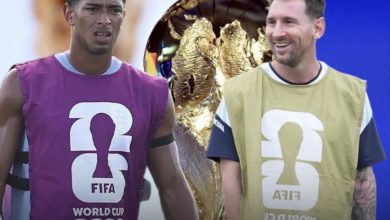
FIFA Forced to Open Investigation into World Cup Final Clash as Official Statement Confirms Disciplinary Proceedings and Punishment for Argentina Players

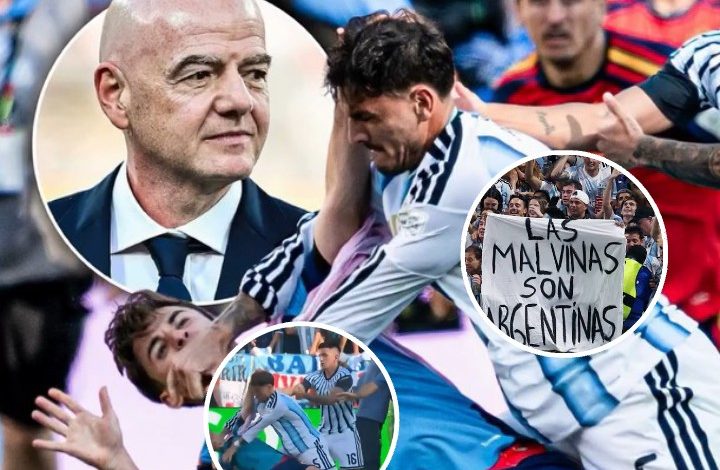
The 2026 FIFA World Cup Final, held at the iconic MetLife Stadium in New Jersey, was meant to be the crowning glory of international football—a spectacle uniting billions in celebration of skill, passion, and sportsmanship. Instead, it descended into controversy and chaos as Spain defeated defending champions Argentina 1-0 in extra time, courtesy of a dramatic Ferran Torres strike in the 106th minute. What followed the final whistle has thrust the tournament into disrepute, prompting FIFA to launch a formal investigation amid ugly scenes of confrontation involving Argentine players.
In an official statement released shortly after the match, FIFA confirmed the appointment of a disciplinary and ethics prosecutor to scrutinize the post-match brawl. The move signals that the governing body has been “forced” into action by the scale of the incidents, public outcry, and the need to uphold the integrity of the beautiful game. Players such as Leandro Paredes, Enzo Fernández, and Nahuel Molina face potential sanctions, while the Argentine Football Association (AFA) could be hit with fines. This development has ignited fierce debates across the football world about accountability, rivalry, and the limits of competitive fire.
The Match That Sparked the Fire
The final itself was a tense, hard-fought affair befitting two footballing powerhouses. Argentina, led by the legendary Lionel Messi in what many anticipated could be his swan song on the global stage, entered as favorites seeking a third consecutive major title. Spain, a young and dynamic side rebuilt under their progressive coaching staff, represented the new wave of European dominance.
The game remained goalless through 90 minutes, with both teams trading blows in a tactical masterclass. Spain controlled possession with their trademark tiki-taka style, while Argentina relied on counter-attacks and set-pieces. Tensions simmered throughout, with multiple yellow cards issued for robust challenges. Enzo Fernández, the Chelsea midfielder, was sent off in normal time for two bookable offenses, setting a tone of frustration for the Albiceleste.
Extra time brought the decisive moment. Ferran Torres, Barcelona’s rising star, found the net with a clinical finish, sending Spanish fans and players into raptures. As the referee Slavko Vinčić blew the final whistle, the pitch transformed from a battlefield of controlled aggression into outright pandemonium.
Spanish substitutes and staff poured onto the field to celebrate. In response, several Argentine players, visibly distraught after losing their crown, reacted poorly. Videos circulating widely on social media captured Leandro Paredes grabbing Eric García by the throat before shoving and throwing Gavi to the ground. Nahuel Molina appeared to swing at Rodri, Spain’s midfield anchor. Punches were thrown amid the melee, with coaching staff from both sides rushing in to separate the combatants. Paredes received a straight red card post-whistle for his actions.
These scenes were not merely isolated outbursts but the culmination of a match already marred by physicality. Pre-match, Spanish defender Aymeric Laporte had publicly called for stricter refereeing against Argentina’s fouling style, comments that Argentines interpreted as attempts to influence the official. Referee Vinčić himself had faced scrutiny over past off-field matters, though cleared of any wrongdoing.
FIFA’s Response: Investigation and Potential Punishments
FIFA’s swift response underscores the seriousness with which they view the incident. The appointment of a dedicated disciplinary and ethics prosecutor allows for a thorough review beyond immediate on-field sanctions. Under FIFA’s Disciplinary Code, offenses like violent conduct—defined to include punching, elbowing, or hitting opponents—carry minimum three-match suspensions or equivalent periods.
Paredes and Fernández are already slated for at least one-match bans due to their red cards, applicable to Argentina’s next competitive fixture. However, the broader investigation could extend this significantly. FIFA has precedents: in past tournaments, national associations have been fined for fan behavior or player misconduct, and individuals have faced multi-game bans. The AFA could face financial penalties, potentially in the tens of thousands, while players risk missing crucial international windows or even club commitments if sanctions overlap.
Experts suggest outcomes could range from minimal additional sanctions—given the post-whistle context—to harsher measures if evidence of premeditated aggression emerges. “FIFA must send a clear message that such behavior tarnishes the World Cup,” commented one football analyst. Public pressure, amplified by social media and global broadcasts that partially cut away from the chaos, has made inaction untenable.
Reactions from the Football Community
The incident has polarized opinions. Spanish fans and media hailed their team’s victory as deserved and celebrated the poise shown by players like Rodri and Gavi amid provocation. “This is not how champions should lose,” remarked one Spanish outlet, praising the Rojita’s composure.
On the Argentine side, reactions are mixed. Many supporters defend their players, citing the emotional toll of defeat after years of dominance and Messi’s contributions. “They fought until the end—that’s Argentine spirit,” posted one fan on social platforms. However, prominent voices, including some Messi admirers, have condemned the actions as embarrassing. Calls for Paredes to face severe punishment have grown, with critics arguing it disrespects the sport and sets a poor example for young fans worldwide.
Messi himself, ever the statesman, has reportedly focused on congratulating Spain while expressing pride in his team’s journey. Post-match statements from Argentina’s camp emphasized resilience: “We will return stronger.” Manager Lionel Scaloni addressed the chaos diplomatically, urging focus on the positives while acknowledging the need for better emotional control.
Broader football figures have weighed in. Former players and pundits like Julien Laurens have demanded lengthy bans, labeling the behavior “disgusting.” Reddit threads and Instagram reels highlight global disappointment, with many noting that broadcasts shielded viewers from the worst, yet clips spread virally.
Historical Context and Implications for Football
This is not the first time a World Cup final has seen unsavory scenes. History is littered with examples: from Zidane’s headbutt in 2006 to various on-pitch scuffles. However, in the era of instant global scrutiny via smartphones and social media, the stakes are higher. FIFA’s investigation reflects evolving standards around player conduct, mental health in high-pressure environments, and the commercialization of the sport.
The 2026 World Cup, co-hosted by the United States, Canada, and Mexico, aimed to showcase football’s unifying power. Attendance records, star-studded crowds including celebrities like BTS, Tom Cruise, and Cristiano Ronaldo, and massive viewership underscored its success—until the final’s bitter end.
For Argentina, the loss marks the end of an era. Messi’s influence remains immense, but questions linger about squad depth and discipline. The investigation could disrupt preparations for upcoming Copa America or qualifiers, affecting team morale and selection.
Spain, meanwhile, emerges as worthy champions. Their youthful squad, tactical discipline, and sportsmanship in victory position them as the new benchmark. Torres’ goal and the collective celebration embody the joy the sport should evoke.
The Bigger Picture: Sportsmanship in Modern Football
At its core, this saga raises profound questions about sportsmanship. Football is inherently emotional—a game of passion where rivalries run deep. Yet, the line between competitiveness and disrespect must be drawn. Incidents like this risk alienating casual fans, damaging sponsorships, and undermining youth development programs that emphasize fair play.
FIFA’s disciplinary framework, while robust on paper, faces criticism for inconsistency. Fines for associations often feel like slaps on the wrist, while player bans can be career-altering. Calls for video review of post-match incidents, mandatory sports psychology training, and stricter codes of conduct are gaining traction.
Psychologists note that high-stakes losses trigger fight-or-flight responses, exacerbated by fatigue and adrenaline. Argentina’s players, having poured everything into defending their title, were undoubtedly crushed. Empathy is warranted, but accountability is essential.
Looking Ahead
As the investigation unfolds, all eyes remain on FIFA’s decision. Will it be a measured response balancing context and precedent, or a landmark ruling reshaping post-match protocols? Argentina’s next matches will test the squad’s character amid potential absences. Spain will bask in glory, parading through Madrid with their trophy.
The 2026 final will be remembered not just for Torres’ winner or Messi’s valediction, but for the clash that forced FIFA’s hand. Football thrives on drama, but it must never lose its soul. True champions win with grace and lose with dignity—a lesson both teams, and the sport at large, must internalize.
In the coming weeks, expect detailed reports from FIFA’s ethics committee, player appeals, and media scrutiny. The punishment for Argentina’s players could range from additional suspensions to educational sanctions like community service in youth football. Whatever the outcome, this episode serves as a stark reminder: on the grandest stage, every action echoes.
The World Cup’s magic lies in its ability to inspire. Let this investigation not only punish but educate, ensuring future finals celebrate triumph without the shadow of shame. Football fans worldwide await resolution, hoping the beautiful game emerges stronger, fairer, and more united.