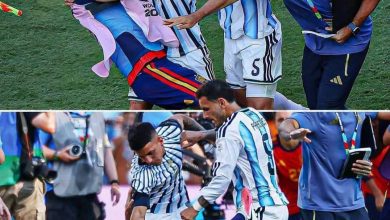
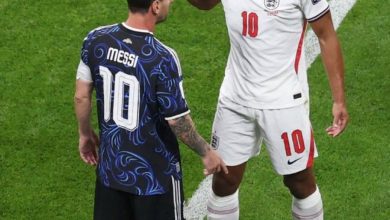
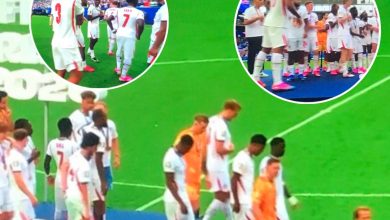
The punishment Argentina could now face after World Cup final chaos prompts FIFA investigation

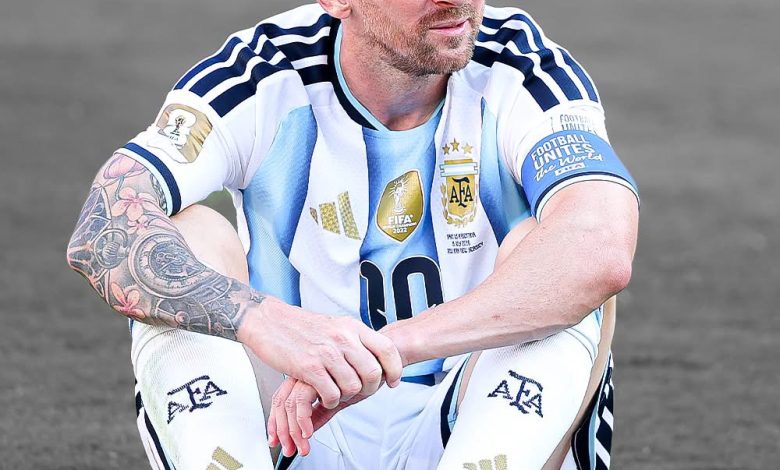
Argentina’s dramatic World Cup final ended in heartbreak on the pitch, but the aftermath may prove just as significant.
While the result itself crowned a new world champion, the scenes that unfolded after the final whistle have now shifted global attention away from football and toward potential disciplinary action.
FIFA has officially opened an investigation into the incidents that occurred following the World Cup final, placing the Argentine Football Association (AFA), players, and team officials under scrutiny. Although the governing body has yet to announce any sanctions, the disciplinary process could result in substantial penalties depending on the findings of its investigation.
From player conduct and confrontations to crowd-related incidents and breaches of FIFA’s disciplinary regulations, Argentina now faces an anxious wait as football’s governing body determines whether rules were broken—and what consequences should follow.
Why FIFA Has Launched an Investigation
FIFA routinely investigates incidents that threaten the integrity, safety, or reputation of its competitions. The World Cup final represents the organization’s biggest global showcase, meaning any post-match disorder is examined with exceptional care.
Reports indicate that officials are reviewing multiple incidents that allegedly occurred after the final whistle, including confrontations involving players, team officials, and possible violations of FIFA’s code of conduct.
Investigators are expected to analyze:
* Match officials’ reports.
* Video footage from broadcasters and stadium cameras.
* Security reports.
* Evidence submitted by both national associations.
* Statements from players and officials where necessary.
Only after reviewing all available evidence will FIFA’s Disciplinary Committee determine whether any rules were breached.
What Rules Could Have Been Violated?
FIFA’s Disciplinary Code covers a broad range of misconduct that extends beyond actions during the match itself.
Potential violations may include:
Unsporting Conduct
Players and officials are expected to behave respectfully toward opponents, referees, FIFA representatives, and spectators.
Aggressive celebrations, inflammatory gestures, verbal abuse, or confrontational behaviour could all be considered when assessing disciplinary responsibility.
Offensive or Provocative Behaviour
Any actions viewed as insulting, discriminatory, or provocative may attract sanctions.
FIFA has increasingly emphasized protecting the image of the sport and ensuring players conduct themselves professionally, particularly during global tournaments.
Failure to Maintain Order
National associations can also be held responsible for the behaviour of their players, coaching staff, officials, and supporters.
Even if misconduct is committed by individuals, FIFA may determine that the federation bears responsibility for failing to control events surrounding the team.
What Punishments Could Argentina Face?
If FIFA concludes that disciplinary violations occurred, several sanctions are available under its regulations.
Financial Fines
The most common punishment is a financial penalty.
Depending on the severity of the offences, FIFA could impose significant fines on the Argentine Football Association.
These fines vary widely and are influenced by:
* Nature of the misconduct.
* Number of incidents.
* Previous disciplinary history.
* Level of cooperation during the investigation.
Match Suspensions
Individual players found guilty of misconduct could receive suspensions that carry over into future FIFA competitions.
A suspension could apply to:
* FIFA World Cup qualifiers.
* International friendlies.
* Confederation tournaments where FIFA regulations permit.
* Future World Cup matches.
The length of any suspension would depend on the seriousness of the offence.
Touchline Bans
If coaching staff or team officials are found responsible, FIFA may issue technical area bans.
Managers, assistant coaches, or federation officials could be prohibited from participating in matches for a specified period.
Stadium Restrictions
Although less common, FIFA has the authority to order matches to be played behind closed doors or require partial stadium closures in future fixtures if supporter behaviour is found to have contributed significantly to the incidents.
Behavioural Warnings
In cases where misconduct is considered relatively minor, FIFA may issue formal warnings or reprimands instead of harsher sporting sanctions.
Could Argentina Lose Silver Medals?
One question circulating among supporters concerns whether Argentina’s players could lose their runners-up medals.
While FIFA possesses broad disciplinary powers, withdrawing medals from an entire squad is considered an extraordinary measure and has historically been extremely rare.
Such action would typically require exceptionally serious violations involving widespread misconduct rather than isolated incidents.
At this stage, there is no indication that FIFA intends to pursue that level of punishment.
Could Points Be Deducted?
Because the World Cup is a knockout competition, points deductions are generally not applicable.
Instead, sanctions are usually directed toward:
* Individuals.
* National associations.
* Future fixtures.
If players receive suspensions, those bans would affect upcoming international matches rather than altering the completed tournament’s result.
Previous FIFA Disciplinary Cases
FIFA has not hesitated to discipline national teams following major tournaments.
Past sanctions have included:
* Heavy financial penalties.
* Player suspensions.
* Coach suspensions.
* Partial stadium closures.
* Federation warnings.
The governing body generally attempts to ensure punishments are proportionate to the seriousness of the offence while preserving sporting integrity.
Previous investigations demonstrate that every case is judged individually, with decisions based on evidence rather than public reaction.
What Happens During the Investigation?
FIFA’s disciplinary process follows several stages.
Collection of Evidence
Officials gather match reports, television footage, security documentation, and witness statements.
Review by the Disciplinary Committee
Independent members examine whether any articles of the FIFA Disciplinary Code were violated.
Opportunity to Respond
The Argentine Football Association may be invited to submit written observations or explanations before a final ruling is reached.
Decision
The committee determines whether sanctions should be imposed and announces its verdict publicly.
Parties found responsible generally have the right to appeal under FIFA’s established procedures.
Could Individual Players Face Different Punishments?
Yes.
Not every member of the squad would necessarily receive the same punishment.
FIFA frequently distinguishes between:
* Players directly involved in incidents.
* Team officials.
* Coaching staff.
* National associations.
If evidence identifies specific individuals committing disciplinary offences, sanctions may be imposed only on those directly responsible.
Impact on Future Competitions
Should suspensions be handed down, Argentina could begin its next international campaign without key players or members of the coaching staff.
Missing even one or two important figures can significantly affect preparations for World Cup qualifiers, continental competitions, or other FIFA-sanctioned matches.
However, unless FIFA determines that exceptionally serious violations occurred, the team’s participation in future tournaments is not expected to be in jeopardy.
Reputation Also at Stake
Beyond any formal sanctions, investigations can affect a team’s global reputation.
Argentina has long been regarded as one of football’s most successful nations, boasting multiple World Cup triumphs and generations of legendary players.
Any disciplinary action following football’s biggest event inevitably attracts worldwide attention and can overshadow achievements on the field.
For players hoping to move beyond the disappointment of defeat, prolonged investigations may also become an unwelcome distraction during the start of the next international cycle.
Why FIFA Takes These Cases Seriously
World Cup finals are watched by hundreds of millions of fans across every continent.
As football’s global governing body, FIFA places enormous importance on ensuring that players, coaches, officials, and supporters demonstrate respect for the game.
Investigations are designed not only to determine responsibility but also to reinforce standards of behaviour expected at elite international competitions.
Maintaining discipline helps protect referees, opponents, tournament staff, and supporters while preserving the reputation of the World Cup itself.
What Comes Next?
For now, Argentina remains in a holding pattern while FIFA completes its investigation. Until the governing body publishes its findings, any discussion surrounding potential punishments remains speculative.
Possible outcomes range from no further action to financial penalties, player suspensions, official warnings, or sanctions against team officials. The exact decision will depend entirely on the evidence collected and whether FIFA concludes that its disciplinary regulations were breached.
Whatever the final verdict, the investigation ensures that the fallout from the World Cup final is far from over. Instead of celebrating or reflecting solely on events on the pitch, Argentina must now prepare for the possibility that football’s governing body could impose sanctions with implications extending well beyond the tournament itself.