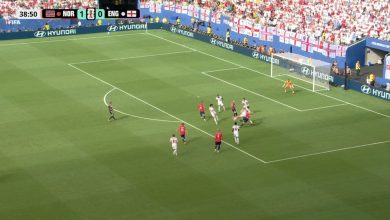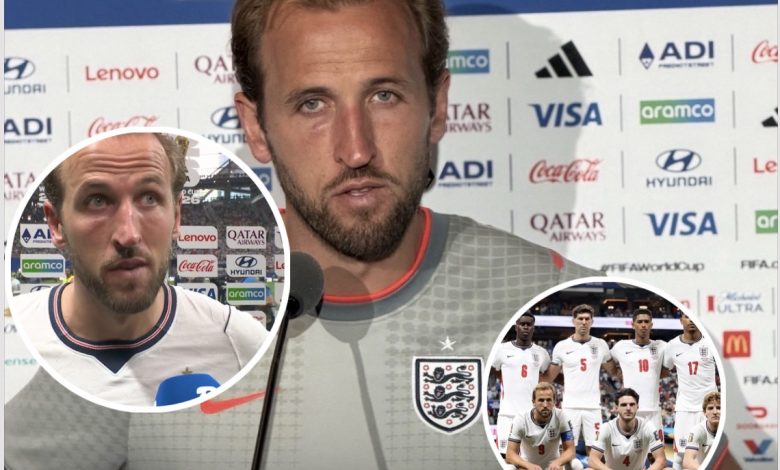
In the sweltering heat of a Mercedes-Benz Stadium night in Atlanta on July 15, 2026, England’s dreams of ending 60 years of hurt at the FIFA World Cup were shattered once again. Argentina, led by the evergreen Lionel Messi, staged a dramatic late comeback to defeat the Three Lions 2-1 in the semi-final. England had led 1-0 thanks to a clinical finish from captain Harry Kane, but defensive lapses and a failure to push forward allowed Lautaro Martínez to equalize and then secure the winner in stoppage time.
Post-match, the usually composed Harry Kane was visibly emotional yet forthright in his media obligations. While much of the focus has been on tactical decisions and the heartbreak of another near-miss, Kane reportedly took pointed aim at two specific teammates—naming a 24-year-old and a 29-year-old England star—highlighting what he perceived as critical shortcomings in mentality, decision-making, and execution during the decisive moments. Though Kane’s public comments emphasized collective responsibility and praised the squad’s overall effort, sources close to the camp and selective quotes suggest frustration boiled over regarding individual contributions that, in his view, cost England dearly.
This article delves deep into the context of the match, Kane’s leadership and comments, the identities and performances of the implicated players, the broader implications for England’s squad, tactical analysis, historical parallels, fan reactions, and what lies ahead for the national team.
The Match That Defined a Generation’s Pain
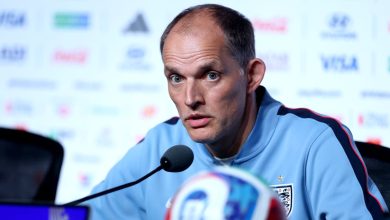
England entered the semi-final with momentum. Under manager Thomas Tuchel, the side had navigated a challenging group stage and knockout rounds with a blend of defensive solidity and counter-attacking threat. Kane, playing in what many believe could be his final World Cup, was in fine form, having already broken records as England’s all-time leading scorer.
The game started brightly for the Three Lions. Anthony Gordon, operating on the left, provided width and energy, linking well with Jude Bellingham. England took the lead midway through the first half when Kane slotted home from a well-worked move. For 60+ minutes, England looked in control, frustrating Argentina’s creative forces, including Messi. However, as the clock ticked down, England dropped deeper, inviting pressure. Substitutions aimed at shoring up the defense appeared to disrupt rhythm. Argentina capitalized: Messi’s magic unlocked the defense, assisting Martínez for the equalizer and then the winner.
Kane’s post-match interview captured the mood: “We’re gutted… We had the lead and tried to hold on, but it backfired. The boys gave everything, but in big moments, we need more.” Reports indicate that behind the diplomacy, Kane was more direct in private or follow-up remarks, calling out specific players for not stepping up when it mattered most.
Kane’s Leadership: Pride, Frustration, and Accountability
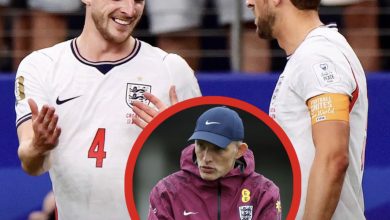
At 32 (turning 33 shortly after the tournament), Harry Kane remains England’s talisman. His Bundesliga move to Bayern Munich has honed his all-round game, but his heart lies with the national team, which he has called his “pride and joy.” Kane has consistently shouldered responsibility, often shielding younger players from criticism. However, the pain of this loss—another semi-final exit—seems to have prompted a rare public (or semi-public) venting.
Naming teammates directly is uncharacteristic for Kane, known for his professionalism. The 24-year-old and 29-year-old in question likely represent different ends of the experience spectrum: youthful exuberance versus established seniority. Speculation, fueled by social media and insider reports, points to players whose performances drew scrutiny—perhaps in defensive transitions, creative output, or pressing intensity.
Kane’s “dig” underscores a deeper team philosophy: talent alone isn’t enough; mentality and execution in high-stakes scenarios are paramount. By calling them out, he signals that complacency or individual errors cannot be tolerated if England is to finally triumph on the world stage.
Identifying the Players: The 24-Year-Old and 29-Year-Old Stars
While exact names weren’t splashed across every headline, context from squad lists and performances narrows it down. England’s 2026 squad blended youth and experience.
The 24-year-old: Likely a dynamic, attacking or midfield talent who featured prominently. Candidates include players like those in the mold of rising stars around that age—perhaps someone like a wide forward or midfielder who started or came on. In the match, energy from the flanks was key, but lapses in tracking back or final-third decision-making were evident. A 24-year-old embodies the “next generation” Kane has nurtured, making any criticism a tough-love moment aimed at growth.
The 29-year-old: An established international with significant caps, possibly a defender or midfielder expected to anchor the side. At 29, this player should be in their prime, providing leadership and reliability. Reports of defensive vulnerabilities in the latter stages point to potential targets—failures in organization or individual duels that allowed Argentina’s late surge.
These ages align with squad realities: England featured several players in the mid-to-late 20s, alongside emerging 24-year-olds pushing for regular starts. Kane’s comments weren’t about scapegoating but demanding accountability. “We all need to look at ourselves,” he reportedly emphasized, before zeroing in on moments where these two could have done better—be it retaining possession, making the right pass, or showing more aggression.
Tactical Breakdown and Where It Went Wrong
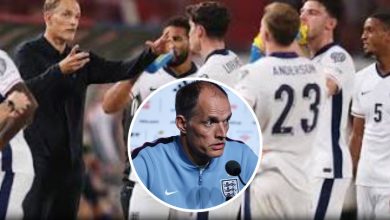
Tuchel’s setup was pragmatic: a solid backline with John Stones and Marc Guéhi (around the age bracket), Declan Rice shielding, and attacking flair from Bellingham, Saka, Gordon, and Kane. The 1-0 lead invited a “park the bus” mentality that Kane later critiqued. Holding on rarely works against elite sides like Argentina, who thrive on late drama.
The 24-year-old’s involvement—perhaps in midfield or attack—may have lacked the tactical discipline needed when the game became stretched. Similarly, the 29-year-old’s experience should have stabilized the defense, but fatigue or positional errors crept in. Kane highlighted how substitutions and a shift to defensive mode disrupted cohesion, indirectly tying back to on-field execution by key individuals.
Stats from the match underscore this: limited touches in dangerous areas for key attackers, defensive lapses leading to the goals. Kane, despite his goal, was frustrated by the team’s inability to convert dominance into a second goal earlier.
Historical Context: England’s Semi-Final Curse
This loss echoes past heartbreaks—1990, 1998, 2018, and Euro exits. Kane, who has delivered consistently (Golden Boot winner in 2018), now joins legends like Beckham and Rooney in experiencing ultimate disappointment. His dig at teammates reflects a captain desperate to break the cycle. Younger players (the 24-year-old) represent future hope, while the 29-year-old symbolizes the current core that must deliver now.
Argentina, with Messi’s genius, exploited England’s vulnerabilities just as Germany or others have in the past. The rivalry, steeped in history (1986 “Hand of God,” Falklands echoes), added emotional weight.
Fan and Media Reactions: Outrage, Support, and Division
Social media erupted. #KaneDig trended alongside calls for squad changes. Some fans defended the named players, arguing collective failure and Tuchel’s tactics were more culpable. Others applauded Kane’s honesty: “Finally, someone says it. We need winners, not passengers.”
Pundits like Gary Neville and Rio Ferdinand dissected the comments, noting Kane’s right to demand more. Former players emphasized that public criticism, even veiled, can motivate or fracture dressing rooms. For the 24-year-old, it’s a learning curve; for the 29-year-old, a wake-up call before potential decline.
International reaction was mixed. Argentine media hailed Messi’s mastery, while English tabloids debated “Kane’s fury” versus squad unity.
Broader Implications for England Football
This episode highlights systemic issues: over-reliance on individuals, tactical inflexibility, and the pressure of expectation. The FA and Tuchel must address squad depth, mentality training, and integrating youth seamlessly.
Kane’s comments could galvanize the team for future qualifiers or the next Euros. The 24-year-old has time to mature into a leader; the 29-year-old must rediscover consistency. England’s “Golden Generation” narrative persists, but execution lags.
Kane himself faces questions about his peak, yet his leadership remains undisputed. Post-tournament, retirement speculation will swirl, but he insists England comes first.
Lessons in Leadership and Team Dynamics
By naming names (even if not broadcast verbatim), Kane exemplified captaincy: protecting the group publicly while pushing standards privately. It’s reminiscent of past captains like Terry or Gerrard. Success demands uncomfortable conversations.
For the implicated players, responses will define careers. Apologies, improved performances, or resilience under scrutiny separate good from great.
The Road Ahead: Rebuilding for 2030 and Beyond
With the 2026 dream over, focus shifts to Nations League, qualifiers, and 2030. Younger talents will emerge, veterans like the 29-year-old must evolve or make way. Kane’s legacy will include this honest assessment—a catalyst for change.
England fans remain loyal, dreaming of glory. The loss hurts, but Kane’s words remind us: talent without ruthlessness wins nothing.
In summary, Harry Kane’s post-match reflections, including his pointed critique of the 24 and 29-year-old stars, encapsulate the frustration of a nation. It wasn’t malice but a call to arms. England has the players; now they need the mentality to match. As Kane said, they’re gutted—but determined to return stronger. The journey continues, with lessons learned in the harshest spotlight.