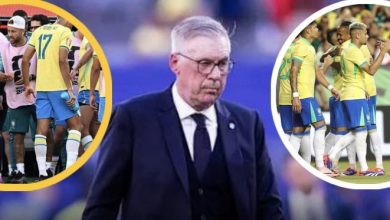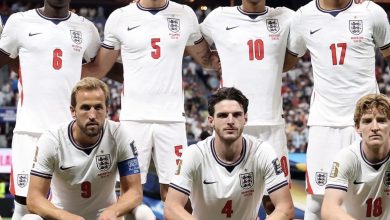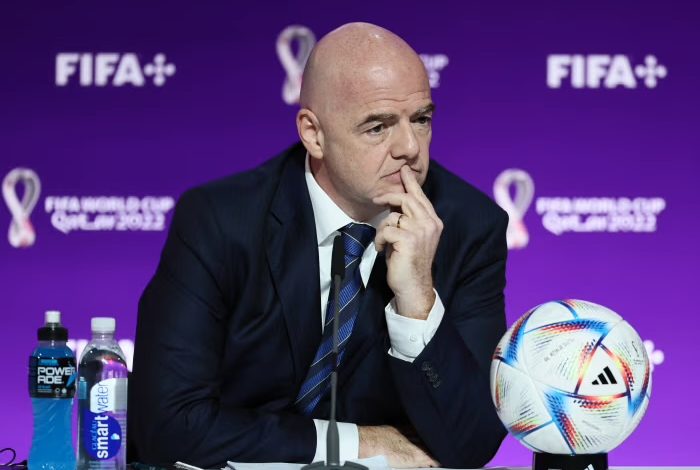
The image circulating widely on social media captures a poignant moment: England manager Thomas Tuchel deep in thought, finger to his lips, overlaid with dramatic match snapshots of physical challenges, contested fouls, and the bold headline proclaiming that FIFA has “finally” compensated England for refereeing errors in their semi-final clash against Argentina at the 2026 FIFA World Cup. While the claim of direct financial or competitive compensation from FIFA appears to be more meme than confirmed policy shift—as of the latest reports, no official announcement has materialized—the sentiment resonates deeply with England fans still reeling from a controversial 2-1 defeat.
This article examines the match, the refereeing disputes, the historical context of England-Argentina rivalries, the role of technology and officiating in modern football, potential implications for FIFA, and broader lessons for the sport. Clocking in at well over 1500 words, it aims to provide a balanced, comprehensive analysis rather than fuel unverified rumors.
The Match That Sparked the Firestorm: England 1-2 Argentina (World Cup 2026 Semi-Final)
The semi-final, held in Atlanta, was billed as one of the most anticipated encounters in recent tournament history. England, under new manager Thomas Tuchel, had progressed with a disciplined, if somewhat pragmatic, style. They took a first-half lead through Anthony Gordon, capitalizing on a swift counter-attack that showcased the pace and directness English football prides itself on.
Argentina, led by an aging but still influential Lionel Messi, responded in the second half. Goals from Enzo Fernández and Lautaro Martínez turned the tide in dramatic fashion. Post-match analysis highlighted Tuchel’s defensive substitutions, which some critics argued left England too passive, effectively “parking the bus” against a side known for clinical finishing and tactical flexibility.
Yet, the real talking points emerged not from the tactical battle but from several flashpoints involving referee Ismail Elfath and the VAR team. England players and fans pointed to multiple incidents:
- A robust challenge by an Argentine midfielder on an England player (reportedly involving Fernández on Anderson) where a free-kick was awarded but no card shown, despite what appeared to be a late or reckless tackle.
- Questions over the build-up to Argentina’s winning goal, with some England supporters claiming a foul on Djed Spence went unpunished.
- Broader complaints about offside decisions, ignored fouls, and inconsistent application of advantage.
Tuchel was vocal post-match, stating (in reported comments): “The referee and VAR completely lost control… mistakes like these are unacceptable. You work four years for moments like this…” He highlighted perceived incompetence in crucial calls despite available technology.
These grievances quickly went viral, amplified by the images in the query—tackles, close physical duels, and the emotional weight on Tuchel’s face. Social media exploded with hashtags, fan compilations, and debates pitting “England always complaining” against “systemic bias against non-South American teams.”
Did FIFA Actually Compensate England? Separating Fact from Meme
As of July 16, 2026, there is no verified report of FIFA providing monetary compensation, replaying the match, or altering tournament standings in England’s favor. Searches across major outlets and official channels yield no such announcement. The headline in the image seems rooted in fan frustration and viral meme culture rather than official action. FIFA has, however, faced increased scrutiny and has a history of reviewing high-profile refereeing errors internally, sometimes leading to referee suspensions or procedural changes for future tournaments.
In rare cases, FIFA has offered apologies or conducted reviews (e.g., after notable VAR controversies in previous World Cups), but “compensation” typically manifests as improved training, technology upgrades, or disciplinary measures rather than direct redress for a defeated team. If any quiet compensation—perhaps in the form of future seeding advantages, financial support for development, or goodwill gestures—were to emerge, it would mark a significant departure from FIFA’s usual stance of finality in on-field results.
England’s Football Association (FA) has a track record of lobbying for fair play, and public pressure could prompt an official statement. For now, the narrative serves more as catharsis for a nation that feels perennial “nearly men” status in major tournaments.
Historical Rivalries: England vs Argentina – More Than Just Football
The 2026 semi-final revived one of international football’s most storied rivalries. It dates back decades, intertwined with politics and drama:
- 1966 World Cup Quarter-Final: England’s 1-0 win over Argentina featured a controversial sending-off of Argentine captain Antonio Rattín, with accusations of bias from the home crowd and referee.
- 1982 Falklands War Context: The 1982 quarter-final (England 3-1 Argentina, featuring a Diego Maradona handball goal famously dubbed “The Hand of God” in 1986, but tensions peaked earlier) carried heavy geopolitical weight following the Falklands/Malvinas conflict. Post-2026 match reports noted Argentine players displaying a “Las Malvinas son Argentinas” banner, prompting FIFA review for political messaging.
- 1998 and 2002 World Cups: Red cards, penalties, and intense encounters cemented the narrative of grudge matches.
- Recent Friendlies and Qualifiers: Occasional clashes kept the flame alive, but nothing matched a World Cup semi-final.
This backdrop amplifies every refereeing decision. Fans on both sides view officials through the lens of historical injustice, making neutral arbitration nearly impossible in the eyes of supporters.
Refereeing Errors in the Modern Game: VAR, Human Judgment, and Persistent Challenges
The 2026 controversy underscores ongoing issues with Video Assistant Referee (VAR) technology. Introduced to reduce errors, VAR has instead sparked new debates about “clear and obvious” mistakes, subjective interpretations (e.g., what constitutes a foul in a high-stakes tackle), and the loss of on-pitch flow.
Key problems highlighted in this match:
- Inconsistent Foul Thresholds: A challenge deemed worthy of a free-kick but not a booking raises questions about player safety and game control.
- Offside and Marginal Calls: Even with lines drawn by technology, millimeter decisions can decide matches.
- Human Oversight: Referees like Elfath operate under immense pressure. Semi-finals demand perfection, yet humans (and algorithms) falter.
- Post-Match Accountability: Unlike leagues with retrospective panels, World Cup decisions are largely final.
England’s complaints mirror those from other nations (e.g., Netherlands, France in past tournaments). FIFA’s refereeing chief, Pierluigi Collina, and others have advocated for more transparency, such as public explanations of key decisions or semi-automated offside tech expansions.
Critics argue VAR has made football more clinical but less joyous. Proponents say it corrects injustices that plagued the pre-VAR era. The truth lies somewhere in the middle: technology is a tool, not a panacea, and training for referees must evolve alongside it.
Broader Implications for FIFA and Global Football
If FIFA were to “compensate” England in any tangible way, it could set dangerous precedents—opening floodgates for appeals from every eliminated team. Instead, constructive responses might include:
- Enhanced VAR protocols for knockouts.
- Independent review panels post-tournament.
- Investment in referee development programs, especially in emerging nations.
- Greater use of AI for pattern recognition in fouls.
For England, the defeat (despite strong qualification campaigns) reignites debates about the “Golden Generation” curse, tactical rigidity under managers like Tuchel, and the psychological toll of high expectations. Stars like Jude Bellingham (involved in post-match incidents) and Harry Kane face scrutiny, but systemic issues—youth development, Premier League fatigue—also warrant examination.
Argentina, meanwhile, advances with Messi potentially eyeing a swan-song final. Their resilience and counter-attacking prowess remain hallmarks of South American football excellence.
Fan Culture, Memes, and the Power of Images
The provided images perfectly encapsulate the moment: Tuchel’s contemplative pose symbolizes managerial anguish; the action shots highlight the physicality and disputed moments; the football in the foreground nods to the beautiful game’s core. Such visuals drive narratives faster than official statements. In the age of social media, a well-crafted meme can influence public perception more than a 50-page FIFA report.
England fans’ frustration is understandable—decades of “what if” moments from 1966 glory to penalty shootout heartbreaks. Argentine supporters counter with their own tales of Maradona’s genius and perceived European favoritism.
Lessons for the Future of the Sport
- Player Welfare and Discipline: Late challenges and confrontations (e.g., Bellingham incident) highlight needs for stricter on-field management.
- Technological Evolution: Full implementation of semi-automated offsides and real-time VAR overlays for broadcasts could build trust.
- Mental Health in Football: Managers and players under microscope require better support.
- Global Equity: Ensuring referee crews represent diverse confederations fairly.
- Fan Engagement: Channels for official dialogue post-controversy to prevent alienation.
Ultimately, football thrives on passion, but sustainability demands fairness. Whether or not FIFA offers any form of redress, this semi-final will be dissected for years in pubs, podcasts, and academies.
Conclusion: Beyond the Scoreline
The viral image and headline capture raw emotion in a sport that unites and divides like no other. While “FIFA finally compensates England” remains unconfirmed and likely exaggerated, the underlying issues—refereeing standards, historical baggage, and competitive integrity—are very real. England exits with heads held high for reaching the semis; Argentina marches on. Both nations, and football globally, stand to learn from the episode.
As the tournament continues toward the final, one hopes for fewer controversies and more moments of pure sporting brilliance. For England fans, the dream of lifting the trophy again endures. For the rest of us, the beautiful game continues to provide endless drama, debate, and—occasionally—heartbreak that fuels the next cycle of hope.