England Face Defensive Concerns Ahead of Norway Quarter-Final as Tuchel Prioritises Squad Discipline

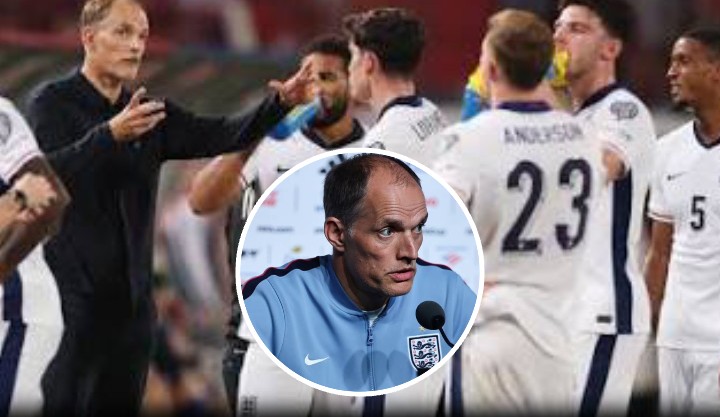
England head into their 2026 World Cup quarter-final against Norway in Miami with several fitness questions, particularly in defence, testing Thomas Tuchel’s ability to balance squad depth and tactical needs at a critical stage of the tournament.
The match on Saturday evening at Hard Rock Stadium represents a significant hurdle for the Three Lions. Norway, led by Erling Haaland in inspired form, have already caused upsets, including a notable victory over Brazil. England advanced from their group with a gritty 3-2 win over Mexico despite playing with 10 men for much of the second half.
Key Moments and Squad Updates
Injury and suspension issues have dominated England’s preparations. Jarell Quansah received a two-match ban following a red card against Mexico, ruling him out of the Norway clash and a potential semi-final.
Marc Guehi has been a major doubt after missing training with a hamstring strain sustained in the Mexico match. Reports indicate he remains a serious concern, with Tuchel set to make a late call on his availability.
Reece James, England’s most experienced right-back, has been sidelined with a hamstring injury since the group stage. While he has returned to training and offers a potential boost, his match fitness for 90 minutes against a physical Norway side remains uncertain. Tino Livramento’s earlier calf injury has further thinned options at right-back, forcing tactical adjustments such as deploying Djed Spence or shifting players like Ezri Konsa.
Declan Rice has also missed sessions due to a back complaint and illness concerns, though recent updates suggest he trained and is expected to feature. These absences come after a demanding group campaign that highlighted the physical toll of knockout football in humid conditions.
Tactical Analysis
Tuchel’s approach emphasises control, structure, and clear hierarchies. His preference for experienced, disciplined players has shaped squad selections throughout the tournament. The right-back situation forces creative solutions. Spence offers attacking width but less defensive security than James, while a makeshift back four could expose vulnerabilities against Haaland’s movement and Norway’s set-piece threats.
England have shown resilience, with Jude Bellingham and Harry Kane delivering in key moments. However, the absence of a fully fit specialist right-back disrupts the balance Tuchel seeks in his preferred setup, likely a 4-2-3-1 or similar. Norway’s strength lies in transitions and Haaland’s finishing; neutralising him will require compact midfield pressing from Rice (if fit) and support from Bellingham.
Historically, England have struggled with injury management in major tournaments. Tuchel’s German pragmatism — focusing on what players can deliver now rather than potential — echoes his Chelsea tenure, where squad rotation and clear communication were hallmarks.
Fan Reactions
UK fans express a mix of frustration and realism on platforms and forums. Many acknowledge the depth issues but praise Tuchel for tough calls earlier in the squad announcement, such as omissions of certain high-profile names. “We always seem to go into big games patched up,” one supporter noted on social media, reflecting a common sentiment of cautious optimism mixed with familiar tournament anxiety.
From a Nigerian perspective, the African diaspora in the UK watches closely, especially with players of dual heritage in the squad. Fans in communities like those following Super Eagles alumni appreciate Tuchel’s focus on merit and fitness over reputation. “It’s about who is ready to fight for the shirt right now,” said one Nigerian-English supporter in London discussions. This pragmatic view aligns with how African football cultures often value resilience and adaptability in adversity.
Broader Implications
This quarter-final carries weight beyond the result. A strong performance could solidify Tuchel’s project, proving his methods translate to international success. Continued defensive frailties might fuel debates about squad planning and the Premier League’s demands on players.
For individuals like James and Guehi, availability (or lack thereof) impacts club futures and international standing. Norway’s progress highlights the rising standard in European football outside the traditional elite, with Haaland’s form adding global attention to the tie.
Success here would set up a demanding semi-final, likely against strong opposition, testing squad depth further. Failure risks scrutiny on Tuchel’s selections and England’s tournament pedigree.
Looking Ahead
England possess quality to progress, but the Norway match demands efficient use of available resources. Tuchel’s emphasis on discipline and current form over past glories will define the coming days. Fans on both sides of the Atlantic anticipate a tactical battle where fitness and execution outweigh individual star power.
With the tournament at a pivotal juncture, England’s response to these challenges could shape their legacy in 2026 and beyond.