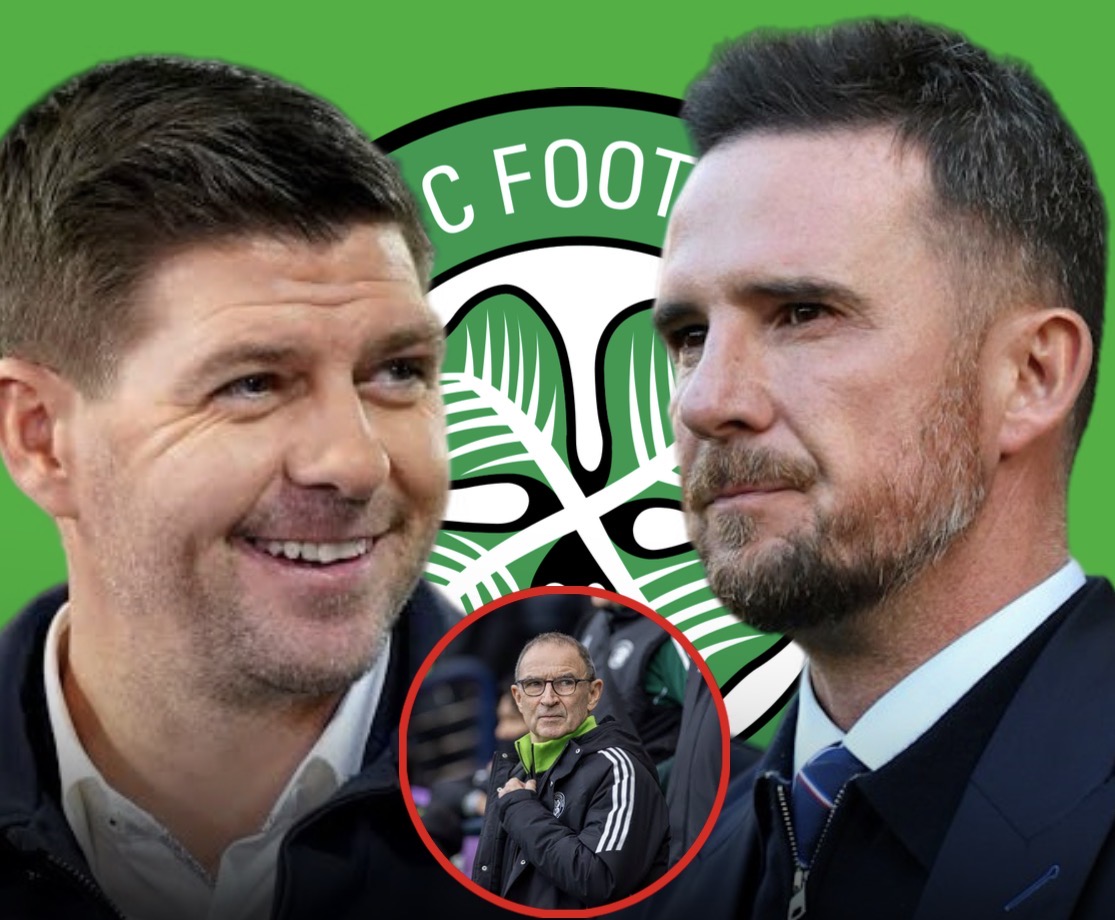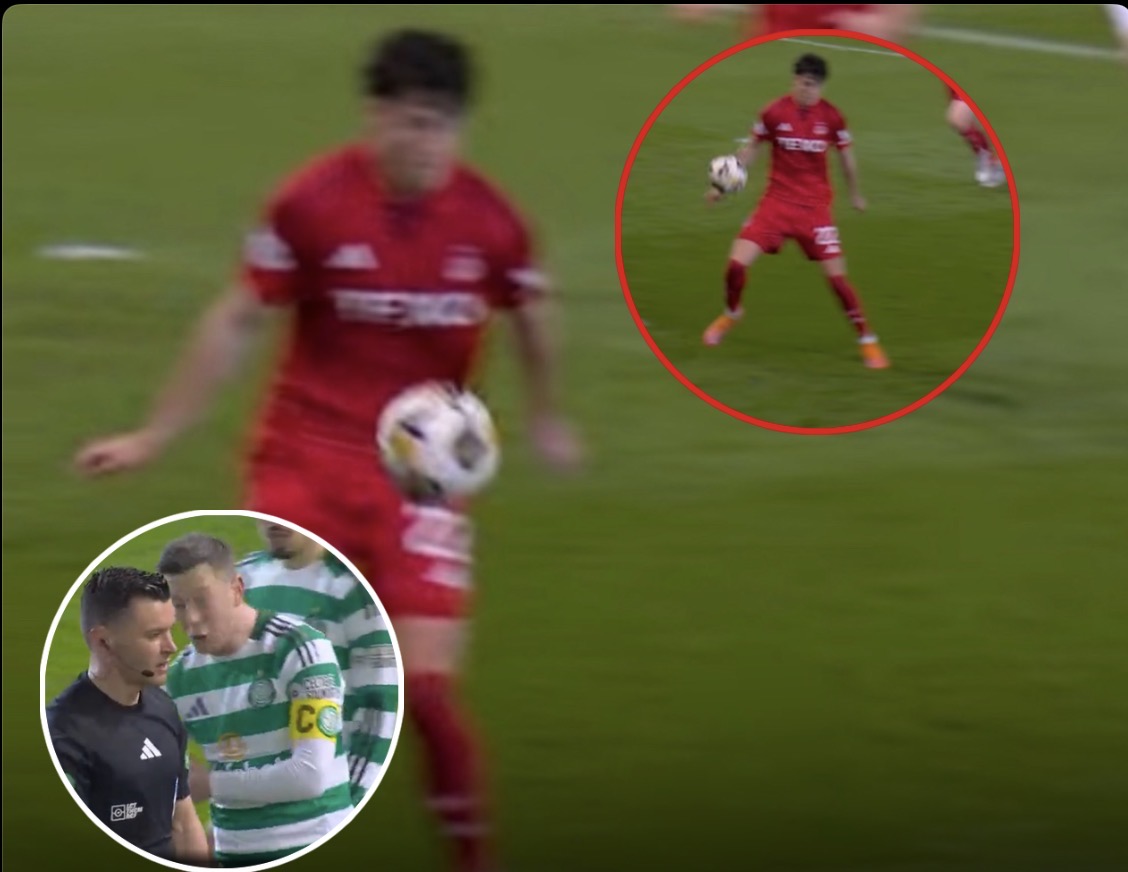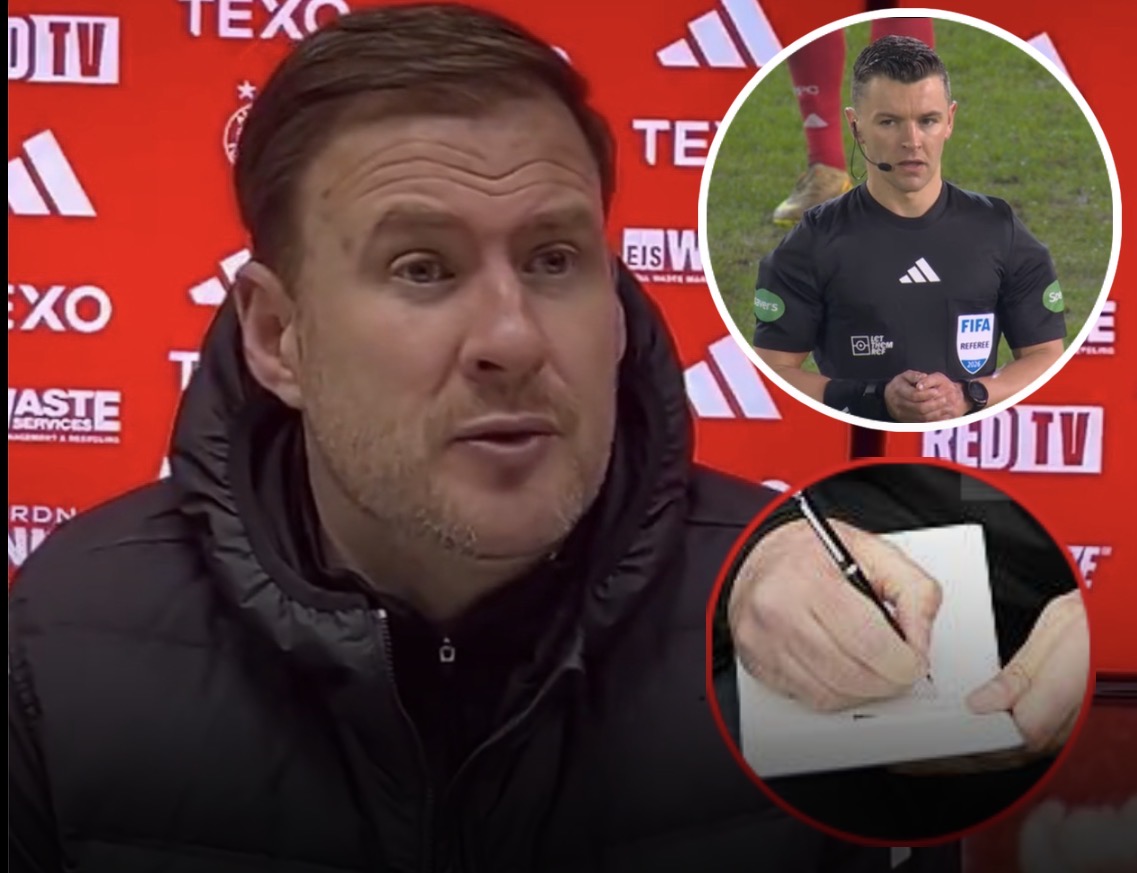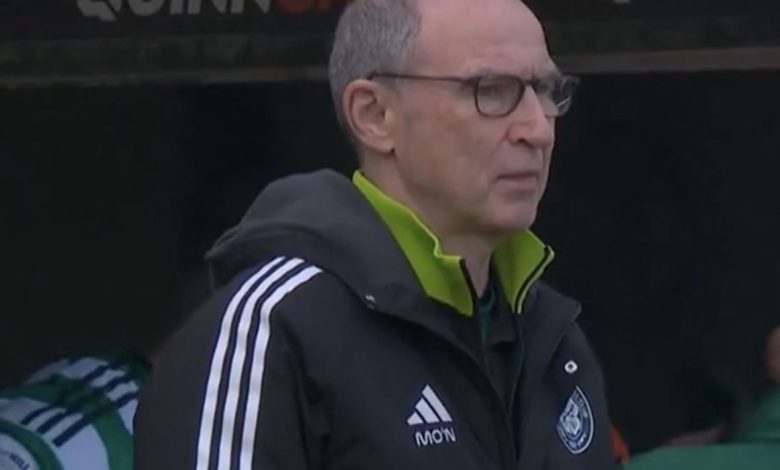
For a club of Celtic FC’s stature, defeat is never taken lightly. But when that defeat is followed by immediate structural change behind the scenes, it raises deeper questions—questions not just about performance on the pitch, but about stability off it.
That is exactly the situation now unfolding after Celtic’s shocking 2–0 loss to Dundee United. Within minutes of the final whistle, the narrative shifted dramatically. What initially looked like a poor result has quickly spiralled into something far more concerning: a major departure at boardroom level.
While fans initially reacted to the performance, attention has now turned toward the club’s financial and strategic backbone—its investors.
But to understand why this moment feels so significant, you need to start with what happened on the pitch.
Timeline: From Defeat to Fallout
Matchday Collapse
Celtic travelled into the fixture with expectations of control and dominance. Historically, they have often dictated games against Dundee United, but this encounter told a different story.
From the opening whistle, Celtic appeared disjointed. Their pressing lacked intensity, their midfield transitions were slow, and defensively they were exposed.
Dundee United capitalised ruthlessly:
- First goal: A defensive lapse allowed United to break through with ease
- Second goal: A clinical finish that punished Celtic’s lack of structure
The final whistle confirmed a 2–0 defeat—one that stunned supporters and intensified scrutiny on the club’s direction.
Fan reaction was immediate and fierce. Criticism wasn’t limited to the players or coaching staff—it quickly escalated toward the board.
According to emerging fan sentiment, many supporters have long been frustrated with what they perceive as underinvestment in the squad, particularly ahead of key competitions.
Tactical Breakdown: Where It Went Wrong
Lack of Midfield Control
Celtic’s midfield failed to impose itself. Without proper ball progression, the attacking line was isolated, leading to predictable build-up play.
Defensive Fragility
The backline struggled with positioning and awareness. Dundee United exploited gaps between defenders, particularly during transitions.
Ineffective Pressing System
The pressing structure—once a hallmark of Celtic’s identity—looked disorganised. Players pressed individually rather than as a unit, making it easy for Dundee United to bypass them.
Psychological Drop-Off
Perhaps most concerning was the visible drop in confidence after conceding. The team lacked leadership on the pitch, something that has been a recurring issue during difficult spells this season.
Fan Reaction: Anger Beyond the Result
Supporters did not hold back.
Across fan platforms and discussions, the same themes emerged:
- “The board is letting us down”
- “There’s no ambition”
- “Where is the investment?”
These sentiments are not new—but this defeat appears to have amplified them.
For many fans, this was not just about losing a match. It was about a perceived pattern of stagnation.
And then, just as emotions peaked, the club made an announcement that changed everything.
The Turning Point: A Hidden Crisis Emerges
At first, the club’s statement seemed routine. No dramatic headlines. No immediate clarity.
But as details began to surface, the true significance became clear.
Only at this stage did it emerge that key investors associated with Celtic had departed—a development that had been finalised and announced almost immediately after the defeat.
This was not a coincidence in timing. It was a signal.
The Departure Explained
Celtic operates under a structured financial model through its plc framework, where investors and shareholders play a critical role in shaping long-term strategy.
The departure of investors—especially in close proximity to a major sporting setback—raises serious concerns:
1. Confidence in Leadership
Investor exits often reflect declining confidence in decision-making at the top level.
Given recent managerial instability and inconsistent performances, this move may indicate dissatisfaction with the club’s direction.
2. Financial Implications
Investors contribute to:
- Transfer budgets
- Infrastructure development
- Long-term planning
Their departure could limit Celtic’s ability to compete financially, especially in European competitions.
3. Strategic Uncertainty
Without stable backing, the club may struggle to execute long-term projects, including squad rebuilding and youth development.
Context: A Pattern of Instability
This development does not exist in isolation.
Over the past year, Celtic have experienced:
- Managerial upheaval, including the short-lived tenure of Wilfried Nancy, who lasted just 33 days after a poor run of results
- Ongoing criticism of the board’s transfer strategy
- Fan protests regarding ambition and spending
Even prior to this latest defeat, tensions were already simmering beneath the surface.
The investor departure now adds another layer to an already complex situation.
Broader Implications for Scottish Football
Celtic are not just any club—they are a cornerstone of Scottish football.
When instability hits a club of this magnitude, the ripple effects are significant:
Domestic Competition
A weakened Celtic could shift the balance of power in the Scottish Premiership.
European Representation
Scottish clubs rely on strong performances from teams like Celtic to maintain UEFA coefficients and reputation.
Financial Ecosystem
Celtic’s commercial strength supports wider league visibility. Investor uncertainty could impact that ecosystem.
Nigerian Perspective: Why This Matters Globally
Celtic’s influence extends beyond Scotland, particularly in regions like Africa.
With Nigerian players historically linked to the club—and current fan focus on players like Kelechi Iheanacho—the situation is being closely monitored by African audiences.
For Nigerian fans:
- Club stability directly impacts player development and exposure
- Financial strength influences transfer opportunities and squad building
This is not just a Scottish story—it’s a global one.
What Happens Next?
Celtic now face critical decisions:
Short-Term Priorities
- Stabilise dressing room morale
- Address tactical weaknesses
- Reassure supporters
Long-Term Strategy
- Replace or restructure investor backing
- Rebuild trust between board and fans
- Define a clear footballing identity
Failure to act decisively could deepen the crisis.
Conclusion
What began as a disappointing 2–0 defeat to Dundee United has evolved into something far more serious.
The immediate departure of investors has exposed underlying tensions within Celtic’s structure—tensions that have been building over time.
For supporters, this moment feels like a tipping point.
For the club, it represents a test of leadership, resilience, and vision.
Because in football, results matter—but stability matters more.
And right now, Celtic appear to be fighting battles on both fronts.