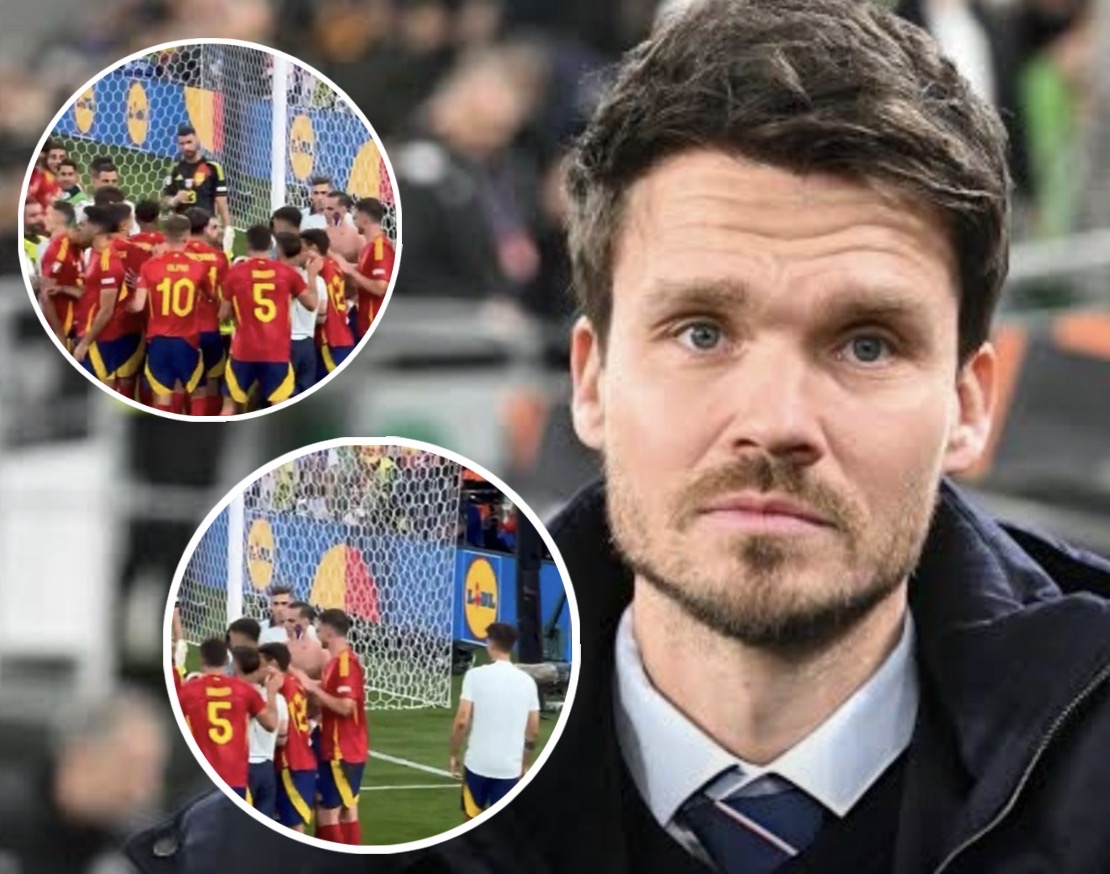
RANGERS FC MIDFIELDER SUFFERS SHOCK “FREAK INCIDENT” AFTER VICTORY
In what should have been a routine post-match celebration, Rangers F.C. instead found themselves at the centre of a deeply concerning and unusual incident that has sent shockwaves through Scottish football. A 24-year-old midfielder — already part of a squad battling injuries and inconsistency — reportedly suffered a freak injury involving a security guard shortly after the final whistle of their latest victory.
While details are still emerging, early indications suggest the situation was anything but ordinary. Instead of jubilation, concern quickly spread through the dressing room, with medical staff rushing to assess the player’s condition. The phrase “it doesn’t look good” has been echoed across early reports and fan reactions, triggering widespread anxiety among supporters.
This article breaks down the timeline, the possible implications for Rangers’ season, tactical consequences, fan reaction across the UK and Nigeria, and what this bizarre moment says about football operations beyond the pitch.
Timeline of Events: From Victory to Panic
They had just secured an important win — one that could prove pivotal in their domestic campaign. The club has been locked in a tight title race, with only a handful of games remaining.
The match itself followed a familiar pattern: controlled possession, midfield dominance, and a disciplined defensive structure. The 24-year-old midfielder in question — widely believed to be among Rangers’ key rotational options this season — had played a solid role in the victory.
But what happened next turned celebration into confusion.
- Full-time whistle: Players began their usual post-match routines — handshakes, celebrations, and movement toward the tunnel.
- Tunnel congestion: Reports suggest a crowded tunnel area involving players, staff, media personnel, and stadium security.
- The incident: In a moment described as “accidental but forceful,” the midfielder reportedly collided with or was knocked by a security guard.
- Immediate reaction: The player went down, prompting immediate concern from teammates.
- Medical response: Rangers’ medical staff intervened quickly, escorting the player away for further assessment.
While no official club statement has confirmed the full severity, the tone from insiders has been notably pessimistic.
Who Is the Player?
Although the club has yet to formally confirm the identity, speculation has centred around players in the 23–25 age bracket within Rangers’ midfield rotation.
One prominent figure fitting that description is Mohamed Diomande — a 24-year-old who has already faced injury concerns this season. He previously picked up a shoulder issue that left the club anxiously awaiting scan results, with fears of a long-term absence.
Diomande has been a regular presence, making over 20 league appearances and contributing both defensively and in build-up play.
If confirmed, this latest setback would represent a devastating blow — not just for the player, but for Rangers’ tactical stability.
Tactical Impact: A Midfield Crisis Brewing
Rangers have already endured a difficult season with injuries across multiple positions.
- Connor Barron has been recovering from a knee injury.
- Other midfield options have struggled for consistency or fitness.
- The squad has been forced into constant reshuffling.
The loss of another midfielder — especially in such bizarre circumstances — could have serious consequences.
1. Loss of Balance
The injured player has typically operated in a deeper midfield role, helping link defence and attack. Without him:
- Rangers may lose composure in possession.
- Defensive transitions could become more vulnerable.
2. Increased Pressure on Nicolas Raskin
Nicolas Raskin would likely be tasked with carrying more responsibility in midfield. While talented, over-reliance could expose fatigue issues.
3. Tactical Adjustments
Managerial options include:
- Switching to a double pivot with more defensive emphasis
- Introducing younger, less experienced players
- Altering formation to compensate for midfield shortages
None of these options are ideal — especially at a crucial stage of the season.
Dressing Room Reaction: Shock and Frustration
Sources close to the club describe a dressing room atmosphere that shifted rapidly from celebration to disbelief.
Players were reportedly:
- Confused about how the incident occurred
- Concerned about their teammate’s condition
- Frustrated at the avoidable nature of the injury
Moments like these can have psychological effects on a squad. Footballers are accustomed to injuries from tackles, not from post-match chaos involving non-playing staff.
Fan Reaction: UK and Nigerian Perspectives
UK Reaction
Rangers supporters have taken to social media in disbelief.
Common sentiments include:
- Anger at stadium management and security protocols
- Frustration over yet another injury setback
- Concern about the club’s title chances
Some fans have even called for an internal investigation into matchday operations.
Nigerian Reaction
Given the strong Nigerian interest in Rangers — especially with African players linked to the squad — reactions have also been significant in Nigeria.
Fans have expressed:
- Sympathy for the injured player
- Criticism of “careless handling” behind the scenes
- Broader concern about player welfare in European football
This reflects the growing global scrutiny clubs face, especially from passionate football communities outside Europe.
Broader Context: Rangers’ Injury Problems
This incident doesn’t exist in isolation.
Rangers have endured:
- Multiple muscle injuries
- Long-term absences in key positions
- A constantly changing lineup
Earlier in the season, Diomande’s potential shoulder injury already highlighted the club’s fragile squad depth.
Adding a freak injury to that list only compounds the issue.
Security and Stadium Protocols: Serious Questions Raised
This incident raises uncomfortable but necessary questions:
1. Tunnel Safety
Why was the tunnel area congested?
Modern stadiums are designed to:
- Separate players and staff efficiently
- Minimise unnecessary contact
- Ensure safe movement post-match
A failure here suggests procedural gaps.
2. Role of Security Staff
Security personnel are meant to:
- Protect players
- Manage crowd control
- Ensure smooth operations
An incident involving a security guard causing injury — even accidentally — is highly unusual and concerning.
3. Accountability
If negligence is found:
- Internal disciplinary action may follow
- Rangers could review matchday protocols
- External governing bodies may become involved
Title Race Implications
Rangers are currently in a tightly contested title race, trailing by a narrow margin with only a few matches remaining.
Losing a key midfielder at this stage could:
- Disrupt momentum
- Force tactical compromises
- Affect results in crucial fixtures
In tight title races, even small disruptions can have massive consequences.
The Human Side: Player Welfare First
Beyond tactics and results, the most important issue remains the player’s health.
Footballers already face:
- Physical strain
- Injury risks during matches
- Intense schedules
Suffering an injury in a non-football incident adds an extra layer of frustration — and raises questions about player protection off the pitch.
What Happens Next?
The immediate next steps are clear:
- Medical Assessment
- Scans to determine severity
- Timeline for recovery
- Club Statement
- Confirmation of the incident
- Clarification on the player’s condition
- Internal Review
- Investigation into how it happened
- Possible changes to security procedures
- Squad Adjustment
- Tactical reshuffle
- Potential reliance on youth or fringe players
Conclusion
Football is a game of fine margins — but rarely does a match swing on something as bizarre as a post-game incident involving a security guard.
For Rangers F.C., this moment could prove more damaging than any defeat. A freak injury, occurring outside the natural flow of the game, has the potential to derail momentum at the worst possible time.
As fans await official confirmation, one thing is certain: this is a situation that simply should not have happened.
Whether it leads to lasting consequences on the pitch — or sparks significant changes behind the scenes — remains to be seen.
But for now, concern outweighs celebration.




Post Comment