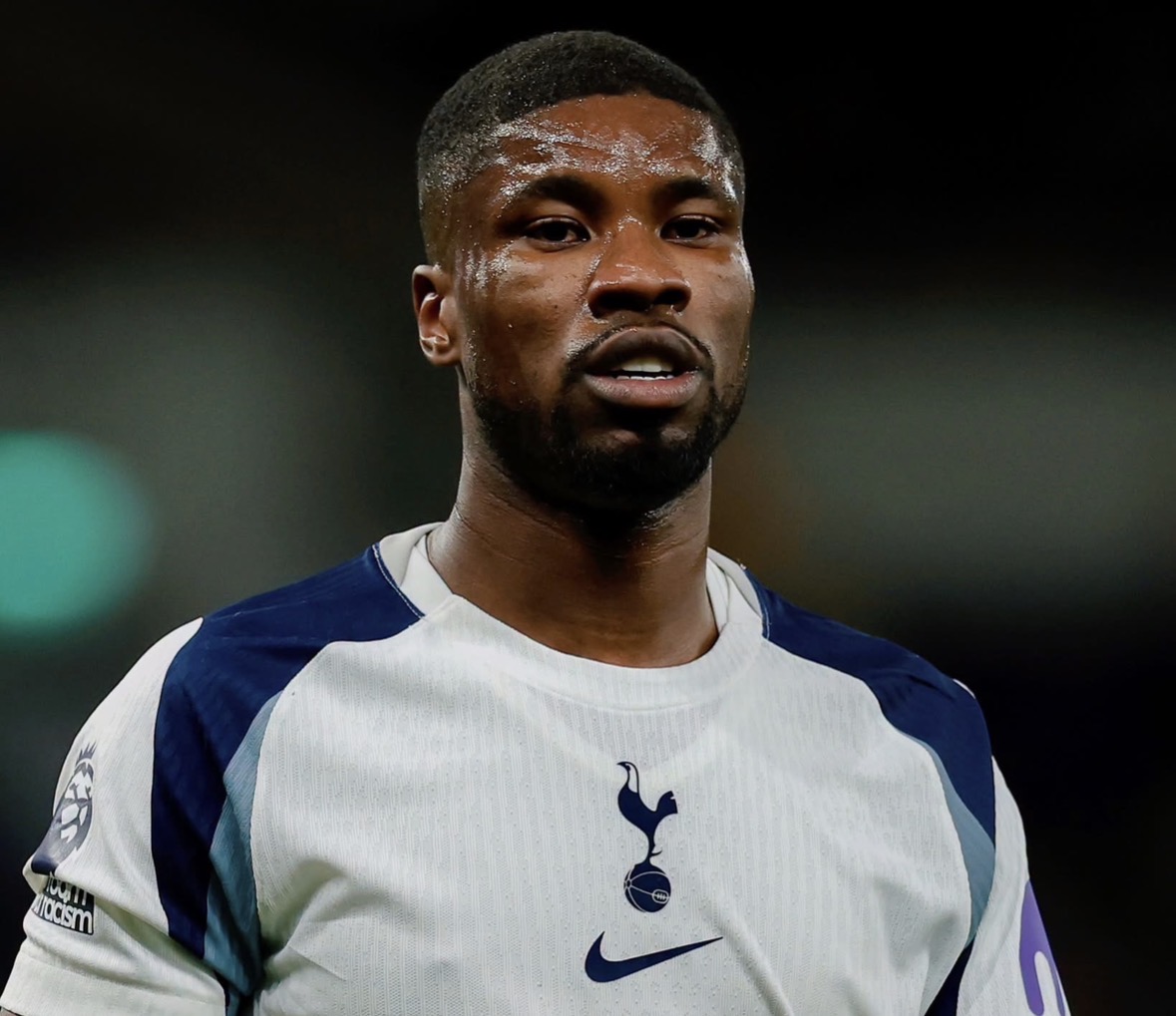
Kevin Danso Racism Row: Tottenham’s Strongest Stand Yet as Abuse Sparks Wider Reckoning in English Football
The ugly underbelly of football fandom has once again been exposed, and this time it centres on Kevin Danso. What should have been a routine post-match discussion following Tottenham Hotspur’s recent Premier League fixture against Brighton & Hove Albion quickly escalated into something far more disturbing. Instead of debate over tactics, performance, or results, the narrative was hijacked by vile, racially charged abuse directed at Danso across social media platforms.
Tottenham’s official response was swift, direct, and unusually forceful. The club did not hide behind generic statements or watered-down condemnations. Instead, they issued a detailed, unapologetic declaration, labelling the abuse as “abhorrent,” “dehumanising,” and unequivocally criminal. Their stance reflects not just support for Danso, but a broader institutional frustration with the persistence of racism in football—particularly during initiatives like the league’s “No Room For Racism” campaign, which ironically framed the same weekend.
This incident raises uncomfortable questions: Why does racism continue to plague football despite years of campaigns? Are clubs and authorities doing enough? And what does this mean for players like Danso, who must navigate not just professional pressure, but personal attacks rooted in identity?
Timeline of Events
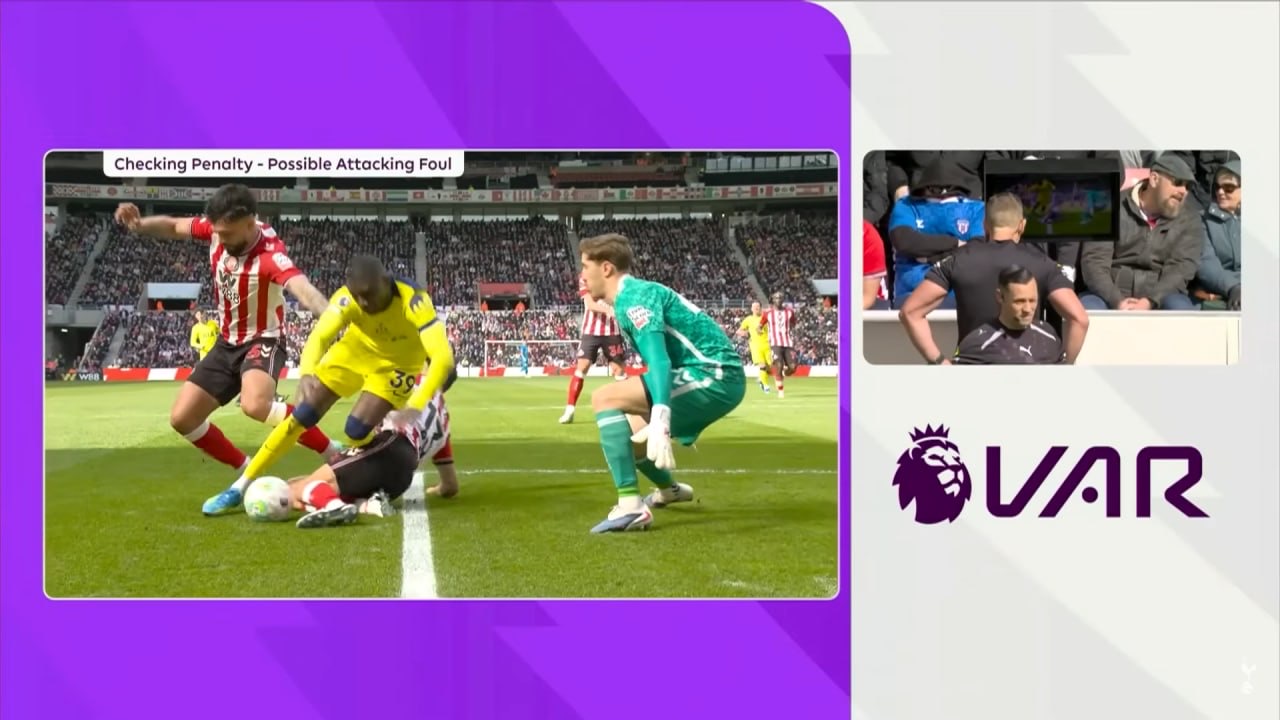
The controversy unfolded rapidly in the aftermath of Tottenham’s clash with Brighton. While the exact match result is secondary to the broader issue, what followed the final whistle became the focal point.
Matchday – The Trigger Point
Danso, who has been integrating into Tottenham’s defensive setup, endured a challenging outing. Whether due to tactical mismatches, individual errors, or collective defensive lapses, the scrutiny that followed was expected. Criticism is part of elite football—fans analyse every touch, every decision.
However, within hours of the match, criticism crossed a dangerous line. Social media platforms, particularly X (formerly Twitter) and Instagram, became flooded with abusive messages. What began as performance-related frustration quickly spiralled into racist attacks.
Immediate Aftermath – Abuse Escalates
The volume and intensity of the abuse reportedly surged overnight. Screenshots circulated among fan communities, revealing language that Tottenham later described as “vile” and “dehumanising.” The timing made the situation even more jarring—it occurred during the Premier League’s anti-racism awareness weekend.
Club Response – Zero Tolerance
Tottenham’s official statement marked a decisive turning point. The club confirmed they had:
- Reported content to the Metropolitan Police
- Contacted authorities in countries where offenders are based
- Notified social media companies
- Begun identifying individuals responsible
The message was clear: this was not just a PR exercise; it was a legal and moral battle.
Tactical Context: Why Players Become Targets
To understand why players like Danso become lightning rods for abuse, it’s important to examine the tactical and psychological environment of modern football.
Danso operates as a central defender—a position that naturally attracts scrutiny. Defensive errors are often more visible and costly than mistakes in other areas. A misplaced pass or poor positional decision can directly lead to goals conceded, making defenders easy scapegoats.
Under high-intensity systems commonly employed in the Premier League, defenders are required to:
- Play out from the back under pressure
- Maintain high defensive lines
- Engage in one-on-one duels against elite attackers
These demands increase the likelihood of visible mistakes. However, while criticism of performance is valid, the transition from analysis to abuse—particularly racist abuse—reveals deeper societal issues rather than footballing ones.
The Club’s Position: A New Level of Accountability
Tottenham’s statement stands out for its clarity and depth. Rather than issuing a brief condemnation, the club outlined a structured response strategy.
Legal Action and Enforcement
By involving the Metropolitan Police and international authorities, Tottenham signalled their willingness to pursue legal consequences. This aligns with UK laws that classify certain forms of online abuse as criminal offences.
Partnerships with Monitoring Organisations
The club highlighted its collaboration with specialist third parties that track and identify online abuse. These organisations use advanced tools to trace anonymous accounts, making it increasingly difficult for perpetrators to hide behind digital anonymity.
Consequences for Offenders
Tottenham explicitly listed potential penalties, including:
- Custodial sentences
- Football banning orders
- Criminal records
- Fines and community service
- Mandatory educational programmes
This level of detail serves as both a warning and a deterrent.
The Human Impact: Beyond the Pitch
For Kevin Danso, the abuse is not just noise—it is personal. Players often speak about the emotional toll of online harassment, particularly when it targets their identity rather than their performance.
Racist abuse can lead to:
- Mental health challenges, including anxiety and depression
- Loss of confidence on the pitch
- Strained relationships with fans
- A sense of isolation, even within a team environment
Tottenham’s statement emphasised that Danso has “complete and unconditional support,” a crucial message in helping players cope with such experiences.
Wider Context: Racism in the Premier League
Despite years of campaigns, racism remains a persistent issue in English football. The Premier League has invested heavily in initiatives like “No Room For Racism,” yet incidents continue to surface.
High-profile cases involving players across multiple clubs have demonstrated that:
- Social media is the primary platform for abuse
- Anonymous accounts enable repeat offenders
- Enforcement mechanisms are often slow or inconsistent
The Danso incident is not isolated—it is part of a broader pattern that continues to challenge the credibility of anti-racism efforts.
Nigerian and African Perspective
From a Nigerian and broader African standpoint, incidents like this resonate deeply. Many African players have historically faced discrimination while playing in European leagues. The success of African footballers in England—from past icons to current stars—has not eliminated the prejudice they sometimes encounter.
For fans in Nigeria, who passionately follow the Premier League, such incidents create a conflict:
- Admiration for the league’s quality and global appeal
- Frustration with its inability to fully eradicate racism
The Danso case reinforces the need for stronger protections and cultural change, not just institutional responses.
Social Media Platforms: The Missing Piece?
Tottenham’s call for action from platforms like X and Instagram highlights a critical issue. While clubs and authorities can investigate and prosecute, the speed at which harmful content spreads often outpaces enforcement.
Key challenges include:
- Delayed response times to reported content
- Inconsistent moderation policies
- Difficulty in identifying anonymous users
Without faster and more decisive action from these platforms, efforts to combat online abuse will remain limited.
Broader Implications for Football
This incident could have several long-term implications:
1. Increased Legal Action
Clubs may become more aggressive in pursuing legal cases against abusive fans, setting precedents for future incidents.
2. Stronger Regulations
Governing bodies may introduce stricter rules for social media accountability, potentially requiring identity verification for users.
3. Cultural Shift
While slower and harder to measure, sustained pressure could gradually change fan behaviour, particularly among younger audiences.
Conclusion
The abuse directed at Kevin Danso is a stark reminder that football’s fight against racism is far from over. Tottenham Hotspur’s response represents a significant step forward—firm, detailed, and action-oriented—but it also underscores the scale of the problem.
Racism in football is not just a disciplinary issue; it is a societal one. It cannot be solved by clubs alone, nor by campaigns that last a single weekend. It requires coordinated action from governing bodies, law enforcement, social media companies, and fans themselves.
As the Premier League continues to market itself as the world’s most inclusive and global competition, incidents like this challenge that narrative. The real test lies not in statements, but in sustained action—and in ensuring that players like Danso can perform their roles without fear of discrimination.
Football thrives on passion, rivalry, and debate. But there must always be a line—one that separates criticism from abuse, and competition from hatred. In this case, that line was crossed. The response now will determine whether meaningful change follows.







Post Comment