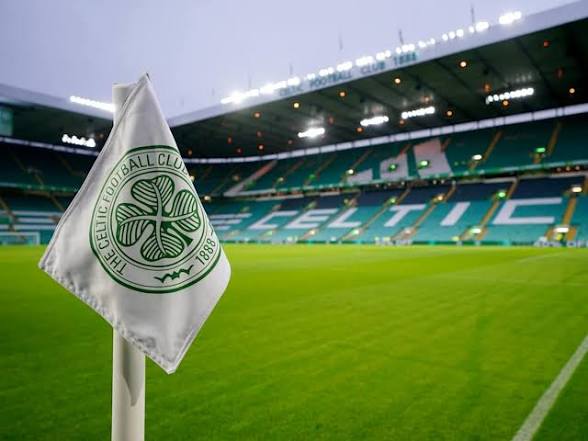
CELTIC RESPONSE TO RANGERS REQUEST FOR POINT DEDUCTION HAS BEEN THE MOST HEATED MOMENT IN FOOTBALL HISTORY
The escalating war of words between Celtic F.C. and Rangers F.C. over a proposed points deduction represents far more than a routine administrative dispute—it taps into the deep, historic rivalry that defines Scottish football. When a club formally pushes for punitive action against its fiercest rival, the situation inevitably transcends governance and enters the realm of identity, pride, and legacy.
Celtic’s response, described as one of the most heated in football history, reflects a club unwilling to accept what it perceives as targeted aggression. From their perspective, any attempt by Rangers to influence disciplinary measures raises questions about fairness and sporting integrity. Football associations, particularly bodies like the Scottish Professional Football League (SPFL), are expected to operate independently. When rival clubs appear to exert pressure, it fuels suspicion—not just among officials, but among supporters who already view decisions through a tribal lens.
Historically, the Old Firm rivalry has never been confined to the pitch. Political, cultural, and social undertones have always played a role, amplifying even minor disagreements into major flashpoints. This latest episode fits that pattern. What might ordinarily be a procedural matter—reviewing a potential breach and determining sanctions—has instead become a public spectacle, with both sides digging in.
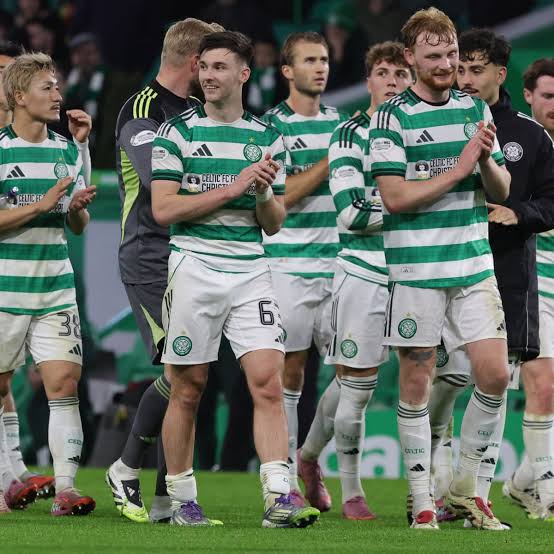
From a tactical standpoint, such disputes can have tangible consequences on performance. Players are rarely immune to off-field tensions. Dressing rooms become charged environments, with narratives of injustice or victimhood shaping mentality. For Celtic, a perceived external threat could galvanise the squad, fostering a siege mentality that drives performances. Conversely, it risks distraction, especially if uncertainty over points or standings lingers.
For Rangers, initiating or supporting a points deduction request carries its own risks. While it may be framed as upholding rules, it can also be interpreted as strategic gamesmanship—seeking advantage through administrative channels rather than purely sporting merit. This perception matters, particularly in a rivalry where credibility and moral high ground are fiercely contested.
Fan reactions, both in Scotland and globally—including strong followings in places like Nigeria—highlight how emotionally charged this situation is. Celtic supporters are likely to view the move as an attack on their club’s dignity, while Rangers fans may argue that rules must be enforced regardless of rivalry. Social media amplifies these divisions, turning debate into confrontation almost instantly.
Broader implications for Scottish football cannot be ignored. The SPFL’s handling of the situation will be scrutinised intensely. Any decision—whether to impose a deduction or dismiss the request—will inevitably anger one side. The challenge lies in maintaining transparency and consistency, ensuring that the process is seen as fair even if the outcome is controversial.
Ultimately, this episode underscores a fundamental truth about football rivalries: they are never just about the game. Celtic’s fiery response is not merely about points on a table—it is about defending reputation, resisting perceived injustice, and asserting dominance in one of football’s most storied rivalries. Whether this moment becomes a turning point or just another chapter in a long history of conflict will depend on how swiftly and fairly the situation is resolved.









Post Comment