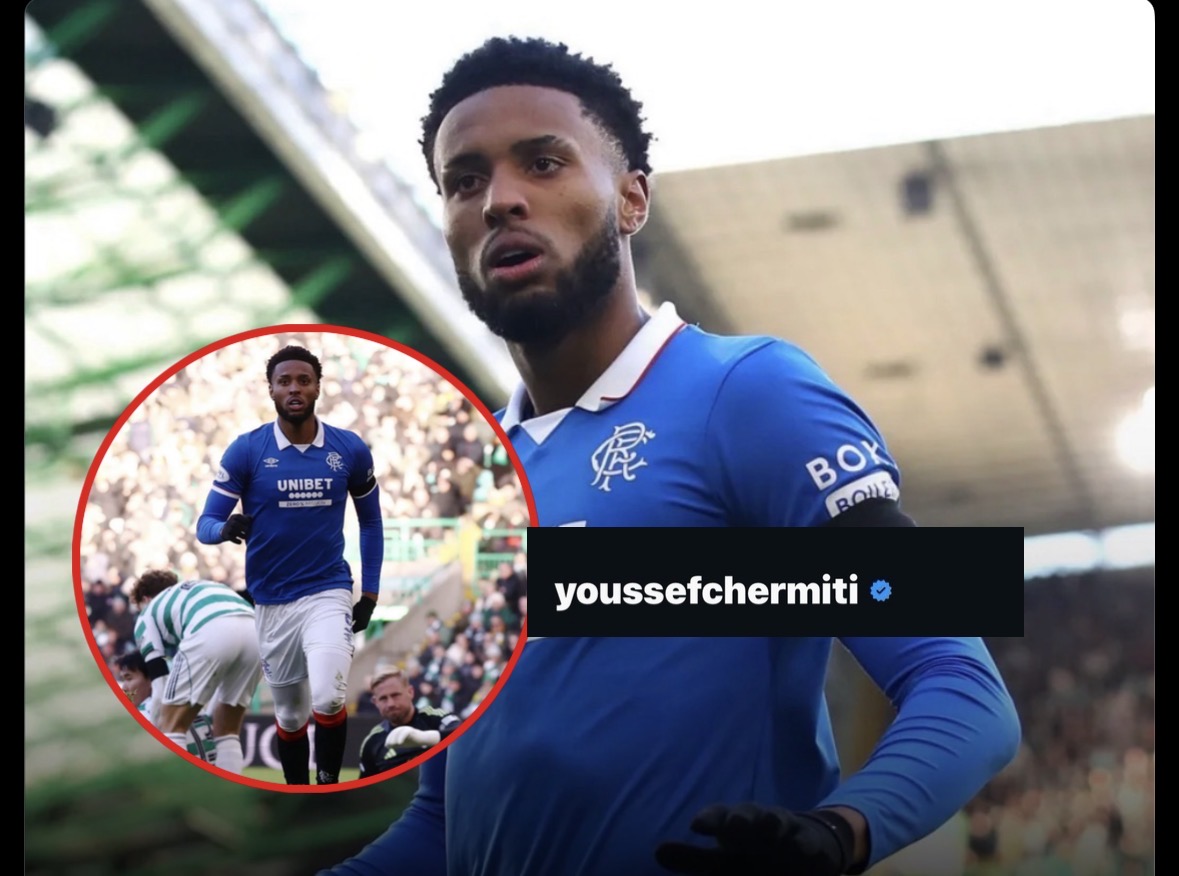
Celtic Fans Voice Frustration After Dundee United Defeat as Pressure Mounts on Underperforming Stars

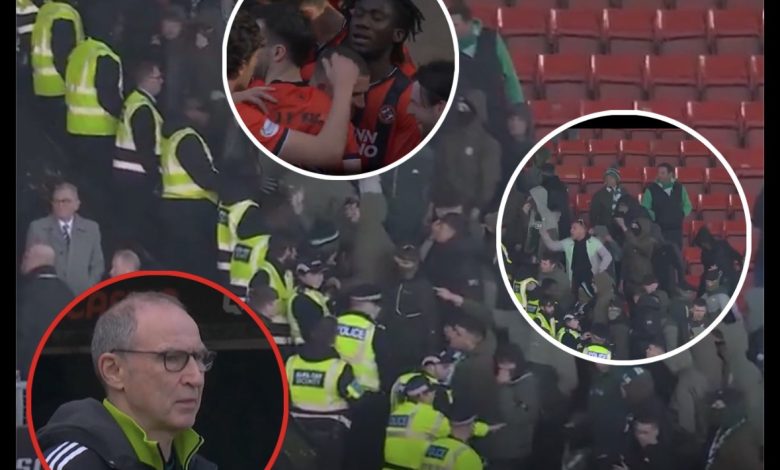
It was meant to be a routine outing for Celtic FC, a chance to reinforce their domestic authority and maintain momentum in the Scottish Premiership title race. Instead, the 2–0 defeat to Dundee United has ignited one of the most emotionally charged reactions from supporters this season.
From the stands to the touchline, frustration was impossible to ignore. Chants rang out clearly, directed not just at the players on the pitch but also toward the club’s hierarchy. The message was blunt, emotional, and deeply revealing: fans are losing patience—and they want accountability.
The fallout from this defeat goes beyond three dropped points. It has exposed underlying tensions within the squad, raised tactical questions, and placed individual performances under intense scrutiny. Most notably, it has triggered a growing debate about whether certain players still deserve a place at the club.
Match Timeline and Key Statistics
The match itself unfolded in a manner that will concern Brendan Rodgers and his coaching staff.
First Half:
Celtic began with controlled possession, dominating the ball with over 65% possession in the opening 30 minutes. However, as has become a recurring theme, possession did not translate into clear-cut chances. Dundee United remained compact defensively and capitalised on transitions.
- 27th minute: Dundee United opened the scoring with a swift counterattack, exploiting space behind Celtic’s advancing full-backs.
- Celtic registered just 1 shot on target in the first half despite 9 total attempts.
Second Half:
The pattern continued after the break. Celtic pushed higher up the pitch, leaving themselves vulnerable.
- 63rd minute: Dundee United doubled their lead from a set-piece situation, exposing Celtic’s defensive fragility.
- Celtic ended the match with:
- 68% possession
- 14 shots (only 3 on target)
- 0 goals
Meanwhile, Dundee United demonstrated clinical efficiency:
- 6 shots
- 3 on target
- 2 goals
From an Opta-style analytical perspective, the issue was not control—it was execution. Celtic controlled territory but failed in both boxes, which ultimately defines results at this level.
Tactical Analysis: Where It Went Wrong
From a tactical standpoint, this was a deeply troubling performance.
1. Lack of Penetration in Final Third
Celtic’s attacking structure relied heavily on wide play, but Dundee United defended narrow channels effectively. Crosses into the box were either overhit or easily cleared. There was a clear absence of movement between the lines, leaving the central striker isolated.
2. Defensive Vulnerability in Transition
Rodgers’ system requires aggressive full-back positioning, but the lack of midfield cover proved costly. Dundee United repeatedly exploited the spaces left behind, particularly on the flanks.
3. Set-Piece Weakness
The second goal highlighted ongoing issues with defensive organisation during set-pieces. Marking was loose, communication was lacking, and the reaction time was slow.
4. Individual Underperformance
Several players failed to meet expected performance levels. Decision-making in key moments was poor, and confidence appeared visibly low.
This combination of structural flaws and individual errors created the perfect storm—one that Dundee United exploited with discipline and efficiency.
Fan Reaction: Loud, Direct, and Unfiltered
The reaction from Celtic supporters was immediate and intense.
Inside the stadium, chants directed at both players and the board became increasingly vocal as the game slipped away. The message was not subtle:
- Calls for players to “leave the club”
- Frustration aimed at recruitment decisions
- Growing discontent toward the board’s long-term strategy
From a UK football culture perspective, this kind of reaction is not unusual—but the clarity and unity of the message stand out. When fans collectively turn their frustration toward specific individuals, it often signals a deeper issue within the squad dynamic.
Nigerian Fan Perspective
From a Nigerian football audience standpoint, the situation has sparked significant debate. Nigerian fans, known for their passionate support of their players abroad, are divided.
- Some argue that criticism is part of football at elite clubs.
- Others believe certain players are being unfairly targeted in a struggling system.
This dual perspective highlights the global nature of modern football fandom—where local club expectations intersect with international loyalty.
The Turning Point: Focus Shifts to One Player
As the dust settled and post-match analysis intensified, attention increasingly shifted toward one individual—an attacking player whose performances have come under scrutiny in recent weeks.
It is at this point that the conversation becomes unavoidable.
The Nigerian forward, Kelechi Iheanacho, has found himself at the centre of the storm.
Iheanacho’s Situation: Form, Fit, and Fan Expectations
The criticism directed at Iheanacho did not emerge overnight. Instead, it has been building gradually, driven by a combination of factors:
1. Lack of Consistent Output
For a forward at a club like Celtic, goals and assists are non-negotiable. Recent performances have seen limited goal contributions, which naturally draws scrutiny.
2. Tactical Misalignment
There is a growing argument that Iheanacho is not being utilised in his most effective role. Known for his link-up play and ability to operate just behind a striker, he has often been deployed in positions that limit his strengths.
3. Confidence Issues
Body language during matches suggests a player struggling for confidence. Missed chances and hesitation in key moments have only amplified fan frustration.
4. Fan Expectations vs Reality
Celtic fans expect immediate impact from attacking signings. When those expectations are not met, patience tends to wear thin quickly.
Is the Criticism Fair?
From an analytical standpoint, the situation is more complex than it appears.
Supporting Arguments:
- Performance levels have been below expectations.
- Other players in similar roles are delivering more consistently.
- Celtic’s ambitions demand high standards.
Counterarguments:
- The team’s overall structure has not supported attacking players effectively.
- Midfield creativity has been inconsistent, limiting service.
- Tactical adjustments may be needed before isolating individual blame.
In reality, the truth likely lies somewhere in between. Football is rarely about one player—but equally, individuals must take responsibility for their performances.
Broader Implications for Celtic
This situation raises several important questions for Celtic moving forward:
1. Recruitment Strategy
Are the club’s recent signings aligned with the manager’s tactical vision?
2. Squad Depth and Competition
Is there enough competition for places to maintain performance levels?
3. Managerial Decisions
Rodgers may need to reassess both formation and personnel choices to stabilise results.
4. Dressing Room Morale
Public criticism from fans can impact player confidence and dressing room dynamics. Managing this environment will be crucial.
What Happens Next?
The immediate response from Celtic will be critical.
- A strong reaction in the next fixture could help calm tensions.
- Continued poor performances may escalate fan unrest.
- Decisions regarding team selection will be closely scrutinised.
For Iheanacho, the path forward is clear but challenging:
- Deliver improved performances
- Adapt to tactical demands
- Rebuild confidence through consistency
Conclusion
The defeat to Dundee United may ultimately prove to be a turning point in Celtic’s season—not because of the result itself, but because of the reaction it triggered.
Fans have made their voices heard, loudly and unmistakably. The pressure is now on the players, the manager, and the board to respond.
For Kelechi Iheanacho, this moment represents both a challenge and an opportunity. Football careers are often defined by how players respond to adversity. The coming weeks will reveal whether he can rise to the occasion—or whether Celtic will be forced to make difficult decisions.
What is certain is this: at a club like Celtic, expectations never drop. And when performances fall short, the response—from fans and media alike—is always swift, passionate, and impossible to ignore.