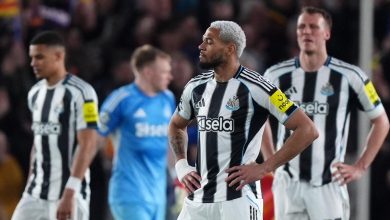
The highly anticipated Champions League clash between Newcastle United and Barcelona, scheduled as the first leg of their Round of 16 tie at St James’ Park on March 10, 2026, has been postponed following the sudden and tragic death of a key member of one of the clubs’ medical teams.
In a development that has shocked the football world, the match—poised to pit the resilient Magpies against the star-studded Catalan giants—will no longer go ahead as planned, with both clubs and UEFA uniting in grief over the loss.
The postponement comes amid reports that the incident involves the untimely passing of a team doctor closely associated with preparations for this European showdown, leaving players, staff, and supporters from both sides devastated and reflective about the fragility of life beyond the pitch.
Football has always been more than just a game; it is a community bound by passion, rivalry, and shared human experiences. Moments like this remind everyone involved that even in the high-stakes environment of elite competition, personal tragedies can overshadow sporting spectacle.
The news broke in the lead-up to what promised to be one of the most intriguing ties of the knockout stages. Newcastle, having secured their place in the last 16 through a gritty campaign in the revamped Champions League format, were set to host Barcelona in what many saw as a classic underdog story against one of Europe’s traditional powerhouses.
The Magpies, under their current management, have built a formidable home record at St James’ Park, where the raucous atmosphere often turns matches into intimidating affairs for visiting teams. Barcelona, meanwhile, arrived in strong form, topping their domestic league and boasting a squad brimming with world-class talent capable of dismantling defenses on any given night.
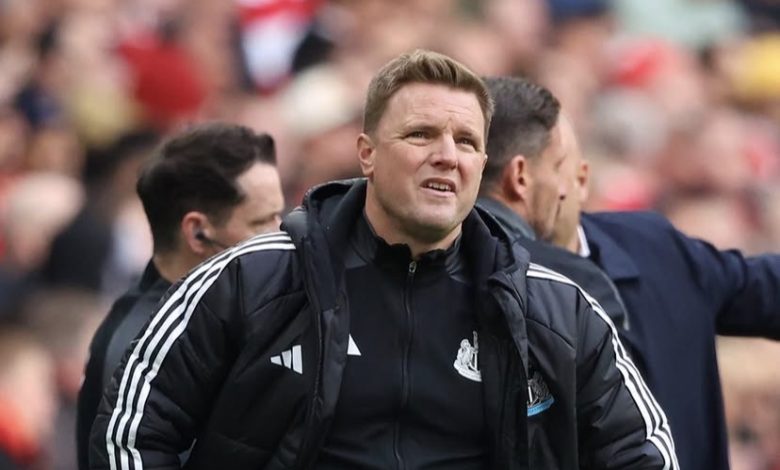
Preparations for the fixture had been intense on both sides. Newcastle’s players spoke openly in the days leading up to the game about the excitement of facing such illustrious opponents on home soil, with the tie representing a chance to prove their credentials on the continental stage once more. For Barcelona, the match carried significance as part of their pursuit of silverware across multiple fronts, with their manager emphasizing tactical discipline and attacking flair to overcome any potential threats from Eddie Howe’s energetic side.
Travel arrangements, training sessions, and media obligations had all been aligned for the Tuesday evening kickoff, with fans from both clubs booking flights, hotels, and tickets in anticipation of a memorable European night under the lights.
Then came the heartbreaking announcement. Sources close to the situation described a sudden medical emergency that claimed the life of the team doctor, a dedicated professional who had been integral to the well-being of the squad in the build-up to this crucial encounter.
The individual, respected for their expertise, commitment, and calm presence in high-pressure environments, passed away unexpectedly, sending ripples of sorrow through the dressing room and beyond. While details surrounding the exact circumstances remain limited out of respect for privacy and ongoing processes, the impact was immediate and profound.
Club statements expressed profound sadness, highlighting the doctor’s contributions over years of service and the void left in the wake of their departure.
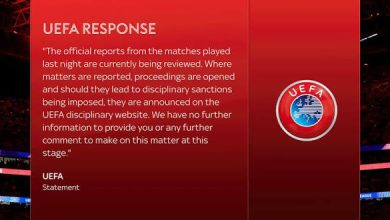
In the aftermath, the decision to postpone was made swiftly and unanimously. UEFA, in consultation with both clubs, prioritized compassion and respect over the fixture calendar.
Postponing a Champions League knockout match is no small matter—scheduling conflicts, broadcast commitments, player availability, and the integrity of the competition all come into play—but in this instance, there was no debate. Football authorities recognized that forcing the game to proceed would be insensitive and inappropriate, allowing time for mourning, support for those affected, and eventual rescheduling when emotions have settled somewhat. The new date is expected to be confirmed soon, likely shifting the tie by a week or more to accommodate recovery and logistics.
The football community has rallied in response, with tributes pouring in from across the globe. Players from both Newcastle and Barcelona have shared messages of condolence on social media, many posting black-and-white images or simple words of solidarity.
Supporters, too, have shown remarkable unity, with Newcastle fans expressing sympathy for their counterparts and Barcelona’s traveling faithful acknowledging the shared grief. Rivalries that typically define such occasions have been set aside in favor of humanity, a testament to the deeper bonds that football fosters even among competitors.
This is not the first time a tragedy has interrupted the sport’s rhythm. History offers painful precedents: matches halted or postponed due to sudden losses, whether of players, staff, or even fans in stadium incidents. Each case reinforces the idea that while the beautiful game provides escape and joy, it cannot insulate against real-world sorrow.
The doctor’s role, often unseen but vital, involves not just treating injuries but building trust, offering reassurance, and ensuring athletes can perform at their peak. Losing someone in that position strikes at the heart of a team’s ecosystem, disrupting routines and forcing reflection on priorities beyond wins and losses.
For Newcastle United, the postponement adds another layer to what has already been a rollercoaster season. The club has navigated financial challenges, squad rebuilding, and the demands of competing on multiple fronts. Hosting Barcelona represented a pinnacle moment, a reward for their resurgence and a chance to showcase St James’ Park’s magic to a global audience.
Now delayed, the fixture’s anticipation lingers, but tempered by sadness. Players will need to process the news, draw strength from one another, and refocus when the time comes. Manager Eddie Howe, known for his empathetic leadership, is likely guiding the group through this difficult period with care and understanding.
Barcelona, too, feel the weight of the loss. Their squad, filled with young stars and experienced campaigners, has spoken of the doctor’s influence in maintaining physical and mental readiness.
The Catalan club has a proud tradition of community and family values, and this tragedy hits hard at a time when they are chasing success on all cylinders. The players, many of whom form tight-knit bonds with support staff, will carry the memory forward, perhaps channeling it into renewed determination when the tie eventually takes place.
As the football world awaits the rescheduled date, conversations turn to broader themes: the importance of mental health support in elite sport, the pressures on medical teams who work tirelessly behind the scenes, and the need for better resources to prevent burnout or undetected issues. Tragedies like this spark calls for change, ensuring that those who care for athletes receive the same level of attention they provide.
In the end, the Newcastle vs Barcelona Champions League clash will happen—it must, as the competition demands resolution—but it will carry an added layer of poignancy. When the teams finally take the field, expect moments of silence, armbands in remembrance, and perhaps a dedication of performance to the memory of the departed doctor. Football will resume, as it always does, but not unchanged. The grief unites rivals in a shared humanity, reminding all that behind every headline, every goal, and every roar of the crowd are people whose lives matter far beyond the final whistle.
The postponement is a somber chapter in what promised to be an exhilarating tie. Yet it also underscores football’s capacity for empathy and solidarity. In uniting in grief, Newcastle and Barcelona demonstrate that even in competition, compassion prevails. The match will be played, but the memory of the team doctor—and the respect shown in halting the spectacle—will endure long after the result is forgotten.