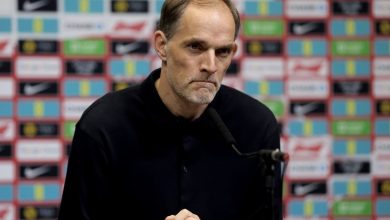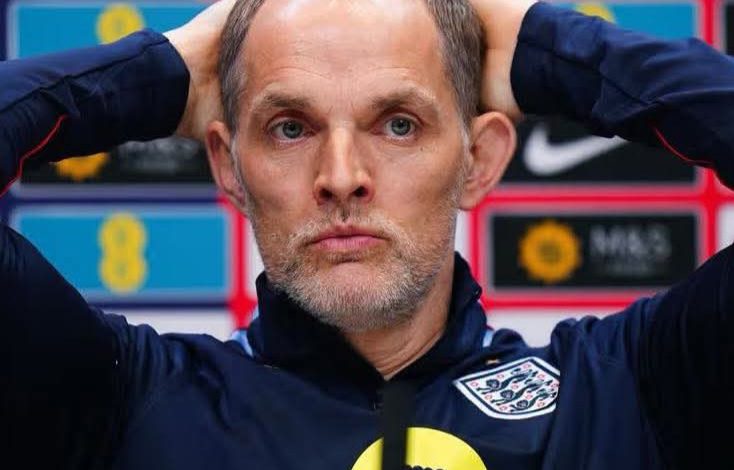
**Bronze or Bust? The High-Stakes Pressure on Thomas Tuchel as England Battles for World Cup Third Place**
In the unforgiving world of international football, where glory is measured in trophies and failure is rarely forgiven, England’s national team finds itself at a crossroads following a heartbreaking semi-final exit at the 2026 FIFA World Cup. The Football Association (FA) has reportedly delivered a clear, if unofficial, message amid mounting scrutiny: deliver at least a bronze medal in the third-place playoff against France, or face intensified questions about Thomas Tuchel’s future. While the FA has publicly backed the German coach to lead the team through to Euro 2028 on home soil, the narrative of “Win the bronze or get sacked” has captured the imagination of fans and pundits alike, reflecting the intense pressure on a manager tasked with ending decades of near-misses for the Three Lions.
This comprehensive analysis delves into the context of Tuchel’s tenure, England’s turbulent 2026 campaign, the dramatic semi-final loss to Argentina, the significance of the upcoming bronze medal match, the FA’s strategic patience, fan reactions, tactical debates, and the broader implications for English football’s ambitions.
### Tuchel’s Appointment and Early Promise
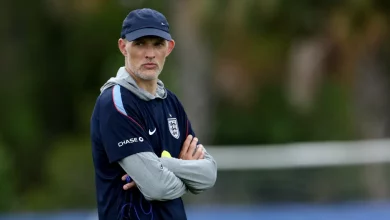
Thomas Tuchel’s journey with England began in early 2025, succeeding Gareth Southgate after another tournament exit that left the nation yearning for a more dynamic approach. The former Chelsea and Paris Saint-Germain boss arrived with a reputation as a tactical innovator, a serial winner of domestic titles, and a motivator capable of extracting the best from star-studded squads. The FA, under chief executive Mark Bullingham, saw Tuchel as the “anti-Southgate” — a pragmatic yet attacking-minded coach who could finally bridge the gap between England’s talented generation and major tournament success.
His contract, extended earlier in 2026, was designed to provide stability through Euro 2028, co-hosted by England and other home nations. Initial results were promising. Tuchel instilled a higher defensive line, greater pressing intensity, and fluidity in attack that saw England top their qualification groups with authority. Players like Jude Bellingham, Phil Foden, Declan Rice, and Harry Kane praised the professional yet demanding environment he created. Supporters warmed to his no-nonsense media presence and visible passion on the touchline.
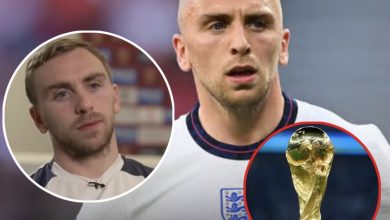
However, cracks appeared as the World Cup approached. Critics pointed to squad selections that appeared overly cautious or experimental, with some veterans and emerging talents feeling sidelined. Former Watford striker Troy Deeney famously warned that fielding what he called a “B-team” would be a “sackable offence” unless silverware was delivered.
### England’s 2026 World Cup Campaign: Progress Amid Controversy
England entered the 2026 tournament as one of the favorites, buoyed by a golden generation of players in their primes. The group stage was navigated comfortably, though not without moments of frustration. Tuchel’s preference for a 4-2-3-1 or hybrid 3-4-3 system drew praise for its balance but criticism when conservative substitutions or defensive setups led to narrow wins rather than dominant performances.
The knockout stages brought both ecstasy and agony. Memorable victories showcased Bellingham’s midfield mastery, Kane’s clinical finishing, and the emergence of younger talents like Kobbie Mainoo. Yet, defensive vulnerabilities surfaced against stronger opponents, with set-piece frailties and late-game lapses becoming recurring themes.
The semi-final against Argentina in Atlanta proved the ultimate test. England led late in a pulsating encounter but conceded twice in the dying minutes, falling 2-1 in heartbreaking fashion. The match encapsulated Tuchel’s reign: moments of tactical brilliance undone by individual errors and a perceived lack of cutting-edge ruthlessness in big moments. Argentina, led by a still-influential Lionel Messi or his successors, capitalized on England’s fatigue and defensive disorganization.
Post-match, Tuchel was visibly emotional. In press conferences, he acknowledged the pain but emphasized the progress made since taking over. “We gave everything to be in the final,” he noted, while addressing the upcoming third-place playoff against France with realism: many players were reluctant to feature, viewing it as a consolation rather than redemption.
### The Bronze Medal Playoff: Symbol of Pride or Pointless Exercise?
The third-place match against France on Saturday carries symbolic weight. A win would secure England’s first World Cup medal since 1966 and provide a narrative of resilience. A loss, however, risks amplifying calls for change.
Historically, third-place games have divided opinions. Some see them as valuable experience and a chance to reward squad depth; others view them as meaningless when the ultimate prize has slipped away. Tuchel himself has hinted at rotation, mindful of player welfare and the emotional toll. France, similarly disappointed after their own semi-final exit, will be motivated to end their campaign on a high.
For Tuchel, the fixture represents an opportunity to demonstrate adaptability. A strong performance could silence some critics and bolster his case for continued support. Failure, especially if accompanied by lackluster play, might fuel the “bronze or bust” rhetoric, even if the FA remains committed.
### The FA’s Stance: Patience Over Panic
Despite the semi-final collapse, the FA has no immediate plans to sack Tuchel. Multiple reports confirm the governing body’s full backing, with Bullingham praising the effort of players and staff. “It is heartbreaking to be so close,” the chief executive stated, underscoring belief in Tuchel’s project.
This decision reflects strategic thinking. Sacking a manager mid-cycle after reaching the semi-finals would be disruptive, especially with Euro 2028 on the horizon at home. The FA invested heavily in Tuchel, passing on other candidates like Ole Gunnar Solskjaer or even speculative links to Pep Guardiola. A performance review is standard, but expectations point to continuity rather than upheaval.
Critics argue this patience borders on complacency. England has now endured another major tournament without lifting the trophy, extending a drought that frustrates a football-mad nation. Pundits like Piers Morgan and Nicky Butt have been vocal, with Butt even suggesting players consider boycotting the bronze match due to perceived mismanagement.
### Tactical Analysis and Lingering Questions
Tuchel’s tactics have been a double-edged sword. His high-pressing style and emphasis on positional play have improved England’s build-up from the back, but execution in the final third has often lacked cohesion. Against Argentina, conservative decision-making in key moments drew ire. Why not introduce fresh attackers earlier? Was the midfield balance right?
Supporters of Tuchel highlight injuries, fixture congestion, and the quality of opposition. England’s squad depth is enviable, yet integrating it seamlessly remains a challenge. Comparisons to past managers are inevitable: Southgate reached a final and semi-finals but faced similar “nearly men” accusations. Tuchel was hired to go one step further — has he delivered enough?
Player feedback has been largely positive, citing improved culture and clarity. Yet, public spats or selection controversies have occasionally surfaced, testing squad harmony.
### Fan and Media Reactions: A Nation Divided
English football fans are notoriously passionate. Social media erupted after the Argentina defeat, with #SackTuchel trending alongside calls for patience. Some celebrate reaching the last four as progress; others see it as another failure in a cycle of underachievement.
Media coverage reflects this divide. Tabloids amplify the drama with headlines echoing the user’s prompt, while broader analyses emphasize long-term development. The “bronze or get sacked” framing, while hyperbolic, encapsulates the zero-sum mentality in elite sport.
Internationally, Tuchel’s German nationality adds a layer of intrigue (and occasional tension), though his professionalism has largely won respect.
### Historical Context: England’s Tournament Curse
England’s World Cup record since 1966 is one of perennial underachievement relative to expectations. Semi-final appearances in 1990, 2018, and now 2026 highlight consistent competitiveness but a glass ceiling in finals. Factors include club-vs-country pressures in the Premier League, tactical evolution, and psychological burdens.
Tuchel’s challenge mirrors that of predecessors: harnessing talent in a condensed tournament format. Success in the bronze match would provide a psychological boost heading into Euro 2028, where home advantage could be decisive.
### Looking Ahead: Euro 2028 and Beyond
Assuming Tuchel remains, the focus shifts to qualifying and preparation for the home Euros. A bronze medal would serve as a foundation; anything less intensifies scrutiny. The FA must balance short-term results with sustainable growth — investing in youth, coaching pathways, and infrastructure.
Key questions remain: Can Tuchel evolve his tactics further? Will key players like Kane extend their international careers? How does the squad refresh for 2028?
Broader issues loom for English football: addressing diversity, fan engagement, and the financial disparities that affect grassroots development.
### Conclusion: Pressure Defines Greatness
The phrase “Win the bronze or get sacked” may not be official FA policy, but it perfectly distills the expectations placed on Thomas Tuchel and England. As the team prepares for France in the third-place playoff, the match transcends a mere consolation — it is a statement of intent, resilience, and ambition.
Tuchel has the FA’s backing for now, but football is results-driven. A victory would validate his methods and quiet doubters; defeat would amplify calls for change. Either way, this chapter underscores the beautiful brutality of the sport: progress is measured not just in reaching semi-finals, but in seizing every opportunity for silverware.
England’s golden generation deserves a happy ending. Whether Tuchel delivers it remains the central drama of the coming years. For a nation that has waited 60 years for another major triumph, bronze might feel like a stepping stone — or the latest chapter in glorious failure. The coming days, months, and tournaments will tell.