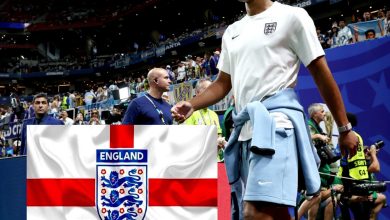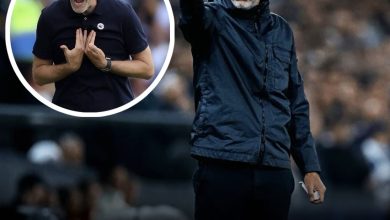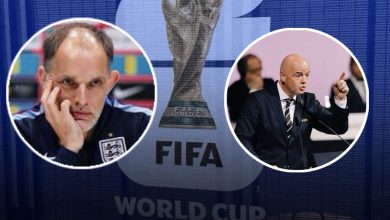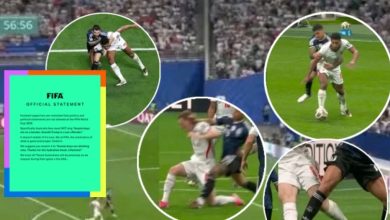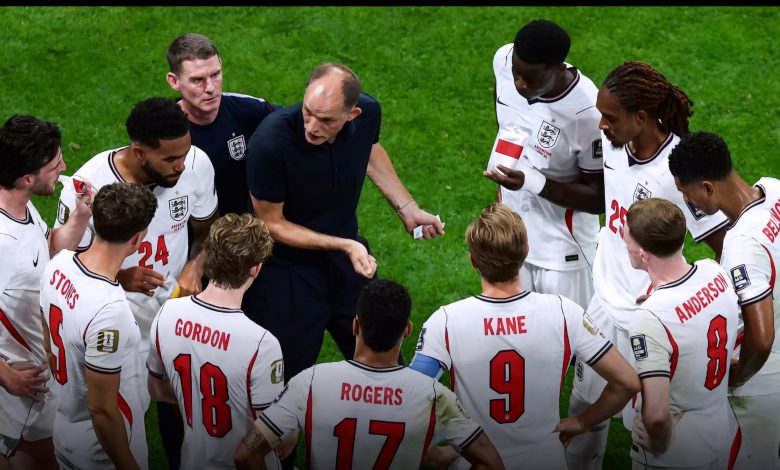
In a stunning escalation of tensions within the England national team camp, one of the country’s brightest World Cup stars has reportedly refused to board the official team jet, declaring “I’m not flying with them!” following a heated dressing room confrontation with manager Thomas Tuchel. The explosive incident, which sources describe as a “brutal blow-up,” has sent shockwaves through the English football establishment and threatens to derail preparations in the aftermath of a disappointing World Cup campaign.
This is not just another training ground spat. According to multiple insiders speaking on condition of anonymity, the clash occurred in the immediate hours after England’s semi-final exit to Argentina, exposing deep fractures in squad morale, tactical philosophy, and player-coach relationships. What began as a frustrated debrief quickly spiraled into a full-blown mutiny, with the unnamed superstar—widely speculated to be a key attacking figure central to England’s hopes—storming out and arranging alternative travel arrangements.
The Backdrop: A Tournament of High Hopes and Harsh Realities
England entered the 2026 World Cup in the United States with renewed optimism under Thomas Tuchel. The German tactician, appointed after a string of managerial upheavals, promised a blend of tactical discipline and attacking flair that would finally deliver the trophy that has eluded the Three Lions since 1966. With stars like Harry Kane, Jude Bellingham, Bukayo Saka, and a host of Premier League talents, expectations were sky-high. The squad touched down in Miami amid fanfare, with Tuchel emphasizing unity and a “no excuses” mentality.
However, the tournament unfolded differently. England navigated the group stages with a mix of gritty wins and uninspiring draws, drawing criticism for overly cautious setups. The knockout rounds brought more drama: narrow victories tempered by concerns over creativity and squad depth. The semi-final against Argentina in Atlanta proved the tipping point. Tuchel’s decision to shift to a hyper-defensive posture with over half an hour remaining, despite holding a lead, drew widespread condemnation. Argentina capitalized, securing a 2-1 victory that ended England’s dreams.
Post-match analysis was ruthless. Former players and pundits lambasted Tuchel for negative tactics and questioned selections, including the omission of technically gifted midfielders and attackers like Phil Foden. Reports highlighted player frustration with limited attacking freedom and rigid instructions. Altitude adjustments, fitness concerns, and internal debates about “English football’s DNA” added layers of complexity.
It was in this pressurized environment that the dressing room eruption occurred.
The Incident: A Brutal Blow-Up Unfolds
Eyewitness accounts paint a vivid picture of chaos. As players processed the semi-final defeat, emotions ran high. The star player, exhausted and visibly angry, confronted Tuchel over tactical calls that he believed cost the team the match. Voices were raised. Accusations flew. According to sources close to the camp, the player shouted about feeling “betrayed” by conservative substitutions and a lack of trust in the squad’s attacking talent.
Tuchel, known for his intense, no-nonsense style, reportedly pushed back, defending his decisions as necessary for game management. The exchange escalated rapidly. Teammates attempted to intervene, but the damage was done. The player, red-faced and defiant, allegedly declared he would not travel with the team, uttering the now-infamous line: “I’m not flying with them!”
Within minutes, arrangements were made for private transport. The rest of the squad boarded the official jet amid an awkward silence, while the FA scrambled to contain the story. Team officials have downplayed the event as “passionate discussion,” but leaks suggest it was far more acrimonious.
This isn’t the first sign of friction. Earlier in the tournament, there were reports of a spat involving Jude Bellingham and questions about player availability due to fitness. Tuchel had also addressed altitude effects and squad withdrawals, underscoring the physical and mental toll.
Who Is the Star Player? Speculation Runs Wild
While the FA has not confirmed identities, football circles are buzzing with names. Candidates include high-profile attackers or midfield dynamos who have clashed with management styles in the past. The player’s refusal to fly with the team points to someone with significant leverage—likely a established international with club-level influence and commercial power.
Insiders note that the individual has been pivotal in England’s qualifying and tournament runs, delivering moments of magic that masked deeper structural issues. His absence from group flights would not only be a logistical headache but a symbolic rejection of Tuchel’s leadership.
Social media has exploded with theories. Hashtags like #EnglandDrama and #TuchelOut trended immediately, with fans divided between supporting the player’s stance against “negative football” and criticizing it as unprofessional.
Tuchel’s Response and the FA’s Dilemma
Thomas Tuchel addressed the media briefly, emphasizing focus on “moving forward” and praising the squad’s overall commitment. However, his body language suggested underlying strain. In previous press conferences, Tuchel has defended his tactics robustly, blaming aspects of English football culture for shortcomings.
The Football Association finds itself in a precarious position. With the tournament over and a period of reflection ahead, they must navigate player power, public scrutiny, and the risk of further fractures. Historically, England camps have seen bust-ups—think the “Golden Generation” tensions or previous managerial clashes—but a public jet refusal elevates this to new levels of visibility.
Potential consequences include fines, disciplinary action, or even calls for Tuchel’s position to be reviewed. Conversely, if the player is seen as a truth-teller highlighting valid concerns, it could galvanize support for squad changes.
Broader Implications for English Football
This incident highlights systemic issues plaguing the national team. Despite a rich talent pool in the Premier League, England continues to underperform at major tournaments relative to expectations. Tactical rigidity, player-coach disconnects, and media pressure create a volatile mix.
Analysts point to several factors:
– **Tactical Philosophy Clash**: Tuchel’s German precision versus the more fluid, attacking instincts of English players.
– **Squad Selection Controversies**: Omissions and substitutions that left key creatives sidelined.
– **Mental and Physical Strain**: World Cup demands, including travel and altitude, exacerbate tensions.
– **Player Empowerment**: Modern stars, influenced by club environments and social media, are less tolerant of perceived mismanagement.
The refusal to fly symbolizes a breakdown in trust. In team sports, unity is paramount; when a star opts out of shared travel, it signals deeper rifts that could affect future qualification and tournaments.
Former England captains have weighed in, with some urging calm and others calling for accountability. Pundits on platforms like Sky Sports have dissected the event, linking it to post-match comments and dressing room atmosphere.
Player Perspectives and Anonymous Leaks
Multiple sources within the camp reveal a squad split. Some players back Tuchel’s methods, appreciating the structure he brings. Others feel stifled, yearning for more expressive play. The star’s stand has reportedly resonated with several teammates privately, though public support remains muted due to professional repercussions.
One anonymous player told reporters: “We all felt the frustration. The boss has his ideas, but sometimes you need to trust the players on the pitch.”
Club managers are also watching closely. Premier League sides rely on these players and worry about the impact on morale and fitness upon return.
The Road Ahead: Reconciliation or Reckoning?
As the dust settles, negotiations for reconciliation are likely underway. Tuchel’s contract and future with England will face intense review. The player in question may issue a statement or face internal discipline, but his influence could force tactical or personnel shifts.
For fans, this drama adds to the soap opera of English football. Will it inspire positive change—better preparation, more flexible tactics—or deepen divisions heading into the next Euros or qualifiers?
The 2026 World Cup exit, combined with this blow-up, marks a watershed moment. England must address not just on-pitch strategies but the culture within the camp. Trust, communication, and shared vision are essential if the Three Lions are to roar again.
Historical Context: England’s Turbulent Camp History
England has a long tradition of internal conflicts. From the 1990s “dentist chair” incidents to more recent managerial sackings, drama is never far away. What sets this apart is the immediacy and public nature amplified by modern media and player profiles.
Comparisons to other national teams—such as dressing room issues in France or Spain—suggest it’s a universal challenge, but England’s unique pressure cooker (expectation, media, history) magnifies it.
Expert Analysis: What Needs to Change?
Football experts recommend several steps:
1. Enhanced psychological support and conflict resolution training.
2. More inclusive decision-making involving senior players.
3. Balanced tactical approaches blending defense with creativity.
4. Improved recovery protocols for international breaks and tournaments.
5. Transparent communication to manage expectations.
Tuchel, with his experience at elite clubs like Chelsea and PSG, has the tools but must adapt to the English context.
Fan Reactions and Social Media Storm
Social media has been unforgiving. Supporters are split: one camp demands the player’s identity and punishment, another hails him as a hero against “boring football.” Memes, polls, and conspiracy theories abound. Merchandise mocking the jet refusal has even appeared online.
This engagement keeps England relevant but adds pressure on all parties.
Conclusion: A Defining Moment for Tuchel and England
The words “I’m not flying with them!” may echo as a turning point. Whether it leads to Tuchel’s downfall, player reforms, or eventual triumph remains to be seen. English football stands at a crossroads—clinging to old ways or evolving for future glory.
As the squad disperses for club duties, the focus shifts to healing wounds and rebuilding. One thing is certain: the dressing room blow-up and jet snub have exposed vulnerabilities that can no longer be ignored. The world will be watching England’s next steps closely.