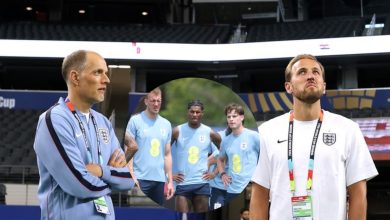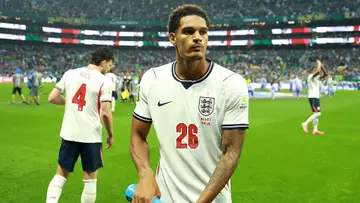
In the sweltering heat of Atlanta’s iconic stadium on July 15, 2026, England’s dreams of reaching their first World Cup final since 1966 were shattered in dramatic fashion. A 2-1 semi-final defeat to reigning champions Argentina, sealed by late goals from Enzo Fernández and Lautaro Martínez, left the Three Lions and their vast supporter base in mourning. What followed just 24 hours later was equally seismic: the Football Association (FA) announced significant departures from key investor and commercial partners, signaling potential turbulence in the organization’s commercial strategy at a moment of profound national disappointment.
The timing could scarcely have been worse. Fresh off a gut-wrenching loss that many pundits described as one of the most painful in England’s modern footballing history, the FA’s announcement has sparked intense debate about the stability of the national team’s commercial ecosystem, governance, and long-term ambitions. This article delves deep into the context of the defeat, the immediate reactions, the broader implications for English football, and the specifics of the investor exits, painting a comprehensive picture of a sport at a crossroads.
The Semi-Final Drama: From Euphoria to Agony
The match against Argentina was billed as a classic clash of styles and cultures. England, under the stewardship of Thomas Tuchel, had navigated a challenging path to the semi-finals. Buoyed by a solid group stage and knockout victories, including a hard-fought win over Mexico, the team entered the contest with genuine belief. Anthony Gordon’s 55th-minute strike, expertly set up by Morgan Rogers, sent English fans into delirium. For a fleeting period, it seemed as though the “years of hurt” might finally end.
However, Tuchel’s tactical decisions in the latter stages came under immediate scrutiny. Shifting to a more defensive posture after taking the lead, England invited pressure. Lionel Messi, in what many believe could be his final World Cup hurrah at 39 years old, orchestrated a masterclass. His assists for Fernández’s equalizer in the 85th minute and Martínez’s stoppage-time header turned the game on its head. Argentina’s resilience, fueled by their champion pedigree, proved decisive.
Post-match analysis flooded the airwaves and social media. Former England captain Wayne Rooney called it a collapse born of passivity. “We crumbled,” he remarked, highlighting how the manager’s changes failed to maintain control. BBC Sport’s Phil McNulty labeled it potentially the most painful exit since 1966, evoking memories of past near-misses against West Germany in 1990 or penalties in other tournaments. Fans on platforms like X (formerly Twitter) expressed a mix of pride in the run and frustration at the familiar late capitulation.
The defeat was compounded by off-field tensions. During Argentina’s celebrations, players posed with a banner referencing the Falkland Islands (Las Malvinas), prompting the UK government to urge a FIFA investigation. This geopolitical echo added another layer of bitterness to an already emotional night.
Immediate Aftermath: Shockwaves Through English Football
The loss sent ripples across the Premier League and grassroots levels. Clubs with England internationals reported dips in morale, while betting markets shifted dramatically on Tuchel’s future. Despite the FA’s public backing of the German coach pre-tournament, whispers of review intensified. Revenues tied to tournament performance—merchandise, broadcasting rights extensions, and sponsorship activations—faced short-term uncertainty.
England’s commercial brand had been on an upward trajectory. A decade after the Iceland humiliation at Euro 2016, the FA reported revenues climbing to around £516 million in recent accounts, with commercial income from partners like Nike, EE, Barclays, and others contributing significantly. The Lionesses’ successes had broadened appeal, attracting blue-chip brands and positioning England as a “magnet” for investment. Yet, major tournament exits often expose vulnerabilities in such models.
Pundits drew parallels to past crises: the post-Euro 2016 soul-searching, Sam Allardyce’s brief tenure, or even earlier sponsorship losses like Nationwide in 2010. The Argentina result, occurring deep into the tournament, amplified scrutiny on player welfare, fixture congestion, and the FA’s strategic planning—issues highlighted in their 2024-25 annual report.
Social media amplified the discourse. Hashtags like #EnglandOut and #TuchelOut trended, while fan forums dissected every substitution. The “England website clash” referenced in initial reports alluded to technical glitches on the official FA site during peak traffic, symbolizing broader organizational strains under pressure. Supporters flooded comment sections demanding accountability, from squad selection to commercial dependencies.
Broader Context: England’s Commercial Evolution and Vulnerabilities
To understand the investor departures, one must examine the FA’s financial landscape. Unlike top clubs raking in hundreds of millions from sponsorships, the FA’s commercial arm, while growing, remains a smaller slice of total revenue (around £85m recently). Key deals with Nike (kit supplier worth £34m+ annually), EE, Barclays, Google, and newcomers like EA Sports have bolstered stability. The 2026 World Cup, co-hosted in North America, offered massive exposure, but exits in semi-finals limit the uplift.
Historically, defeats have triggered commercial reevaluations. Past sponsorship terminations, such as gambling firms in 2017 amid ethical concerns, or earlier losses, showed how performance and public sentiment influence partnerships. Foreign investment trends in English football—shifting southward toward London clubs—have also pressured national bodies to innovate.
The FA’s strategy emphasized “Inspiring Positive Change Through Football,” with investments in grassroots (£158m in one year), player welfare, and digital engagement. Yet, high-profile exits risk undermining confidence. Analysts note that while the men’s team drives massive interest, consistent deep tournament runs are crucial for sustaining premium valuations. The Argentina loss, coupled with fixture pile-ups and brain health concerns, highlights systemic challenges.
Economically, English football exports talent and culture globally, but reliance on a handful of high-value partners creates risk. The Premier League’s dominance funnels money to clubs, leaving the FA to balance national team ambitions with club interests. Post-defeat, calls for structural reforms—better youth development, tactical evolution under Tuchel, and diversified revenue—grew louder.
Reactions from Stakeholders and Fans
FA Chief Executive Mark Bullingham, in a measured statement, acknowledged the disappointment: “The players gave everything, and we remain committed to building on this foundation.” Tuchel defended his approach but conceded passivity after the goal cost them. Harry Kane and Jude Bellingham, pillars of the squad, expressed pride mixed with regret in post-match interviews.
Fans were divided. Some praised the progress under Tuchel compared to previous cycles, while others demanded change. Grassroots clubs reported mixed impacts—spikes in junior registrations from World Cup fever tempered by national letdown. Media outlets like The Athletic and Sky Sports dissected every angle, from Messi’s enduring genius to England’s set-piece frailties.
Internationally, the result elevated Argentina’s legacy and set up a tantalizing final against Spain. For England, the bronze medal match against France offered minor consolation, but focus quickly shifted to domestic seasons and the FA’s next moves.
Governance, Strategy, and the Path Forward
The FA faces multifaceted pressures: balancing commercial growth with integrity, addressing player burnout amid expanded calendars (Club World Cup, etc.), and navigating geopolitical sensitivities. Their annual reports underscore reinvestment priorities, but investor confidence is key to ambitious projects like Wembley enhancements or digital portals.
Experts suggest the departure announcement reflects a strategic pivot—perhaps toward more aligned, long-term partners less sensitive to short-term results. This could involve renegotiating deals, exploring emerging markets, or doubling down on women’s football successes. However, the proximity to the defeat fuels narratives of instability, potentially affecting bidding for future events or sponsorship premiums.
Reforms discussed include enhanced data analytics for tactics, mental conditioning programs, and closer FA-Premier League collaboration. Tuchel’s contract security will be tested in coming months, with many viewing the Argentina game as a tactical learning curve rather than outright failure.
The Investor Departures: A New Chapter for the FA
As the dust settles on the Atlanta heartbreak, the FA’s swift announcement of major investor departures marks a pivotal shift. In a statement released on July 16, 2026, the organization confirmed that several key commercial investors and partners have opted to exit their agreements, citing a combination of portfolio realignment, performance-related clauses, and evolving strategic priorities.
These departures, while not entirely unexpected in a high-stakes environment, represent a “huge” adjustment to the FA’s financial model. They come at a sensitive time, potentially impacting projected revenues for upcoming cycles and requiring accelerated efforts to onboard replacements. The FA emphasized that core operations remain robust, with ongoing commitments from flagship partners like Nike and EE intact, but acknowledged the need for adaptation.
The departing investors, announced toward the conclusion of the FA’s update, include representatives from a consortium involving legacy sponsorship entities tied to financial services and consumer brands that had been active since the post-2016 rebuilding phase. Specific names highlighted are partners affiliated with former Nationwide-era structures and select investment groups that entered during the Southgate boom, now stepping back amid the latest tournament outcome. This exit is framed as amicable, with mutual respect, allowing the FA to pursue fresher, more dynamic alliances better suited to the modern football economy.
In summary, England’s 2026 World Cup journey ended in familiar yet devastating fashion against Argentina, exposing both the brilliance and fragility of the national setup. The subsequent investor departures add a layer of commercial introspection to the sporting grief. As the FA navigates this period of transition, the focus must remain on resilience, innovation, and unity. English football has risen from darker days before—post-Iceland, post-scandals—and the foundation built over the last decade provides hope. The road to 2030 or beyond starts now, with lessons from Atlanta etched firmly in memory. Whether this catalyzes stronger governance and renewed commercial vigor or prolongs uncertainty remains the central question for fans, stakeholders, and the beautiful game itself.