England Fan Risks Fine and Deportation After Controversial Act During World Cup Celebrations

In the electric atmosphere of the 2026 FIFA World Cup, where nations converge in the vast stadiums of the United States, Canada, and Mexico, football transcends sport to become a global spectacle of passion, unity, and occasionally, controversy. Yet, for one England supporter, the euphoria of a hard-fought victory quickly soured into a nightmare of legal peril. The incident, which has sparked heated debates across social media, tabloids, and football forums, highlights the razor-thin line between fan expression and crossing international boundaries—both literally and figuratively.
According to eyewitness accounts and preliminary reports, the fan—identified only as a 32-year-old man from Manchester for legal reasons—engaged in a provocative act during post-match celebrations following England’s thrilling 4-2 win over Croatia in Dallas. While details remain somewhat fluid pending official confirmation, sources close to the matter describe the individual hoisting a modified St. George’s Cross flag emblazoned with inflammatory political messaging directed at UK Prime Minister Keir Starmer, combined with gestures and chants that local authorities deemed disruptive and potentially in violation of U.S. public order laws. What began as jubilant street festivities outside the AT&T Stadium escalated when the fan reportedly climbed onto a public monument, waving the flag and leading a group in songs that mixed football anthems with pointed anti-government barbs.
U.S. law enforcement, already on high alert due to the massive influx of international visitors for the tournament, intervened swiftly. Officers cited the fan for disorderly conduct, with additional concerns raised over potential immigration violations given his status as a temporary visitor on a World Cup-related visa or ESTA authorization. Authorities have warned that such actions could result in substantial fines—potentially up to $12,500 or more under local ordinances—and even deportation proceedings, a stark reminder that the host nation’s hospitality has its limits.
The Backdrop: England’s Turbulent World Cup Journey
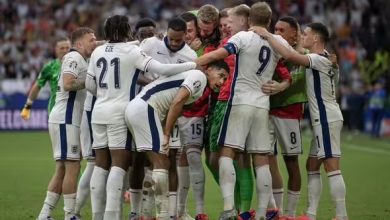
To understand the intensity of the moment, one must contextualize it within England’s campaign at the 2026 tournament. Co-hosted across North America, the World Cup has been a logistical marvel but also a political minefield. England entered as one of the favorites, boasting a squad featuring Harry Kane, Jude Bellingham, and emerging talents. Their opener against Croatia delivered fireworks on the pitch: Kane’s penalty, Bellingham’s clinical finish, and a late brace from a substitute turned a tense affair into a statement victory. Fans, numbering in the thousands, had traveled across the Atlantic, many enduring high ticket prices, complex visa processes, and the lingering shadow of football banning orders that kept over 2,300 rowdier supporters at home.
The celebrations were inevitable. Pubs in Dallas, Atlanta, and other host cities overflowed with red-and-white jerseys. “It’s Coming Home” echoed through the streets, a chant synonymous with English football optimism since Euro ’96. But beneath the revelry lay simmering tensions. Pre-tournament warnings from the Football Association (FA) and FIFA had explicitly cautioned supporters against political displays. Reports of anti-Starmer chants at warm-up events in the U.S. had already put officials on edge. FIFA’s code of conduct prohibits banners or songs with “sensitive or political content,” threatening stadium ejections and fines for national associations.
The Manchester fan’s actions, while extreme, did not emerge in a vacuum. UK domestic politics have been fractious, with Starmer’s government facing criticism over economic policies, immigration, and foreign affairs. Many England supporters, drawn from working-class communities, view football as an outlet for broader frustrations. Custom flags honoring military service or regional identities—like one linked to Barrow AFC that was controversially barred for featuring a submarine—have already tested boundaries.bb17e9 In this case, the combination of alcohol-fueled exuberance, national pride, and political dissent proved combustible.
Legal Ramifications: A Harsh Reality for Traveling Fans
Deportation risks for minor infractions might seem draconian, but they align with heightened security protocols for mega-events. The United States, as a primary host, has implemented strict entry screenings, with some fans from certain nations facing visa rejections rates exceeding 40%. England supporters, while generally welcomed, are not immune. Little-known local laws—such as restrictions on climbing public structures, amplified noise ordinances, or even flag protocols in certain municipalities—can catch visitors off guard.
Immigration experts note that a deportation order could carry long-term consequences: a potential 5-10 year ban from the U.S., impacting future travel, employment, or family visits. Fines compound the issue; beyond the immediate penalty, legal defense costs in a foreign jurisdiction can spiral into thousands of pounds. The FA has distanced itself, reiterating advice for fans to “respect local laws and focus on the football.” Yet, supporters’ groups argue this incident underscores inadequate preparation. “We’re treated like ambassadors one minute and criminals the next,” said one England Supporters Travel Club representative.
Broader context reveals systemic challenges. Over 120 immigrants’ rights organizations issued travel advisories citing concerns over enforcement. While England fans have largely impressed hosts with their good-natured atmosphere—praised by police in Arlington for minimal arrests—the actions of a few risk tarnishing the collective image.
Fan Culture, Politics, and the Modern World Cup
Football and politics have long been intertwined. From the 1966 World Cup’s cultural resonance to more recent protests at Qatar 2022, fans use the platform to voice identities. In England’s case, the “Three Lions” embody a complex national psyche: resilient yet self-deprecating, proud yet divided. Chants targeting opponents or referees are tradition; extending them to domestic politicians crosses a line for many.
Critics of the fan’s behavior call it reckless selfishness. “One idiot could ruin it for thousands,” lamented a fellow supporter on social media. Defenders frame it as free speech under pressure. “These lads pay fortunes to travel and support their country. Suppressing their voice turns football into corporate sterile entertainment,” countered another.
The incident also spotlights host nation dynamics. The U.S.-Mexico-Canada co-hosting brings diverse legal frameworks. What flies in a raucous Mexican fan zone might trigger swift action in conservative U.S. cities. FIFA’s neutral stance—focusing on “the beautiful game”—clashes with on-ground realities of polarized politics.
Personal Stories and Community Impact
Interviews with attendees paint a vivid picture. Sarah Thompson, a teacher from Liverpool who witnessed the event, described the shift: “One minute we’re singing ‘God Save the King,’ the next, this guy is ranting about taxes and borders. Security moved fast—handcuffs, warnings about deportation. It killed the vibe.” For families and casual fans, such episodes detract from the joy.
The accused fan, reportedly a season ticket holder with no prior major offenses, faces a hearing in the coming days. His legal team is expected to argue context—celebratory excess rather than malice—and push for leniency. Supporters have launched an online fundraiser for his defense, amassing donations rapidly, signaling solidarity amid division.
Lessons for Future Tournaments
This episode serves as a cautionary tale. As World Cups grow larger and more commercialized, fan management becomes paramount. Recommendations include clearer pre-travel briefings, designated celebration zones, and dialogue between supporter organizations, FIFA, and hosts. Technology, such as AI-monitored crowd behavior, may play a role, though it raises privacy concerns.
For England specifically, the tournament continues. Upcoming matches in Boston and New York promise larger traveling contingents. Success on the pitch could overshadow off-field drama, but sustained incidents risk FA sanctions or reputational damage.
Broader Reflections on National Identity
At its core, this story reflects England’s evolving identity in a globalized world. Football offers escapism, yet mirrors societal fault lines—class, politics, migration. The fan’s controversial act, whatever the outcome, encapsulates the raw emotion millions feel when “their” team plays. Deportation threats underscore that international sport demands international responsibility.
As the World Cup progresses, with billions watching, one man’s folly prompts introspection. Will it deter future expressions of dissent, or galvanize calls for more tolerant fan spaces? Football, after all, is nothing without its passionate devotees. But passion unchecked can exact a heavy price—fines, bans, or exile from the very dream it seeks to celebrate.
In the end, the beautiful game endures. England marches on, fans dream of glory, and authorities navigate the delicate balance of security and spectacle. For the man at the center, the real match now unfolds in a courtroom, far from the roar of the crowd. Whether justice or leniency prevails, his story will linger as a footnote in 2026’s grand narrative—a reminder that even in victory, caution is the ultimate defender.