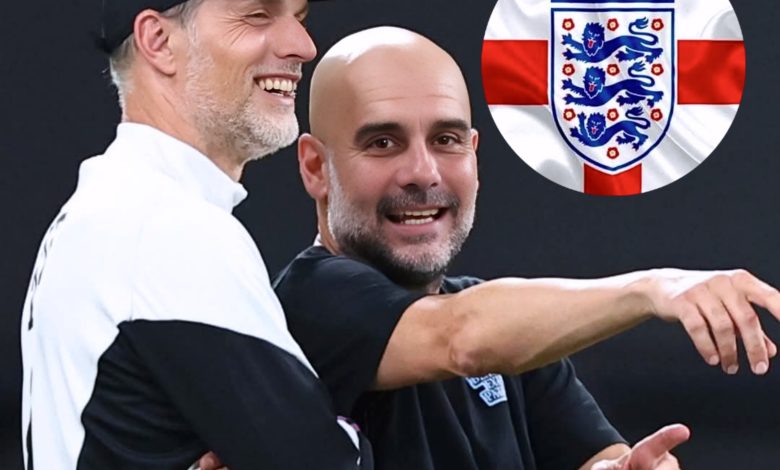
In the aftermath of England’s heartbreaking exit from the 2026 FIFA World Cup, a familiar cycle of scrutiny, speculation and fevered media chatter has once again enveloped the national team. The Three Lions’ 2-1 semi-final defeat to defending champions Argentina in Atlanta on 15 July 2026 has prompted calls in some quarters for change at the top, with former Manchester City manager Pep Guardiola — freshly available after leaving the Etihad and having turned down an approach from Italy — thrust into the conversation as a potential successor to Thomas Tuchel. Yet the reality, according to multiple reports and statements from those closest to the situation, is more measured: the Football Association remains committed to its German head coach through to UEFA Euro 2028, while Guardiola has made clear his immediate priority is a break from the intense demands of elite management.
This article examines the full context: Tuchel’s appointment and record, the details of England’s World Cup campaign and the controversial semi-final, the FA’s contractual position, Guardiola’s exit from Manchester City and rejection of the Italy job, the historical links between the Catalan coach and the England role, and the wider implications for both parties as the football world looks ahead.
Tuchel’s Arrival and Early Success
Thomas Tuchel was appointed England head coach in October 2024, taking up the role formally on 1 January 2025 after Gareth Southgate stepped down following the Euro 2024 final defeat to Spain. The German arrived with an impressive club résumé: Champions League success with Chelsea in 2021, league titles in France with Paris Saint-Germain and Germany with Bayern Munich, and a reputation for tactical flexibility and high-intensity organisation.
His initial 18-month contract was always framed around the 2026 World Cup. England’s qualifying campaign under Tuchel was near-flawless. The team won all eight matches without conceding a goal, scoring 20 in the process, and climbed into the upper echelons of the FIFA rankings. That form convinced the FA to act decisively. In February 2026, well before the tournament, Tuchel and his core staff signed extensions taking them through to Euro 2028, which England will co-host with Scotland, Wales and the Republic of Ireland. FA chief executive Mark Bullingham publicly emphasised the desire for continuity into a home European Championship, describing Tuchel as the right man for both the World Cup project and the longer-term cycle.
The extension included performance-related elements common to FA contracts, though Bullingham declined to detail specific break clauses. Importantly, any mutual exit provisions linked to an early World Cup departure were structured around elimination before the quarter-finals. England’s run to the last four meant those clauses were not triggered.
World Cup 2026: Promise and Heartbreak
England entered the tournament among the favourites. They navigated the group stage and knockout rounds with characteristic solidity, reaching a second semi-final in three World Cups. The quarter-final victory set up a high-stakes clash with Lionel Messi’s Argentina in Atlanta.
What followed was a match that has already entered the folklore of English football disappointment. Anthony Gordon gave England a deserved 1-0 lead early in the second half. With the Three Lions in control, Tuchel made a series of defensive substitutions, shifting to a back five in an attempt to protect the advantage. Argentina, under Lionel Scaloni, responded by introducing more attacking options. Enzo Fernández equalised with a superb strike from outside the box in the 85th minute, and substitute Lautaro Martínez headed the winner in stoppage time, both goals created by Messi.
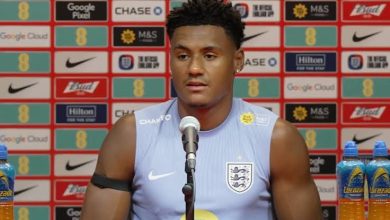
The tactical decisions drew immediate and intense criticism. Pundits including Wayne Rooney, Micah Richards and others argued that the changes invited pressure and allowed Argentina to seize momentum. Tuchel himself acknowledged the side became “too passive” after scoring but insisted he had “no regrets,” praising the players’ effort and describing the performance as one of their better displays under difficult circumstances. “The team gave everything and we were very close,” he said. “We deserved to be up 1-0… The team was top, we couldn’t bring it over the line.”
England finished the tournament with a third-place play-off against France. The semi-final exit, however, revived the familiar narrative of near-misses that has haunted the national team since 1966.
FA’s Stance: Continuity Over Reaction
due to the disappointment and the volume of public criticism, the FA has shown a great appetite for an immediate change. Sources close to the governing body have indicated that Tuchel won’t be having the full backing of key decision-makers. The coach himself has been unequivocal: “We keep on going with the contract until the home Euros. I’m looking forward to that even though right now it’s difficult to look that far ahead.”
Bullingham’s post-match comments focused on the collective effort rather than individual blame. The FA’s prioritisation of stability ahead of a home European Championship in 2028 appears decisive. Sacking a manager who has only recently been handed a long-term deal, after a semi-final appearance that matched or exceeded recent tournament runs, would represent a significant and costly shift in approach. Performance clauses exist, but the current assessment is that Tuchel remains the right coach for the next cycle.
Guardiola’s Exit from Manchester City and the Italy Rejection
While England process their exit, attention has also focused on Pep Guardiola. The 55-year-old left Manchester City at the end of the 2025-26 season after a decade that delivered 20 major trophies, including six Premier League titles, the Champions League, and multiple domestic cups. He cited the need for new energy at the club and a personal desire to step back after years of relentless pressure. Enzo Maresca was installed as his successor.
Guardiola has been clear about his intentions. In interviews following his departure he spoke of wanting to “discover life,” spend time with his family — including his 95-year-old father — and regain energy. “From a mental standpoint, I don’t miss anything at all… Now, I want to try and discover life, to be happy doing other things that have nothing to do with football,” he said. He left the door open to a future return but stressed that any decision would have to come from within.
Italy, reeling from a third consecutive failure to qualify for a World Cup under Gennaro Gattuso, made a concerted approach. FIGC technical director Paolo Maldini and others held talks, offering a long-term project and indicating willingness to make financial exceptions for a coach of Guardiola’s stature. Guardiola considered the proposal seriously but ultimately declined. Reports quoted him telling officials: “Thank you, I’m honoured, but at this moment, I don’t feel it.” Family reasons and the planned sabbatical were cited as decisive. Andrea Pirlo has emerged as a leading alternative for the Azzurri.
The Historical England Connection
The speculation linking Guardiola to the England job is not new. In 2024, after Southgate’s departure, Guardiola was widely regarded as the FA’s preferred candidate. Reports from The Athletic and others indicate that a verbal agreement was reached before the Catalan changed course and extended his stay at Manchester City. That decision forced the FA to accelerate talks with Tuchel.
Guardiola has previously spoken positively about international management as a different challenge from the week-to-week intensity of club football. Some reports suggest that, once his sabbatical ends, he could be open to a national-team role, with England remaining a plausible long-term destination depending on results at Euro 2028 and the path to the 2030 World Cup.
In the immediate aftermath of the Argentina defeat, certain media outlets and social-media accounts amplified the idea that Guardiola would be “keen” to take over if the opportunity arose. One account claiming elite sources suggested he was poised should the FA move on Tuchel. Such claims have not been corroborated by official statements from either camp.
Realistic Assessment of Guardiola’s Next Steps
Guardiola’s rejection of Italy reinforces the message that he is not rushing back into management. Multiple outlets report that he remains committed to at least a year away from the dugout. Potential club opportunities — whether a return to a major European side or an unexpected project — will be assessed on his terms and timeline. International football, with its lighter schedule, holds theoretical appeal, but the England role is currently occupied by a coach under long-term contract.
For England, the strategic priority is clear: build toward a home Euro 2028 with continuity. Tuchel’s experience of major knockout football, his tactical acumen, and the squad’s underlying quality remain assets. The semi-final loss exposed areas for improvement — particularly game management when protecting a lead against elite opposition — but it does not erase the progress made in qualification or the deeper tournament run.
Wider Implications and the Road Ahead
The current moment illustrates the unique pressures of international management. Club coaches operate in continuous cycles of matches and transfer windows; national-team roles involve long gaps punctuated by high-stakes tournaments. England’s FA has chosen stability after years of near-misses under Southgate and an ambitious but ultimately unfinished World Cup campaign under Tuchel. Changing course now would risk further disruption ahead of a tournament on home soil that carries enormous expectation.
Guardiola’s situation reflects a different set of pressures. After a decade of sustained excellence at City, the need for rest and perspective is understandable. His eventual return — whether to club or country — will be one of the major stories of the next football cycle. England will almost certainly monitor developments, just as they did in 2024. But any serious pursuit would require a fundamental shift in the FA’s current stance on Tuchel.
In the short term, Guardiola will prepare the squad for the Nations League and the qualifying path to Euro 2028. The players who reached the World Cup last four remain largely intact and have shown they can compete at the highest level. The challenge is to convert that competitiveness into a first major trophy since 1966.
For Guardiola, the immediate future appears to involve travel, family time and reflection. The Italy rejection closes one door while leaving others ajar. When he does decide to return, the list of interested parties will be long. England may feature on that list eventually, but not while the FA’s current project remains intact.
The narrative of “FA set to part ways with Tuchel as Guardiola’s next destination is revealed” captures the emotional intensity of the post-World Cup period and the enduring fascination with Guardiola’s next move. The facts on the ground, however, point to continuity for England and a deliberate pause for the Catalan coach. Both men will shape the next chapter of their careers on their own timelines. England’s focus remains on Euro 2028 under Tuchel; Guardiola’s next destination, for now, is a period of rest after one of the most successful managerial decades in modern football.