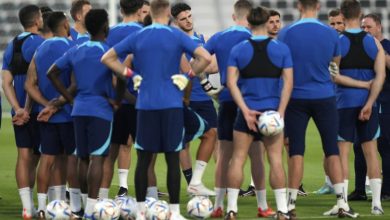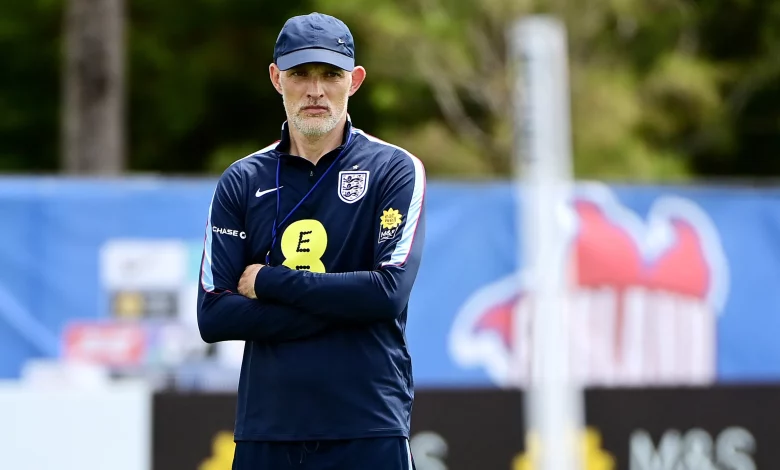
As England prepare for a high-stakes World Cup 2026 round-of-16 encounter against co-hosts Mexico at the iconic Estadio Azteca, the squad has been rocked by a fresh injury blow. An unnamed senior player, according to multiple reports circulating from the team’s training base, broke down in tears during a session, raising serious concerns about squad depth and fitness management just days before a daunting trip to Mexico City.
While official confirmation remains limited as the Football Association maintains a cautious media stance, the incident underscores the growing injury crisis plaguing Thomas Tuchel’s side. The German coach, who took over from Gareth Southgate with high expectations of delivering silverware, finds himself navigating choppy waters. With key personnel battling niggles and the unique challenges of altitude and a passionate home crowd awaiting in Mexico, questions are mounting about whether England’s campaign is already hitting the buffers.
The Training Ground Drama
Training camps at major tournaments are high-pressure environments, but scenes of a star player reduced to tears after a seemingly routine drill have sent shockwaves through the English media. Eyewitness accounts from Atlanta, where England have been based, describe the player clutching a lower limb or back area before requiring medical attention and leaving the session early. Medical staff were quick to intervene, but the emotional reaction highlighted the physical and mental toll of an intense schedule.
This comes on the back of ongoing concerns surrounding several first-team regulars. Declan Rice, the Arsenal midfielder and defensive anchor, has been managing neural pain in his back and hamstring. Tuchel revealed Rice played through “terrible pain” in the round-of-32 win over DR Congo, admitting the player had to be substituted but insisting there was “no injury” and he would recover in time for Mexico. Rice’s resilience is admirable—he has battled calf, back, and hamstring issues throughout the tournament—but relying on him at less than 100% fitness against a physical Mexico side carries risks.
Defensive vulnerabilities have also been exposed. Reece James and Jarell Quansah missed the DR Congo match with hamstring and ankle problems respectively. While both are reportedly progressing and could feature, their absences forced makeshift solutions, including deploying Rice at right-back late in games and fielding Djed Spence, who struggled under pressure.
The broader injury picture for England this cycle has been concerning. Earlier in the build-up to the tournament, Tuchel described the injury situation as “scary,” with withdrawals including Rice, Bukayo Saka, and others during international breaks. Pre-tournament losses like Tino Livramento to a thigh injury added to the strain.
Tuchel’s Tactical Dilemma
Thomas Tuchel arrived as England manager with a reputation for tactical flexibility and man-management honed at Chelsea, Paris Saint-Germain, and Bayern Munich. However, the transition has not been seamless. England topped Group L with wins over Croatia and Panama after an opening draw, but performances have often been laboured, relying on moments of individual brilliance from Harry Kane, Jude Bellingham, and Phil Foden (when available).
The Mexico clash presents a step up in intensity. Co-hosts Mexico, buoyed by passionate support at Azteca (capacity over 87,000), excel in compact defending and rapid counter-attacks. Altitude in Mexico City—approximately 2,240 metres above sea level—will test England’s preparation. Tuchel has already highlighted the need for specific acclimatisation, with players using training methods like blood-flow restriction to simulate lower oxygen conditions.
Selection headaches abound. In goal, Jordan Pickford remains first choice but will need to improve distribution. The back four is far from settled: potential combinations include Spence or a returning James at right-back, Marc Guéhi and another centre-back pairing, and Nico O’Reilly or alternatives at left-back. Midfield stability hinges on Rice’s fitness alongside Elliot Anderson or others, while the attacking trio of Saka, Bellingham, and Anthony Gordon (or Marcus Rashford) offers creativity but requires protection.
Kane, England’s all-time leading scorer, continues to lead the line with typical poise, but even he cannot carry the burden alone if key creators are compromised.
Historical Context and Broader Implications
England’s World Cup record in knockout stages under pressure has been mixed. Reaching the final in Euro 2024 raised expectations, yet consistent major-tournament success has eluded the “Golden Generation” and its successors. The 1966 triumph remains the benchmark, with semi-final appearances in 1990, 2018, and the Euro final representing high-water marks in recent decades.
Injuries have often played a role in England’s fortunes. Recall David Beckham’s metatarsal issue ahead of 2002 or Wayne Rooney’s broken metatarsal in 2006. The current scenario echoes those concerns, with Tuchel’s squad depth tested earlier than anticipated.
Critics argue that player workload from a congested domestic calendar—Premier League, Champions League, and cup competitions—contributes to the fragility. Rice’s neural pain, for instance, traces back to issues in late 2025. Clubs and national teams continue to debate fixture congestion, but solutions remain elusive.
For Tuchel, this represents a defining moment. Appointed to bring a winning mentality, he faces scrutiny over squad selection, rotation policies, and medical management. Positive noises about Rice and the right-backs returning are welcome, but any further setbacks could derail ambitions. A quarter-final exit or worse would intensify debates about tactical rigidity and whether the squad possesses the mental toughness for Mexico’s cauldron.
Mexico: Formidable Opponents
Mexico enter the tie with momentum as co-hosts. Led by experienced figures like Raúl Jiménez (if fit) and a midfield blending creativity and steel, they thrive on home advantage. The Azteca’s atmosphere is legendary—intimidating for visitors and galvanising for the home side. England must prepare for high pressing, set-piece threats, and the physical demands of playing at altitude.
Recent friendlies and group performances suggest Mexico can exploit spaces behind a high defensive line. Tuchel’s side will likely aim for control through possession, but without Rice at full capacity, transitions could prove vulnerable.
### Looking Ahead: Recovery, Adaptation, and Pressure
In the short term, England’s medical team will prioritise rapid assessment and rehabilitation. Modern sports science offers tools—cryotherapy, targeted physio, and load management—but there are no miracles. The player who left training in tears symbolises wider issues: the human cost of elite football.
Fans will hope for swift recoveries and a resilient performance in Mexico City. Victory would propel England into the quarter-finals with renewed belief, potentially setting up intriguing ties against strong contenders. Defeat, however, would prompt soul-searching about Tuchel’s project and England’s readiness to challenge the world’s best.
As the team flies south, the narrative is clear: fitness concerns, tactical puzzles, and the weight of expectation. It is not looking straightforward for Thomas Tuchel. The next few days will test not only the players’ bodies but the entire setup’s resilience. England have talent, but in tournaments, durability and adaptability often prove decisive.
The Azteca awaits. For the Three Lions, the road to glory has hit an early obstacle. How they respond could define their 2026 campaign.