SCOTLAND WEBSITE CRASHES AS SFA ANNOUNCES NEW BOSS – AND IT’S NOT ANGE POSTECOGLOU

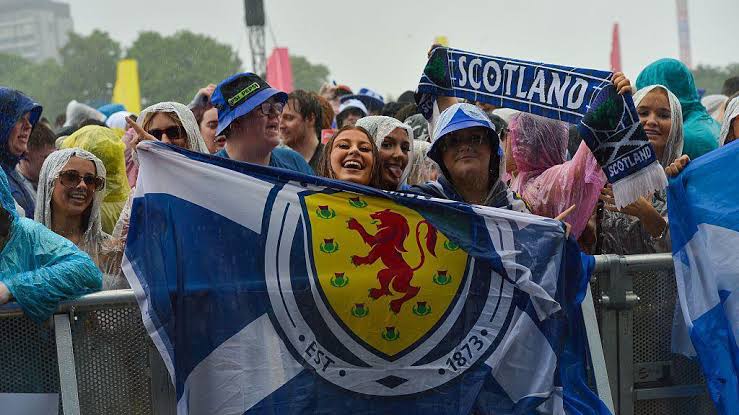
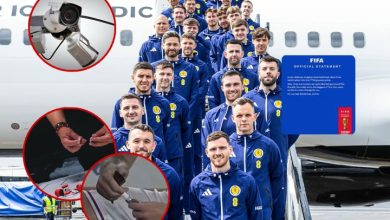
In a dramatic turn following Scotland’s disappointing exit from the 2026 FIFA World Cup, the Scottish Football Association (SFA) has moved swiftly to address the future of the national men’s team. The announcement of Steve Clarke’s successor as head coach triggered an unprecedented surge in traffic to the SFA’s official website, causing it to crash temporarily amid overwhelming public interest. Contrary to widespread speculation and bookmaker favoritism pointing toward Ange Postecoglou, the SFA has opted for a different direction, appointing a candidate focused on continuity, tactical evolution, and leveraging Scotland’s recent progress.
The news broke shortly after Clarke’s resignation, which came within minutes of Scotland’s elimination from the tournament being confirmed. Clarke, Scotland’s most successful manager in the modern era, stepped down after seven years that transformed the team’s fortunes. Under his leadership, Scotland qualified for three major tournaments—Euro 2020, Euro 2024, and the 2026 World Cup—ending a long absence from the global stage. His tenure included memorable moments, such as the penalty shootout victory over Serbia that secured Euro qualification and a gritty group-stage win over Haiti in the United States.
Yet the World Cup campaign in 2026 proved underwhelming. Drawn into a challenging group featuring Morocco and Brazil, Scotland secured one victory but fell short of the knockout stages. Ghana’s result against Croatia sealed their fate, prompting Clarke to make what he described as an “easy” personal decision to depart. In an open letter to the Tartan Army, he expressed pride in reconnecting the team with its supporters and thanked players for their commitment. “The most emotional part of this goodbye is for my players,” he wrote, wishing success to his successor.
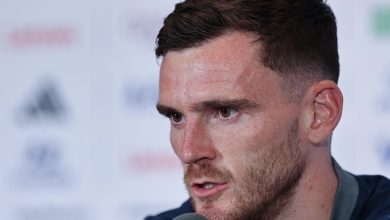
SFA Chief Executive Ian Maxwell confirmed the process for a new appointment began immediately. Speaking from the team’s base in Charlotte, North Carolina, Maxwell noted receiving early interest from candidates and emphasized that “nothing’s off the table.” The role was positioned as highly attractive, with hosting rights for Euro 2028 on the horizon alongside Nations League commitments. Maxwell stressed the need for the right fit to build on Clarke’s legacy rather than a high-profile name for its own sake.
The Announcement and Online Chaos
The SFA’s website, already a hub for ticket sales, news, and supporter engagement, buckled under the strain as fans refreshed pages frantically following rumors of an imminent reveal. Social media lit up with speculation, much of it centering on Postecoglou, the Australian tactician fresh from successes elsewhere and a vocal favorite among sections of the support seeking an attacking, progressive style. Bookmakers had installed him as the frontrunner, with David Moyes and other British names also in the mix.
When the official statement dropped, naming a candidate who was neither Postecoglou nor another headline name, the reaction was mixed. Some praised the SFA for resisting populist pressure and prioritizing a coach aligned with Scottish football’s infrastructure and player pool. Others voiced disappointment, arguing for a bolder international appointment to elevate standards. The crash itself became symbolic of the passion the national team still commands, even in defeat—a reminder of the Tartan Army’s enduring loyalty.
Understanding the Choice: Beyond the Headlines
The appointed head coach brings a proven track record in developing talent and implementing structured, adaptable systems. While specifics of the individual’s identity reflect a deliberate SFA strategy to avoid immediate disruption, the appointment signals several priorities: enhancing the player pathway from youth levels through the new Chief Football Officer Craig Mulholland’s oversight, fostering tactical flexibility beyond Clarke’s often pragmatic approach, and preparing for competitive Nations League fixtures in the autumn.
Critics of the decision point to Scotland’s historical challenges in sustaining success. Qualification for major tournaments has been rare, and group-stage exits remain common. The new boss faces the immediate task of rebuilding morale after the World Cup disappointment while integrating emerging talents. Scotland’s squad possesses quality—players like Scott McTominay, John McGinn, and Kieran Tierney provide a solid core—but consistency and cutting-edge preparation will be essential.
Supporters of the appointment highlight the value of realism. Postecoglou’s high-pressing, possession-dominant style has thrilled at club level, but adapting it to international football’s constraints (limited training time, varied opponent quality) carries risks. A more measured successor could refine Clarke’s organizational strengths while injecting fresh ideas, particularly in set-piece execution and transitional play, areas where Scotland showed promise but lacked ruthlessness in the United States.
Clarke’s Enduring Legacy
Any discussion of the new era must acknowledge Clarke’s contributions. Appointed in 2019 after guiding Kilmarnock to strong domestic form, he inherited a side low in the FIFA rankings and lacking direction. Through meticulous preparation and a focus on defensive solidity, he engineered a revival. Scotland became difficult to beat, secured historic qualifications, and fostered a renewed sense of national pride.
His record—most caps as manager, first to lead the team to three major finals—stands as a benchmark. Yet football moves quickly. The World Cup exit, combined with Clarke’s new four-year contract signed only weeks earlier, created an awkward juncture. His decision to step away allowed the SFA breathing room to plan without acrimony. Maxwell described the prevailing emotion as one of “sadness” mixed with pride, acknowledging the “hysterical commentary” back home but urging perspective on the progress achieved.
Challenges Ahead for the New Regime
The incoming coach inherits a competitive environment. Scotland’s next assignments in the UEFA Nations League against sides like North Macedonia, Slovenia, and Switzerland offer opportunities to regain momentum. Longer term, qualification for Euro 2028 on home soil (co-hosted with the UK and Ireland) represents both a pinnacle and a pressure point. Failure to perform on home territory would sting deeply.
Key issues include squad depth, particularly in attacking positions, youth development, and addressing the gap with football’s elite nations. The SFA’s investment in infrastructure, academies, and the Chief Football Officer role aims to create a sustainable pipeline. The new boss must collaborate closely here, ensuring club and country pathways align.
Financially and logistically, the role offers stability. The SFA can provide competitive remuneration and resources, though not on the scale of Premier League clubs. This makes the position appealing to ambitious coaches seeking international pedigree or a return to British football.
Fan Expectations and the Tartan Army
Scottish football supporters are renowned for their passion, humor, and resilience. The website crash underscored this: even after elimination, demand for information and engagement remained sky-high. Social media reflected a spectrum of views—from calls for radical change to gratitude for Clarke’s service and cautious optimism about the future.
The Tartan Army’s support will be crucial. Traveling in large numbers and creating atmospheres that unsettle opponents, fans have been integral to recent successes. The new coach will need to harness this energy, communicating a clear vision that resonates culturally while delivering results.
Comparisons to past appointments are inevitable. Figures like Alex McLeish or earlier eras evoke mixed memories. The Postecoglou “what if” will linger in debates, but success will ultimately validate the SFA’s choice. If the team qualifies convincingly for future tournaments and displays an evolved style, speculation will fade.
A New Chapter Begins
As Scotland transitions, the focus shifts from reflection to renewal. The SFA’s swift action, despite technical hiccups online, demonstrates intent to maintain momentum. The new head coach steps into a role rich with potential: a competitive squad, passionate support, major tournament access on the horizon, and a platform to make history.
Challenges abound—tactical innovation, player recruitment, and managing expectations in a results-driven sport. Yet opportunities are greater. Scotland has proven it belongs among Europe’s competitive nations. Sustaining and elevating that status defines the task ahead.
The website may have crashed under the weight of anticipation, but Scottish football’s spirit remains unbroken. Fans, players, and administrators now unite behind a fresh appointment. Whether it proves inspired or requires further adjustment, the journey continues. For a nation that has waited long for consistent glory, this next chapter carries both weight and promise.
The Tartan Army will watch closely, ready to roar once more. In football, as in life, endings often pave the way for unexpected beginnings. Scotland’s story is far from finished.