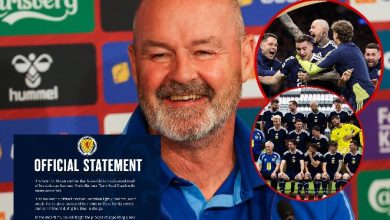
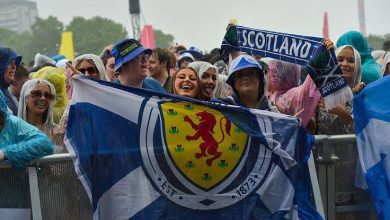
LEWIS FERGUSON’S COMMENT ON STEVE CLARKE’S RESIGNATION ANNOUNCEMENT BECOMES MOST-LIKED REPLY ON INSTAGRAM.

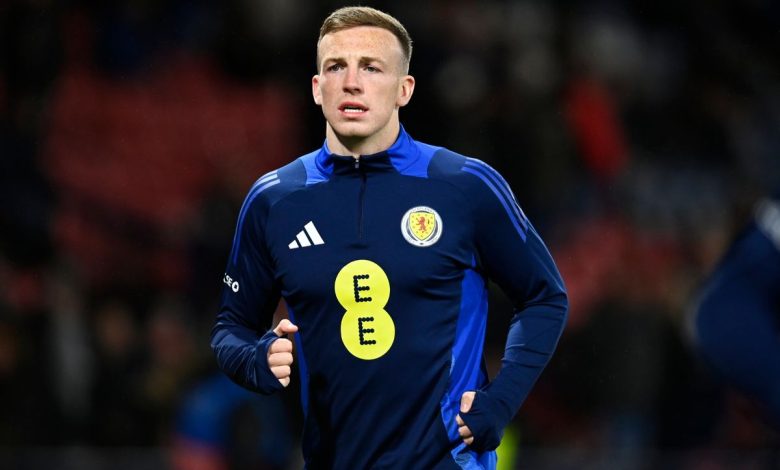
Scotland’s most successful national team manager ends a historic seven-year tenure after FIFA World Cup 2026 campaign
The announcement that Steve Clarke has stepped down as Scotland Men’s National Team Head Coach has brought an emotional end to one of the most defining chapters in the country’s modern football history. Following Scotland’s participation at the FIFA World Cup 2026, Clarke confirmed that his seven-year tenure had come to a close, drawing heartfelt tributes from players, supporters, former internationals, and members of the wider football community.
The Scottish Football Association’s announcement marked the conclusion of an era that transformed the fortunes of the national team. When Clarke accepted the role in 2019, Scotland had spent decades struggling to establish itself as a consistent force in international football. By the time he departed, the national side had become regular participants at major tournaments and regained the confidence and belief of supporters across the country.
Among the many reactions that flooded social media after Clarke’s resignation was confirmed, one message stood out from the rest. Scotland captain Lewis Ferguson posted a heartfelt tribute beneath the official announcement on Instagram. The message quickly became the most-liked reply on the post, reflecting not only Ferguson’s admiration for the departing manager but also the appreciation shared by thousands of Scotland supporters.
The remarkable engagement with Ferguson’s tribute highlighted Clarke’s popularity within the dressing room and demonstrated the lasting bond he built with a generation of players who flourished under his leadership. It was a fitting public display of gratitude for a coach whose influence extended far beyond tactics and team selection.
End of a Historic Era
Steve Clarke leaves the Scotland job widely regarded as the country’s most successful modern national team manager. His appointment in 2019 came during a period of uncertainty, with the national team desperately searching for stability after years of disappointment on the international stage.
From his very first matches in charge, Clarke introduced a renewed sense of purpose. He implemented a disciplined tactical approach, demanded professionalism from every member of the squad, and encouraged players to believe they could compete with Europe’s strongest footballing nations.
Those changes gradually transformed Scotland into one of the continent’s most resilient international teams. While performances did not improve overnight, Clarke’s consistency and patience allowed the squad to develop together. Confidence steadily grew, and results soon followed.
Perhaps his defining achievement came when Scotland qualified for UEFA Euro 2020, ending a 23-year absence from major international tournaments. That historic qualification sparked emotional celebrations throughout the country and represented far more than simply reaching another competition. It signaled the return of Scotland to football’s biggest stage after decades of frustration.
Rather than allowing that success to become a one-off achievement, Clarke continued building the team. Scotland qualified for successive European Championships before eventually earning a place at the FIFA World Cup 2026, further cementing the nation’s return among international football’s respected competitors.
The World Cup appearance became another milestone in Clarke’s remarkable tenure. Regardless of the outcome of the tournament itself, Scotland’s qualification reflected years of careful planning, player development, and tactical consistency.
Lewis Ferguson’s Emotional Response Resonates
As supporters reflected on Clarke’s achievements, current Scotland captain Lewis Ferguson delivered one of the most touching tributes on social media.
His Instagram comment beneath the Scottish FA’s resignation announcement immediately resonated with fans, attracting extraordinary engagement and becoming the most-liked reply on the post. Thousands of supporters echoed the midfielder’s sentiments, using likes and replies to express their own appreciation for Clarke’s service.
The response illustrated the respect Ferguson holds for the manager who oversaw much of his international development. During Clarke’s reign, Ferguson matured into one of Scotland’s most dependable midfielders and eventually assumed the responsibility of captaining his country.
His tribute carried added significance because it represented the voice of a generation of players who developed under Clarke’s guidance. Many members of the current Scotland squad have repeatedly praised the manager’s honesty, trust, and ability to create an environment where players felt valued regardless of their club status.
The popularity of Ferguson’s comment demonstrated how closely supporters identified with the current squad. Fans recognised the genuine affection between the players and their departing coach, making the farewell feel personal rather than simply procedural.
Building a Strong Footballing Identity
One of Steve Clarke’s greatest accomplishments extended beyond qualification campaigns and tournament appearances.
He successfully established a clear footballing identity for Scotland.
Throughout his tenure, Scotland became recognised for tactical discipline, defensive organisation, collective work ethic, and resilience against elite opposition. Clarke’s teams rarely relied on individual brilliance alone. Instead, they competed through teamwork, commitment, and an unwavering belief in the system.
Players consistently understood their roles, while tactical flexibility allowed Scotland to adapt against different opponents. Whether facing Europe’s traditional powerhouses or fellow qualification contenders, Scotland approached matches with confidence and structure.
The transformation also strengthened the squad’s mentality.
Senior players embraced leadership responsibilities while younger talents entered the national team without fear. Clarke managed to create healthy competition for places while maintaining unity throughout the group, ensuring every player understood the importance of contributing to the collective objective.
That atmosphere became one of the defining features of his reign.
Developing the Next Generation
Another hallmark of Clarke’s tenure was his willingness to trust emerging talent.
Several players established themselves as international regulars during his seven years in charge, while experienced professionals rediscovered their best football within Scotland’s tactical framework.
Rather than selecting players based solely on reputation, Clarke rewarded consistency and commitment. Young footballers were introduced gradually, allowing them to adapt to international football without unnecessary pressure.
Lewis Ferguson’s rise into a leadership role perfectly illustrates Clarke’s approach.
Initially regarded as one of Scotland’s promising midfield prospects, Ferguson evolved into one of the team’s central figures under Clarke’s guidance. Similar development stories emerged throughout the squad, giving Scotland a balanced blend of experienced leaders and exciting younger talent.
This long-term planning ensured the national team remained competitive beyond individual qualification campaigns.
Restoring National Pride
Steve Clarke’s influence cannot simply be measured by wins, losses, or tournament appearances.
Perhaps his greatest achievement was restoring belief among Scotland supporters.
For years, international campaigns had often ended in disappointment, creating frustration among fans desperate to see their nation return to football’s biggest competitions.
Clarke changed that narrative.
Qualification became an expectation rather than an unlikely dream. Supporters once again travelled across Europe and eventually to the World Cup with optimism instead of hope alone.
Stadium atmospheres improved, public enthusiasm returned, and the connection between supporters and players strengthened considerably.
That renewed sense of national pride became one of Clarke’s lasting contributions to Scottish football.
Respect Across the Football Community
The reaction to Clarke’s resignation extended well beyond the Scotland dressing room.
Former internationals, club managers, football pundits, journalists, and supporters all acknowledged the significance of his contribution.
Many praised his professionalism, calm leadership, and ability to handle pressure throughout qualification campaigns and major tournaments.
Others highlighted his honesty when dealing with both success and disappointment. Clarke rarely sought individual recognition, instead consistently praising his players and coaching staff for their efforts.
His humility earned widespread admiration across Scottish football.
Even rival supporters recognised the progress Scotland had made under his leadership and acknowledged the stable foundation he leaves behind.
The Challenge Facing Scotland
Replacing Steve Clarke represents one of the biggest decisions the Scottish Football Association has faced in recent years.
His successor will inherit a talented squad filled with experienced internationals and promising young footballers capable of maintaining Scotland’s recent progress.
However, expectations have changed dramatically.
Before Clarke’s appointment, qualification for major tournaments was considered an ambitious objective. Today, supporters expect Scotland to compete consistently at European Championships and World Cups.
Maintaining those standards will require careful planning, strong leadership, and the ability to preserve the positive culture Clarke established throughout the national team.
The next manager will also inherit a united dressing room, something Clarke worked tirelessly to build during his seven-year reign.
A Legacy Beyond Statistics
While Steve Clarke’s record will always include major tournament qualifications and memorable victories, his true legacy extends much further.
He restored confidence to a national team searching for direction.
He reconnected players with supporters.
He established a culture built on accountability, professionalism, humility, and togetherness.
Most importantly, he convinced Scotland that it belonged among football’s leading international nations once again.
Those achievements cannot be measured solely through statistics.
Instead, they are reflected in the respect shown by players like Lewis Ferguson, whose emotional Instagram tribute resonated with thousands of supporters shortly after the resignation announcement.
The extraordinary response to Ferguson’s comment perfectly captured the mood across Scotland. Fans were not simply saying goodbye to a successful manager—they were expressing gratitude to a coach who had fundamentally changed the trajectory of the national team.
As Scotland prepares to enter a new chapter, Steve Clarke leaves knowing he has transformed the country’s international fortunes.
Future managers will undoubtedly seek to build upon the platform he created, while future generations of Scotland internationals will benefit from the standards he established.
His seven-year tenure will be remembered as one of the most influential periods in the history of the Scotland men’s national team.
For many supporters, the emotional farewell—and the overwhelming response to Lewis Ferguson’s heartfelt tribute—serves as a fitting conclusion to an unforgettable era. Steve Clarke departs not only as Scotland’s most successful modern national team head coach but also as a respected leader who restored belief, united a nation behind its football team, and ensured that Scottish football once again commands respect on the international stage.