Scotland’s heartbreaking FIFA World Cup exit continues to dominate football headlines after FIFA reportedly acknowledged that the national team was on the wrong end of one of the tournament’s biggest refereeing controversies.
The incident, which took place late in Scotland’s dramatic clash with Morocco, centered around Scott McTominay’s appeal for a penalty after the midfielder appeared to be brought down inside the penalty area. Despite furious protests from the Scottish players, coaching staff, and supporters, neither the referee nor the VAR officials awarded a spot-kick.
Now, according to reports circulating after the tournament, FIFA has informed the Scottish Football Association that it intends to compensate Scotland financially through its referee error compensation mechanism following the admitted officiating mistake.
While no amount of money can replace a World Cup opportunity, the announcement has reignited debate about the quality of officiating, the effectiveness of VAR, and whether football’s governing body should do more when critical mistakes influence the outcome of matches.
The Incident That Sparked Worldwide Debate
The controversy occurred during the closing stages of Scotland’s World Cup encounter against Morocco.
With Scotland desperately searching for an equaliser, Scott McTominay drove into the Moroccan penalty area after exchanging passes with teammates. As he attempted to shoot, Moroccan defenders converged on him.
McTominay went to ground immediately after apparent contact.
The Scotland players instantly surrounded the referee, demanding a penalty.
Supporters inside the stadium erupted, believing their team had been denied a golden opportunity to rescue the match.
Television replays quickly spread across social media, with many former referees, pundits and fans questioning why VAR chose not to intervene.
Instead of stopping play for an on-field review, the VAR team completed a brief check before allowing the game to continue.
Moments later, the final whistle blew.
Morocco secured victory.
Scotland’s World Cup hopes disappeared.
Scotland’s Furious Reaction
The Scottish players were visibly devastated after the final whistle.
Scott McTominay looked stunned as he spoke with teammates before leaving the pitch.
Several Scotland players reportedly questioned the officials immediately after the game.
Manager Steve Clarke also expressed his disappointment, insisting that his side deserved greater protection in crucial moments.
Although Clarke stopped short of directly attacking the referees, he admitted it was difficult to understand how the incident had not resulted in at least an on-field VAR review.
Scottish supporters echoed those frustrations across social media.
Many described the incident as one of the clearest penalty appeals of the tournament.
Others questioned why VAR exists if obvious mistakes are allowed to stand.
The debate quickly became one of the biggest talking points of the World Cup.
What the Replays Appeared to Show
Slow-motion footage from multiple camera angles appeared to show contact between the Moroccan defender and McTominay as the Scotland midfielder attempted to move into a shooting position.
Supporters argued that:
- McTominay reached the ball first.
- Contact occurred before the defender won possession.
- The challenge disrupted McTominay’s shooting motion.
- The referee had an obstructed view.
- VAR should have recommended an on-field review.
Others believed the contact was minimal and argued that McTominay went down too easily.
As with many football controversies, opinions remained divided.
However, the overwhelming criticism focused less on the final decision and more on the fact that VAR did not advise the referee to review the incident personally.
Why VAR Has Come Under Heavy Criticism
VAR was introduced to eliminate “clear and obvious errors.”
Its purpose is not to re-referee every challenge but to intervene when significant mistakes occur.
In this case, many observers believed the incident met that threshold.
The biggest questions raised included:
- Why wasn’t the referee sent to the monitor?
- Why was the review completed so quickly?
- What angles were considered?
- Did VAR believe there was no contact?
- Was the threshold for intervention applied correctly?
Those questions have fuelled widespread criticism of VAR throughout the competition.
Several teams complained about inconsistent decisions during the tournament.
Scotland’s case has become one of the most discussed examples.
FIFA’s Reported Response
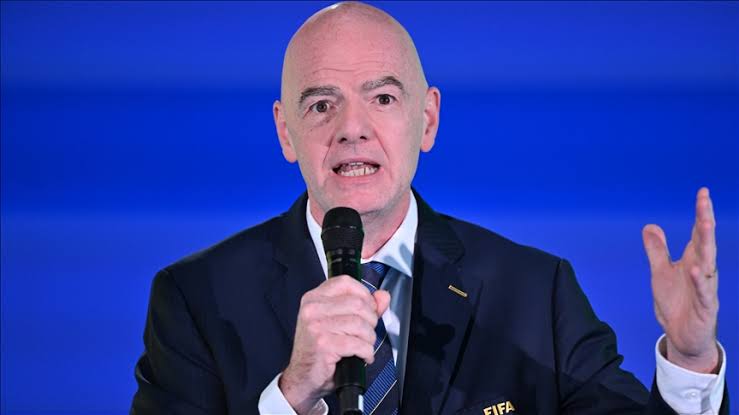
According to reports, FIFA’s internal assessment concluded that the officials made an error in handling the incident.
Rather than overturning the match result—which football regulations do not allow—FIFA is said to have informed the Scottish Football Association that Scotland would receive financial compensation linked to the officiating mistake.
Such compensation does not alter the tournament standings.
Morocco’s victory remains official.
The result will not be replayed.
Scotland’s elimination also remains unchanged.
Instead, the compensation is understood to recognise that a significant officiating error affected the match.
Although unusual, similar discussions have emerged in football before when governing bodies acknowledged refereeing mistakes without changing results.
Why the Match Cannot Be Replayed
Many Scotland supporters have asked why FIFA cannot simply order a replay.
The answer lies in the Laws of the Game.
Refereeing decisions made during matches are generally considered final.
Even if mistakes are later acknowledged, governing bodies rarely overturn completed fixtures unless there has been a breach of competition regulations rather than a judgement error.
Examples that could lead to a replay include:
- An ineligible player participating.
- Administrative errors.
- Serious breaches of competition rules.
Incorrect refereeing decisions—even significant ones—almost never lead to matches being replayed.
That principle protects the integrity and finality of competitions, even though it often frustrates supporters.
Morocco’s Perspective
From Morocco’s point of view, the controversy should not overshadow their performance.
They defended resolutely throughout the match and capitalised on their opportunities.
Moroccan players celebrated a famous victory after surviving intense Scottish pressure late in the game.
Naturally, they accepted the referee’s decision and focused on advancing in the tournament.
No team can be blamed for benefiting from an officiating decision beyond its control.
Scott McTominay’s Heartbreak
For Scott McTominay, the incident represented one of the most painful moments of his international career.
The midfielder had worked tirelessly throughout the match.
His driving runs from midfield created several dangerous moments.
Late in the game, he believed he had earned Scotland the perfect opportunity to equalise.
Instead, play continued.
Seconds later, Scotland’s World Cup dream ended.
Images of McTominay lying on the turf immediately after the challenge have become symbolic of Scotland’s disappointment.
Fan Reaction Across Scotland
Scottish supporters reacted with understandable frustration.
Social media platforms were flooded with clips of the incident.
Many fans questioned whether smaller football nations receive the same treatment as traditional powerhouses.
Others demanded greater transparency from FIFA regarding VAR communications.
Calls also emerged for:
- Public release of VAR audio.
- Independent referee reviews.
- Greater accountability for officials.
- Faster explanations after controversial decisions.
Many supporters accepted that mistakes happen but argued that football’s governing bodies must become more transparent.
Pundits Split Over the Decision
Former players and referees offered differing opinions.
Some insisted it was a clear penalty.
Others believed the challenge involved normal football contact.
However, many agreed on one important point:
The referee should probably have been invited to review the incident personally.
An on-field review would have strengthened confidence in whatever final decision was made.
Instead, the lack of a monitor review became almost as controversial as the penalty appeal itself.
What Compensation Actually Means
The reported compensation should not be misunderstood.
It does not mean:
- Scotland are reinstated.
- Morocco lose their victory.
- FIFA changes the official result.
- Scotland advance to the next round.
Instead, it is believed to be financial compensation acknowledging that an officiating mistake adversely affected the Scottish Football Association.
While such compensation may help offset tournament-related costs, it cannot restore the lost sporting opportunity.
For players and supporters, that remains the greatest disappointment.
The Bigger Picture for FIFA
The controversy adds further pressure on FIFA to improve refereeing standards ahead of future international tournaments.
Modern football has invested heavily in technology designed to reduce human error.
Yet incidents like McTominay’s continue to generate controversy.
Critics argue that football still lacks transparency compared to sports such as rugby, where referee discussions with video officials are often broadcast live.
Increasing openness could improve trust in major decisions.
Possible reforms being discussed include:
- Broadcasting VAR conversations.
- Publishing referee assessment reports.
- Introducing post-match explanations.
- Expanding referee training.
- Improving consistency between VAR teams.
What This Means for Scotland
Although Scotland’s tournament ended in disappointment, the performance demonstrated the team’s continued progress on the international stage.
The squad competed courageously against strong opposition and remained in contention until the final moments.
While the penalty controversy will dominate headlines for years, Scotland will eventually turn its attention toward future qualification campaigns.
The experience gained from competing on football’s biggest stage could prove invaluable for the next generation of Scottish players.
Final Thoughts
The controversy surrounding Scott McTominay’s denied penalty against Morocco has become one of the defining refereeing stories of the FIFA World Cup. The decision not to award a penalty—or even recommend an on-field review—left Scotland feeling deeply aggrieved and sparked widespread debate about the consistency and transparency of VAR.
If FIFA has indeed acknowledged an officiating error and offered financial compensation, it represents an unusual admission that something went wrong. However, it does not change the result, restore Scotland’s place in the tournament, or erase the disappointment felt by the players and their supporters.
Ultimately, the episode serves as another reminder that while technology has improved football officiating, it has not eliminated controversy. As calls grow louder for greater accountability and transparency in VAR decision-making, FIFA will face increasing pressure to ensure that future World Cups are remembered for the football itself rather than the decisions that overshadow it.