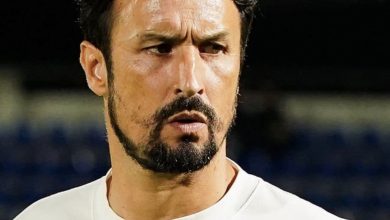
Rob Edwards Thanks Wolves Supporters After Departure as Emotional Statement Sparks Reaction Across Fanbase


The departure of a football manager is often accompanied by speculation, criticism and debate. Yet just hours after leaving Wolverhampton Wanderers, Rob Edwards chose a different approach. Rather than discussing the circumstances surrounding his exit, the former Wolves boss released an emotional statement thanking supporters, players and staff for their backing during a turbulent period at Molineux.
The message quickly spread across social media, prompting thousands of reactions from Wolves fans, many of whom praised Edwards for the dignity and professionalism he displayed in the aftermath of his departure.
While opinions remain divided on his spell in charge, there is little doubt that his farewell message has become one of the most discussed topics among the Wolves faithful.
The End of Edwards’ Wolverhampton Journey
Edwards’ time at Wolverhampton came to an abrupt conclusion following a difficult run of results that left the club searching for a new direction.
The pressure had been building for weeks as Wolves struggled to find consistency. Injuries, squad limitations and a demanding fixture schedule all contributed to a campaign that failed to meet expectations.
Despite occasional promising performances, Wolves found themselves slipping down the table, increasing scrutiny on Edwards and his coaching staff.
Club officials eventually decided a managerial change was necessary, bringing an end to Edwards’ tenure.
For many supporters, the decision was understandable from a football perspective. However, there was also recognition of the challenges Edwards faced during his time at the club.
The Statement That Captured Attention
Shortly after news of his departure became official, Edwards released a statement directed at the Wolves community.
In the message, he reportedly thanked:
Wolves supporters for their unwavering backing
The players for their commitment and professionalism
Club staff behind the scenes
Academy personnel who worked to develop young talent
Everyone associated with the club during his spell in charge
The tone of the statement was reflective rather than bitter.
Instead of criticising the club or expressing frustration over the decision, Edwards focused on gratitude and pride in having managed one of England’s historic football institutions.
That approach immediately resonated with many fans.
Key Moments During Edwards’ Time at Wolves
Although results ultimately led to his departure, Edwards’ period in charge was not without memorable moments.
Positive Performances
There were several occasions when Wolves demonstrated the tactical organisation and intensity Edwards sought to implement.
Victories against higher-ranked opponents showcased the potential within the squad, while younger players were given opportunities to prove themselves at senior level.
Development of Emerging Talent
One of the recurring themes of Edwards’ tenure was his willingness to trust younger players.
Supporters often praised his commitment to developing academy prospects and integrating them into first-team football.
That long-term vision remains one of the aspects many fans believe should be recognised despite the disappointing results that followed.
Difficult Periods
However, football is ultimately judged by results.
Extended winless runs placed increasing pressure on the manager, and defensive lapses proved costly in several crucial fixtures.
As confidence dropped, Wolves found it increasingly difficult to turn competitive performances into positive outcomes.
Tactical Analysis: What Went Wrong?
From a tactical perspective, Edwards attempted to build a side capable of pressing aggressively while remaining compact defensively.
The intention was clear:
Win possession higher up the pitch
Transition quickly into attack
Create numerical overloads in wide areas
Maintain defensive discipline when out of possession
At times, the strategy worked effectively.
Wolves produced energetic displays that troubled opponents and generated opportunities through quick transitions.
However, several challenges emerged.
Lack of Consistent Finishing
One of the biggest issues was converting chances.
Wolves frequently created promising situations but lacked the clinical edge required to consistently secure victories.
The inability to capitalise on attacking opportunities increased pressure on the defence and often left matches hanging in the balance.
Defensive Vulnerabilities
While Edwards prioritised organisation, Wolves occasionally struggled against teams capable of exploiting spaces between midfield and defence.
Opponents became increasingly effective at attacking those areas, leading to goals conceded at crucial moments.
Squad Depth Concerns
The modern Premier League demands strength throughout the squad.
Injuries and suspensions often forced Edwards into tactical adjustments that disrupted continuity.
The absence of key players at important stages of the season made it difficult to establish momentum.
Wolves Fans React
Perhaps the most interesting aspect of the story has been the reaction from supporters.
Social media platforms were quickly flooded with responses following Edwards’ statement.
Among the most common themes were:
Appreciation
Many supporters thanked Edwards for handling his departure with class.
Several fans noted that while results had not been good enough, they respected the way he represented the club.
Disappointment
Others expressed regret that circumstances had not allowed the project more time to develop.
Some supporters felt Edwards inherited a difficult situation and deserved recognition for his efforts.
Acceptance
A significant portion of the fanbase acknowledged that football is a results-driven business.
While appreciating the statement, they also accepted that the club needed a fresh start.
The overall reaction was notably more positive than many managerial departures seen elsewhere in English football.
Nigerian Fans Also Weigh In
Wolves maintain a strong following among Nigerian football supporters due to the Premier League’s immense popularity across the country.
Many Nigerian fans followed the discussion closely and shared similar views to supporters in England.
Several pointed out that managerial success often depends on squad quality, recruitment and long-term planning rather than coaching alone.
Others praised Edwards for avoiding controversy and choosing to leave with dignity.
There was also discussion regarding the challenges modern managers face, particularly when immediate results are expected despite ongoing rebuilding projects.
The reaction highlighted how closely Premier League storylines are followed far beyond the United Kingdom.
What Happens Next for Wolverhampton?
The focus now shifts to Wolves’ search for a successor.
The club’s hierarchy faces several important decisions:
Determining the preferred playing style
Assessing transfer priorities
Evaluating the current squad
Identifying a manager capable of delivering both short-term improvement and long-term stability
Supporters will be hoping the next appointment provides renewed momentum.
The challenge for Wolves is ensuring that any managerial change leads to sustained progress rather than another period of instability.
Historically, clubs that establish a clear football identity tend to achieve greater long-term success than those making frequent changes in direction.
What Could Be Next for Rob Edwards?
Although his Wolves chapter has ended, Edwards remains a highly respected coach within English football.
His previous achievements demonstrated his ability to build competitive teams and develop players.
Managers often emerge stronger from difficult experiences, and many observers believe Edwards will receive further opportunities elsewhere.
Potential future roles could include:
Championship clubs seeking promotion
Ambitious League One projects
Assistant coaching positions at elite clubs
A return to management after a period away from the game
His handling of this departure may also enhance his reputation among potential employers.
Football executives frequently value professionalism, especially during challenging moments.
Conclusion
Rob Edwards’ departure from Wolverhampton Wanderers may have been driven by results, but his response has ensured the conversation extends beyond league tables and statistics.
His emotional statement struck a chord because it reflected gratitude, humility and respect for the club he served. In an era where managerial exits can often become confrontational, Edwards chose a more measured path.
Whether supporters believed he should have remained in charge or agreed with the club’s decision, many have acknowledged the dignity with which he conducted himself.
As Wolves begin searching for a new leader and Edwards considers his next move, this farewell message may ultimately become one of the defining memories of his time at Molineux—a reminder that football is not only about results, but also about relationships, respect and the way individuals carry themselves when the pressure is greatest.