SCOTLAND COULD BE BANNED FROM THE NEXT WORLD CUP AFTER SCOTT McTOMINAY’S SHOCK FIFA COMMENTS

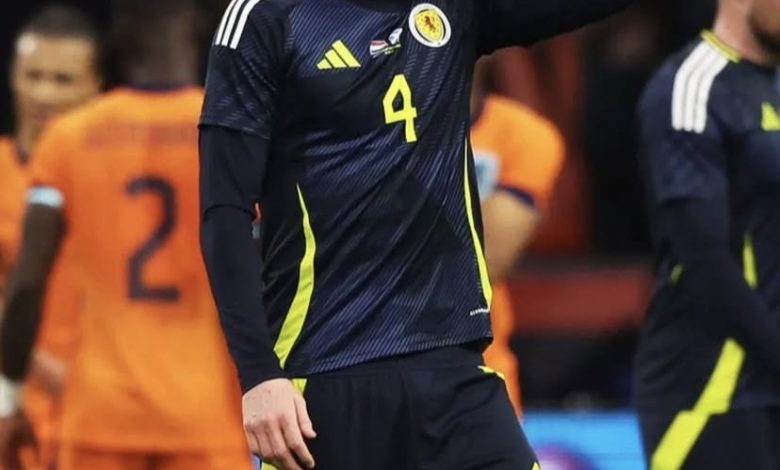
As the 2026 FIFA World Cup group stage draws to a close, Scotland finds itself in a precarious position. Having finished third in Group C behind Brazil and Morocco, the Tartan Army’s hopes of progressing to the knockout rounds as one of the eight best third-placed teams hang by a thread. With a record of one win, two defeats, a solitary goal scored, and a goal difference of -3, Steve Clarke’s side is anxiously awaiting the outcomes of remaining matches across other groups.
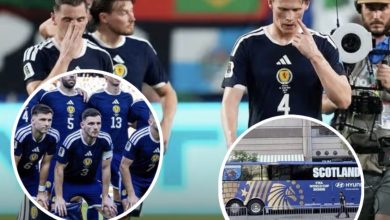
Compounding the tension are reported comments from key midfielder Scott McTominay that have reportedly drawn the ire of FIFA officials, raising the extraordinary prospect of disciplinary action that could extend to a ban for the national team in future tournaments. While details remain emerging, sources suggest McTominay’s frustration—voiced in the heat of competition and post-match reflections—targeted refereeing decisions, VAR protocols, and broader FIFA governance issues. These comments may have crossed into territory viewed as undermining the organization’s authority.
### A Historic Return and Harsh Group Stage Reality
Scotland’s qualification for the 2026 World Cup, their first since 1998, was a moment of national euphoria. McTominay played a starring role, most memorably with a spectacular overhead kick against Denmark that helped secure automatic qualification from their European group. His form at Napoli, where he contributed to a Serie A title win and earned individual accolades, carried into the international arena, making him a talisman for Clarke’s pragmatic but spirited side.
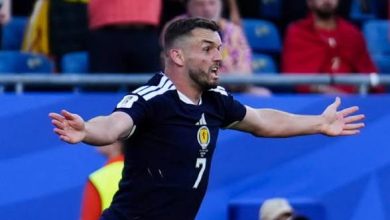
In Group C, expectations were realistic. Drawn alongside five-time champions Brazil, African powerhouse Morocco, and debutants Haiti, progression was always going to be an uphill battle. Scotland started brightly with a hard-fought 1-0 victory over Haiti, John McGinn’s goal sparking celebrations reminiscent of qualifying nights. However, a narrow defeat to Morocco (0-1) exposed defensive vulnerabilities and refereeing controversies, including a denied penalty for McTominay that left players and fans incensed.
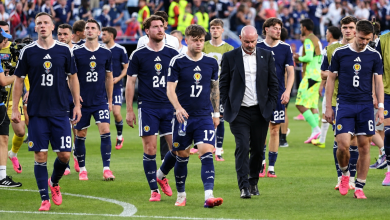
The final group game against Brazil in Miami ended in a 3-0 defeat, with Vinícius Júnior scoring twice. While the result was expected given Brazil’s quality, it left Scotland’s goal difference in a vulnerable state. As of the latest standings, they sit on the edge of the best-third-placed qualification cutoff, with several teams boasting better records or superior goal differences still to play or conclude their campaigns.
### McTominay’s Comments: The Spark of Controversy
McTominay, known for his composure and leadership on the pitch, has rarely shied away from expressing passion for the game. Post-match interviews and on-field reactions during the Morocco game highlighted his evident frustration with officiating. Reports indicate he questioned the consistency of VAR decisions, mandatory hydration breaks (criticized by some as commercially driven), and broader FIFA policies affecting smaller nations.
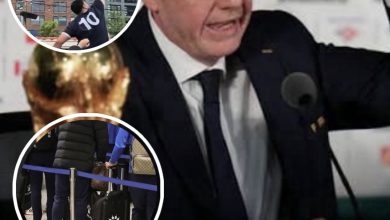
While player criticism of referees is commonplace, sources close to FIFA suggest McTominay’s remarks went further, touching on systemic issues like ticket pricing, governance transparency, and perceived biases in decision-making that disadvantage teams from nations without significant footballing political clout. In an era where FIFA President Gianni Infantino has emphasized unity and defended controversial stances—including comments on fan behavior and geopolitical bans—such public dissent from a prominent player could be interpreted as a challenge to authority.
FIFA’s disciplinary code is broad, covering actions that bring the game into disrepute. Precedents exist for fines and suspensions on players for critical statements, but a national team ban would be unprecedented and extreme. Insiders speculate that any punishment would more likely target McTominay individually, potentially with a multi-game international suspension. However, the headline-grabbing narrative of a full Scottish ban for 2026 or beyond reflects heightened sensitivities around player-FIFA relations during this expanded tournament.
McTominay’s club success at Napoli under Antonio Conte has showcased his tactical intelligence and goal threat. His absence or any team sanctions would be a major blow, not just for Scotland but for the tournament’s diversity. Clarke has previously defended his player, noting the midfielder’s growth and importance to the squad’s identity.
### The Battle for Knockout Progression
For Scotland to advance, they need favorable results elsewhere. Teams like Sweden, Ecuador, Bosnia-Herzegovina, and Paraguay have posted competitive records among third-placed sides. Scotland’s -3 goal difference is a significant handicap; a strong performance in any playoff or remaining calculations would be required.
The Tartan Army, renowned for their passionate support, has traveled in numbers despite logistical and financial challenges of a North American-hosted tournament. Their presence has been a highlight, embodying the spirit that McTominay and teammates represent. Fans have voiced support for the players amid the officiating debates, with many echoing calls for improved transparency in FIFA’s processes.
Broader context includes ongoing discussions around Infantino’s leadership—apologies for fan-related jokes, stances on geopolitical bans, and tournament organization. These issues amplify any player comments, turning sporting frustration into perceived political statements.
### Implications for Scottish Football and Beyond
A potential ban or heavy sanction would be devastating for a nation that waited nearly three decades to return to the global stage. Scottish football has invested heavily in youth development and infrastructure, with this World Cup appearance serving as validation. McTominay symbolizes that progress: a player who reinvented himself post-Manchester United, thriving in Italy while elevating his country.
FIFA must balance discipline with fairness. Overreach could alienate smaller federations and players, especially as the 48-team format aims for greater inclusivity. Constructive criticism, if delivered respectfully, should fuel dialogue on improving refereeing standards, VAR application, and commercial aspects like hydration breaks rather than triggering punitive measures.
Clarke’s squad has shown resilience. Even in defeat to Brazil, there were moments of organization and pride. McTominay’s leadership in midfield remains crucial, whether in a desperate push for best-third qualification or future campaigns.
### Looking Ahead: Pride, Pressure, and Potential
As results trickle in, Scotland’s fate rests on mathematics and margins. Regardless of outcome, this tournament marks a milestone. The controversy surrounding McTominay’s comments, whether overblown or substantive, underscores tensions in modern football: between players’ rights to expression, governing body authority, and the passion that drives the sport.
For McTominay, a figure who has overcome club setbacks to shine brightly, any fallout would test his resilience further. For Scotland, the immediate priority is survival in 2026, with eyes already turning to qualification cycles ahead. The Tartan Army will back their heroes, demanding accountability where due while celebrating a rare World Cup adventure.
In an expanded competition meant to celebrate football’s global reach, stories like Scotland’s—marked by historic qualification, on-pitch drama, and off-pitch debates—highlight both the beauty and complexities of the game. Whether McTominay’s words lead to formal repercussions or serve as a catalyst for reflection, they add another layer to a memorable campaign for the Scots.