Harry Wilson needs time to adapt to Daniel Farke’s tactics as Leeds United fans react after Nottingham Forest defeat


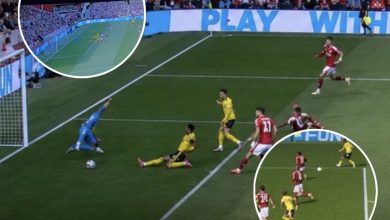
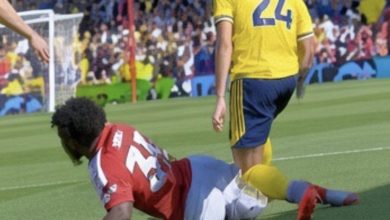
Just one Premier League match into the new campaign, questions are already being raised about Harry Wilson’s performance for Leeds United. The attacking midfielder was one of the players who attracted significant attention following the encounter with Nottingham Forest, with some supporters expressing disappointment over what they felt was an underwhelming display.
For a player still adapting to a new environment, new teammates and Daniel Farke’s tactical demands, the level of criticism has nevertheless been striking. The reaction from sections of the Leeds United fanbase has quickly turned into a wider conversation about expectations, patience and how much time a new signing should be given before being judged.
Wilson’s first appearance has certainly not gone exactly as some supporters hoped. Leeds wanted greater attacking influence, more creativity and a player capable of making a difference in the final third. Against Forest, however, the performance did not consistently produce those qualities, leading to frustration among supporters who expected an immediate impact.
The situation has also created an emotional side to the story. The criticism directed towards the player appears to have affected him personally, with the incident becoming a reminder of how quickly football supporters can form opinions in the modern game. After only one Premier League match, the scrutiny surrounding Wilson has already become a talking point.
One match should not define Harry Wilson
The biggest argument in Wilson’s defence is simple: one Premier League match is not enough to determine whether a player will succeed at Leeds United.
Footballers need time to understand their teammates, especially when they arrive at a club where the tactical instructions are different from what they have previously experienced. Passing patterns, pressing triggers, movement, positioning and defensive responsibilities are all areas that can take time to develop.
That is particularly important under Farke.
The Leeds manager expects his players to understand their individual responsibilities within a structured system. A new attacking player cannot simply arrive and immediately understand every movement expected of him. Even technically gifted footballers require time to develop an understanding with the players around them.
Wilson therefore needs an opportunity to settle before his Leeds United career is judged.
The Nottingham Forest match may have exposed areas of his game that need improvement, but it should also be viewed as part of a much longer process.
Why Farke’s tactics could require patience
Farke has built his managerial career around organised football, clear positional responsibilities and demanding work without the ball. His attacking players are not simply expected to wait for possession and create moments of magic.
They have to understand when to drop, when to move between the lines, when to press and when to provide width.
For Wilson, that tactical education could be especially important.
The midfielder may have to adapt his natural instincts to fit into the team’s structure. Sometimes that can make an attacking player appear less influential during the early stages of a new relationship with the manager.
It does not necessarily mean the player is struggling permanently.
In fact, some of the best performances from new signings often come after several weeks or months, once they understand exactly what their manager wants and develop an understanding with their teammates.
That is why judging Wilson after a single Premier League appearance would be premature.
The pressure of playing for Leeds United
There is also another factor that should not be ignored: the pressure of playing for Leeds United.
Elland Road is one of English football’s most passionate environments. Supporters demand commitment, quality and consistency, and expectations are naturally high whenever a player arrives with a reputation for contributing in attacking areas.
That atmosphere can inspire players, but it can also create enormous pressure.
When a player makes an error or fails to produce the expected performance, social media can quickly magnify the criticism. A few negative comments can become hundreds, making it difficult for a footballer to ignore the noise.
Wilson appears to have felt that reaction.
The fact that the criticism reportedly hurt him has generated another debate among Leeds supporters. Some fans believe professional footballers must develop a thick skin because criticism is part of the profession. Others believe supporters should show more patience, particularly when judging a player after only one league appearance.
Both arguments have some merit.
Players at the highest level must learn to deal with pressure, but supporters also have a responsibility to understand that footballers are human beings.
Wilson’s response adds another layer to the story
The reported response from Wilson has surprised some supporters because it has shown a more personal side to the player.
Rather than simply dismissing the criticism, the incident appears to have affected him emotionally. That does not necessarily indicate weakness. In many cases, it can demonstrate how much a player cares about his performance and his relationship with supporters.
A footballer who does not care about his performance is unlikely to be deeply affected by criticism.
Wilson will now have to channel that disappointment positively.
The best response will not come through arguments on social media or lengthy explanations. It will come on the pitch.
If he can improve his performances, contribute goals and assists and develop an understanding with his teammates, the same supporters questioning him today could quickly become some of his biggest admirers.
Football changes quickly.
Leeds fans have every right to demand more
At the same time, patience should not mean supporters are forbidden from criticising performances.
Leeds fans paid to watch their team compete at the highest level, and they are entitled to express disappointment when a player does not perform to the expected standard.
The key distinction is between criticising a performance and writing off a player.
It is perfectly reasonable for supporters to say that Wilson was below his best against Forest. It would be far less reasonable to conclude that he cannot succeed at Leeds based on 90 minutes.
That distinction is particularly important at the beginning of a season.
Players need opportunities to respond, and Wilson should be judged over a sustained period rather than one afternoon.
The next few matches could be crucial
The coming fixtures could therefore be extremely important for Wilson.
Another strong performance in training could help him regain confidence, while a positive contribution in the next match would immediately change the conversation around him.
For Farke, the priority should be helping the player understand his role rather than allowing external criticism to dictate tactical decisions.
The manager knows what he wants from Wilson, and that relationship will be critical.
If Farke believes Wilson can become an important part of the team, he must give him the right environment to develop. Equally, Wilson must respond by working hard, learning the system and showing that he can execute the manager’s instructions.
That combination of patience and accountability is what could ultimately determine his success.
Leeds supporters must remember how quickly football can change
The most interesting part of this story is how quickly the narrative has developed.
After one Premier League match, Wilson has gone from being a player expected to excite Leeds supporters to someone facing questions about his suitability for the team.
But football history is full of examples of players who struggled initially before becoming important figures for their clubs.
A difficult debut does not automatically become a difficult season.
Wilson still has plenty of time to change the story.
The midfielder now has the opportunity to turn the disappointment from Nottingham Forest into motivation. Instead of allowing the criticism to become a distraction, he can use it as fuel to improve.
For Leeds United, the message should be clear: judge the player, but give him time.
One match can reveal weaknesses, but it cannot provide a complete assessment of a footballer.
The verdict
Harry Wilson’s first Premier League outing for Leeds United may not have met the expectations of every supporter, but it is far too early to make a definitive judgement.
He is adapting to Farke’s tactical demands, developing relationships with teammates and learning what is required to succeed in a new environment. Those processes rarely happen overnight.
The reported reaction to the criticism shows that the player has been affected by what has been said, but the most important response is still ahead of him.
If Wilson wants to win Leeds supporters back, there is only one place where he needs to do it.
On the pitch.
The next few matches could tell us much more about his Leeds United future than anything said after the Nottingham Forest game.
For now, patience may be the most sensible approach.
One match has been played. The season has barely begun. Wilson still has an entire campaign to prove why Leeds United believed in him.
And if he eventually finds his rhythm under Farke, the criticism he is facing today could become nothing more than an early chapter in what turns out to be a successful Leeds United story.