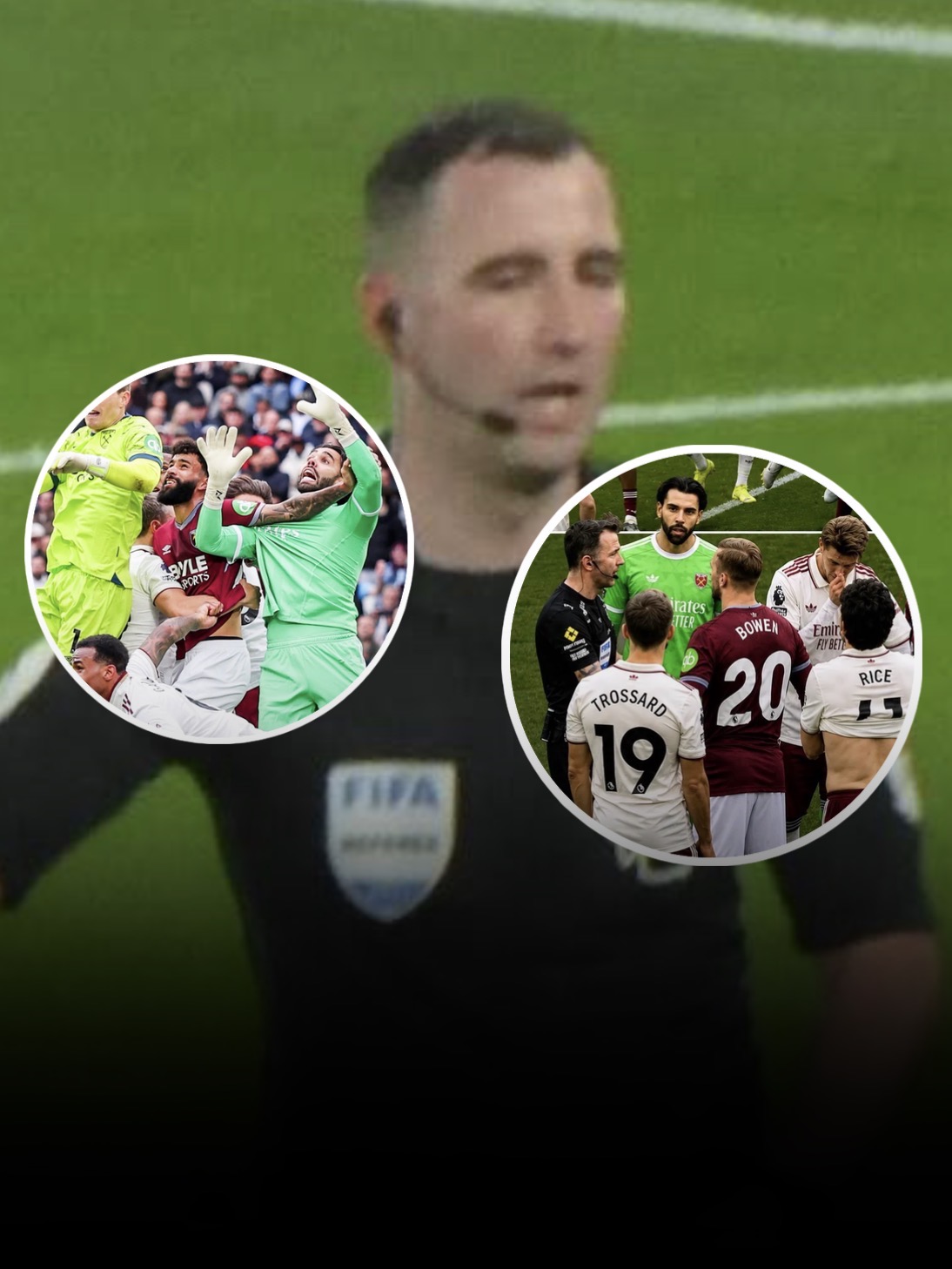
Controversy grows after disputed VAR decision in West Ham clash with Arsenal as refereeing standards questioned again
Fresh debate surrounding VAR decision-making has emerged following claims involving referee Chris Kavanagh and the disallowed late goal during the heated clash between West Ham United and Arsenal.
The incident, which came during a tense closing period of the match, immediately sparked fierce reactions from supporters, pundits, and former players after West Ham appeared to score a dramatic equaliser before the goal was eventually ruled out following VAR intervention.
Although no official statement has suggested improper conduct or outside interference, the controversy has reignited wider frustrations among supporters over transparency, communication, and consistency within Premier League officiating.
For many fans, the situation reflects a broader problem that continues damaging confidence in VAR across English football.
The incident that changed the atmosphere of the match
The match itself carried major significance for both clubs.
Arsenal entered the fixture under pressure to maintain momentum in the title race, while West Ham were fighting for crucial points in a difficult stretch of the season. The intensity of the occasion was reflected throughout a physical and emotionally charged contest.
As the game entered its closing stages, West Ham believed they had rescued a vital point after the ball found the net during a crowded attacking phase inside Arsenal’s penalty area.
Celebrations erupted inside the stadium.
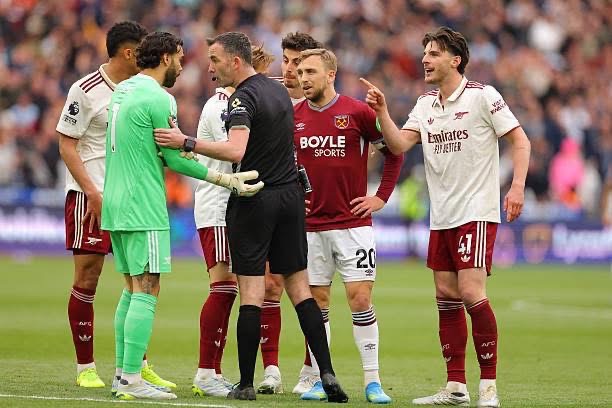
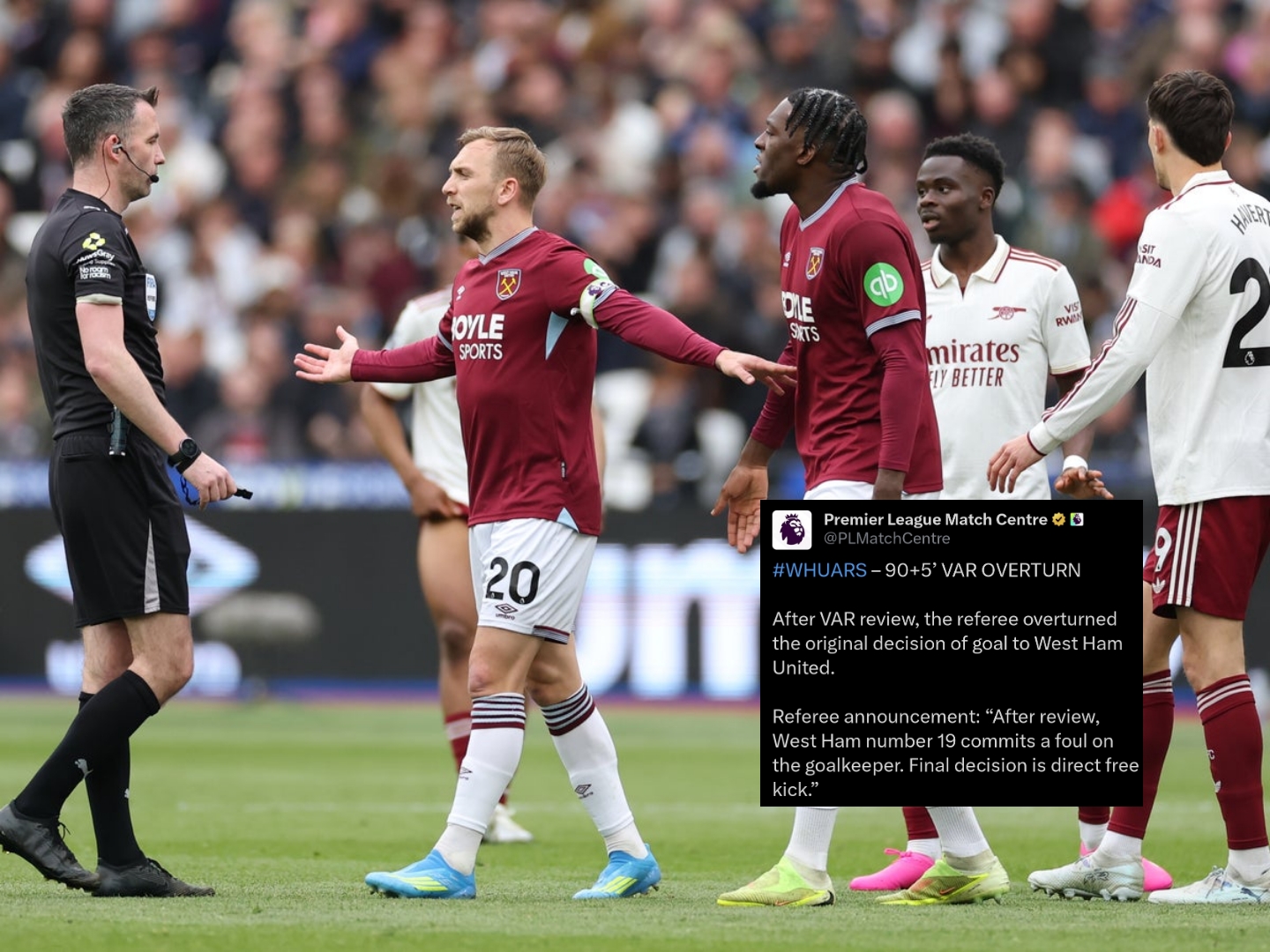
However, referee Chris Kavanagh delayed the restart following communication with the VAR team, triggering a lengthy review process that immediately increased tension among players and supporters.
After several minutes, the goal was ruled out.
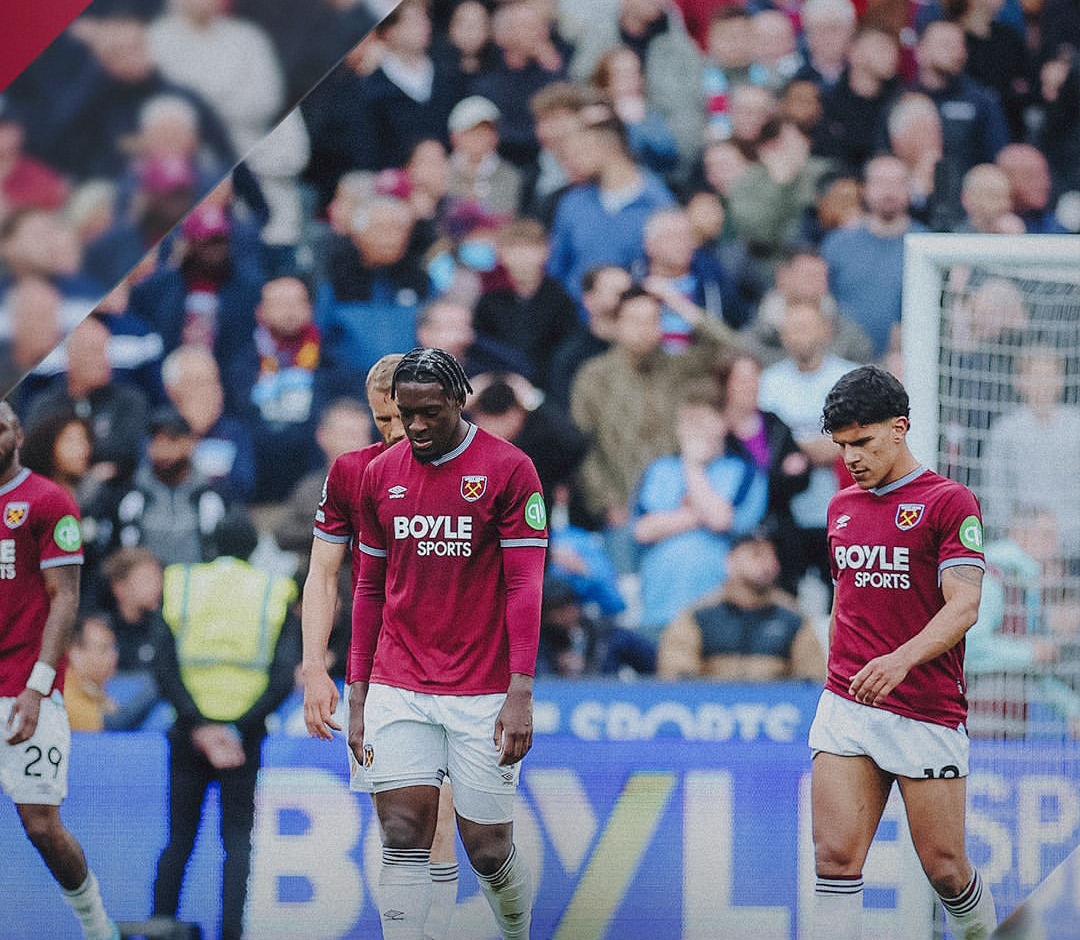
The decision prompted furious reactions from sections of the crowd, with many West Ham supporters struggling to understand the exact reasoning behind the overturn.
Why VAR controversies continue dominating Premier League discussions
The reaction to the incident highlights the growing disconnect between football authorities and supporters regarding VAR implementation.
VAR was introduced to reduce clear and obvious refereeing mistakes, yet many fans now believe the system has instead created:
Greater confusion
Longer interruptions
Inconsistent interpretations
Reduced emotional spontaneity
The West Ham-Arsenal controversy quickly became another example cited by critics who argue the current system lacks transparency.
One of the biggest frustrations for supporters is communication.
Inside stadiums, fans are often left waiting several minutes without clear explanations regarding:
Possible offsides
Fouls in build-up play
Handball interpretations
Subjective referee decisions
That uncertainty frequently increases anger regardless of whether the final decision is technically correct.
Tactical context behind the late West Ham pressure
Beyond the officiating controversy itself, the incident reflected how aggressively West Ham pushed for a result late in the match.
As Arsenal attempted to protect their lead, West Ham increasingly committed bodies forward:
Full-backs advanced higher
Midfielders attacked second balls aggressively
Crosses were delivered earlier into dangerous areas
Arsenal were forced deeper defensively
That tactical pressure eventually produced the chaotic sequence leading to the disallowed goal.
From a football perspective, it demonstrated one of West Ham’s strongest qualities under pressure — physical intensity during late attacking phases.
Historically, West Ham have often relied on:
Set-piece delivery
Direct attacking transitions
Aerial strength
Emotional momentum from supporters
Against technically superior sides like Arsenal, those moments frequently become their best opportunity to rescue results.
Arsenal’s defensive structure under pressure
The incident also exposed a recurring tactical challenge for Arsenal during high-pressure endings to matches.
Although Arsenal have improved significantly defensively in recent seasons, they can still appear vulnerable when:
Forced into deep defensive blocks
Defending repeated crosses
Protecting narrow leads late in games
Mikel Arteta’s side generally prefer controlling matches through possession and territorial dominance. However, when opponents increase physical pressure and direct deliveries into the box, Arsenal’s defensive organisation occasionally becomes less stable.
West Ham exploited that late uncertainty effectively.
Even though the goal was ultimately ruled out, the sequence itself reflected Arsenal’s difficulty in fully controlling chaotic defensive moments during emotionally charged fixtures.
Supporters react with frustration and suspicion
Reaction after the match was immediate across both UK and international football communities.
West Ham supporters largely focused on the lack of transparency surrounding the review process.
Some fans argued:
The review took too long
The explanation remained unclear
Similar incidents have produced inconsistent outcomes elsewhere
One supporter wrote online:
“Fans deserve clearer communication. Nobody inside the stadium knew what was happening.”
Another added:
“VAR is supposed to remove controversy, but every week the confusion gets worse.”
Arsenal supporters, meanwhile, largely defended the final outcome while acknowledging frustration over the length and handling of the review.
Many argued that regardless of emotion surrounding the incident, officials still have a responsibility to apply the laws correctly under pressure.
From a Nigerian football perspective, reactions were particularly intense due to the Premier League’s enormous popularity across Africa.
Nigerian fans tend to engage passionately with refereeing controversies, especially involving title races or major clubs. Across Nigerian football discussions online, the incident generated strong debate over:
Premier League officiating standards
VAR consistency
Referee accountability
Supporters across Africa increasingly follow Premier League officiating decisions as closely as the football itself — a reflection of how central VAR controversies have become to the modern viewing experience.
Referees facing growing pressure in the VAR era
The controversy also highlights the difficult environment modern referees now operate within.
Officials must make split-second decisions while knowing every incident will immediately face:
Slow-motion replay analysis
Social media scrutiny
Pundit debate
Fan reaction worldwide
That pressure has fundamentally changed refereeing culture.
Before VAR, many controversial incidents disappeared quickly into football debate. Now, every major decision becomes dissected frame by frame across television and online platforms.
Chris Kavanagh himself has officiated several high-profile Premier League fixtures in recent seasons and is regarded as one of England’s more experienced referees. Yet like many officials, he continues operating in an environment where trust in officiating systems remains fragile.
The wider Premier League problem
The deeper issue for the Premier League is not one isolated decision — it is the accumulation of controversy.
Over recent seasons, repeated disputes involving:
Offside interpretations
Handball laws
Contact thresholds
VAR intervention levels
have created growing frustration among supporters across nearly every club.
Football authorities continue insisting the system improves accuracy overall. Statistically, VAR has corrected numerous clear officiating errors since introduction.
However, football is not experienced statistically by supporters.
Fans experience matches emotionally, inside stadiums or through live broadcasts. Long delays, unclear explanations, and inconsistent interpretations damage that emotional connection regardless of technical accuracy.
That is why incidents like the West Ham-Arsenal controversy continue dominating discussion long after the final whistle.
What happens next?
The Premier League and PGMOL will likely face renewed calls for greater transparency following the latest controversy.
Possible reforms frequently suggested include:
Stadium audio explanations from referees
Faster review protocols
Greater consistency thresholds
Public release of VAR discussions
Other major sports already use some of these approaches successfully to improve supporter understanding during reviews.
English football, however, continues balancing tradition with technological intervention — often uncomfortably.
For West Ham, the focus now shifts back toward their fight for consistency and results. For Arsenal, attention remains firmly on sustaining momentum in a fiercely competitive title race.
Yet once again, the football itself risks becoming secondary to debate surrounding officiating.
And until supporters feel they fully understand how and why these decisions are being made, controversies surrounding VAR are unlikely to disappear from the Premier League conversation anytime soon.









Post Comment