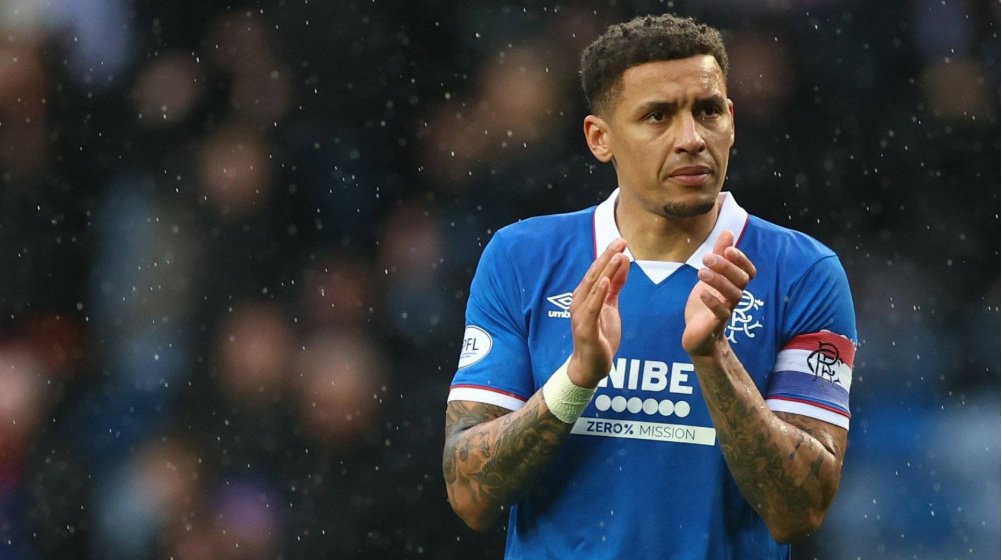
JAMES TAVERNIER POSTS “HEARTBREAKING” MESSAGE AFTER RANGERS FANS TURN ON THEIR CAPTAIN
Football has always been a game of fine margins—but at clubs like Rangers F.C., those margins are often measured not just in results, but in emotion, expectation, and loyalty. When those expectations are not met, the fallout can be brutal.
That reality hit hard following Rangers’ damaging 2–1 defeat to Heart of Midlothian F.C., a result that effectively ended their Scottish Premiership title hopes.
In the immediate aftermath, club captain James Tavernier found himself at the centre of a storm—criticised by pundits, targeted by sections of supporters, and dragged into a wave of social media trolling.
Then came the response.
A deeply emotional, “heartbreaking” message shared online by Tavernier—one that revealed a player wrestling with pressure, criticism, and the weight of leadership during one of the club’s most turbulent moments of the season.
The match that changed everything
The context behind Tavernier’s message is crucial.
Rangers travelled to Tynecastle knowing that anything less than a win would seriously dent their title ambitions. For much of the first half, things looked promising. They took the lead through Dujon Sterling, with Tavernier involved in the build-up via a long throw.
But what followed was a collapse.
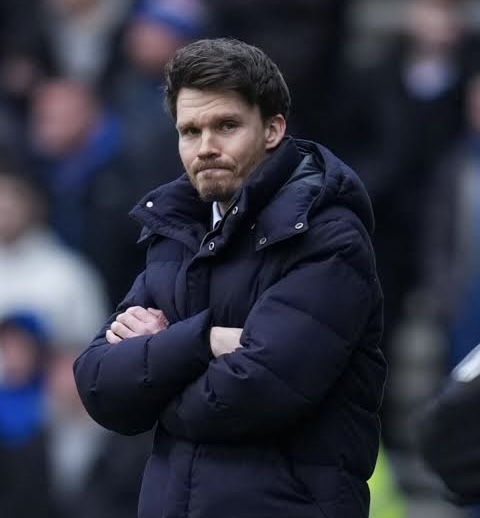
Hearts came out in the second half with renewed intensity. Tactical adjustments from manager Derek McInnes shifted the momentum entirely. Stephen Kingsley equalised, before captain Lawrence Shankland struck the decisive winner.
Rangers, once in control, suddenly looked fragile.
The defeat left them seven points off the pace and effectively out of the title race—a devastating blow for a club that had entered the season with championship ambitions.
Tavernier singled out: criticism turns personal
While football is a team sport, criticism often finds a single focal point—and this time, it was Tavernier.
The Rangers captain has long been a polarising figure. On one hand, he is statistically one of the most prolific defenders in football history, with over 100 goals for the club and a record-breaking scoring tally for a right-back.
On the other, questions about his defensive reliability and leadership have followed him throughout his tenure.
After the Hearts defeat, those questions became accusations.
Former striker and pundit Chris Sutton delivered one of the harshest critiques, describing Tavernier’s performance in scathing terms and blaming him for both goals conceded.
Even former Rangers figures joined the criticism, pointing to lapses in concentration and a perceived lack of urgency in key defensive moments.
But pundit criticism was only the beginning.
Fans turn: from frustration to trolling
Supporter reaction quickly escalated beyond disappointment.
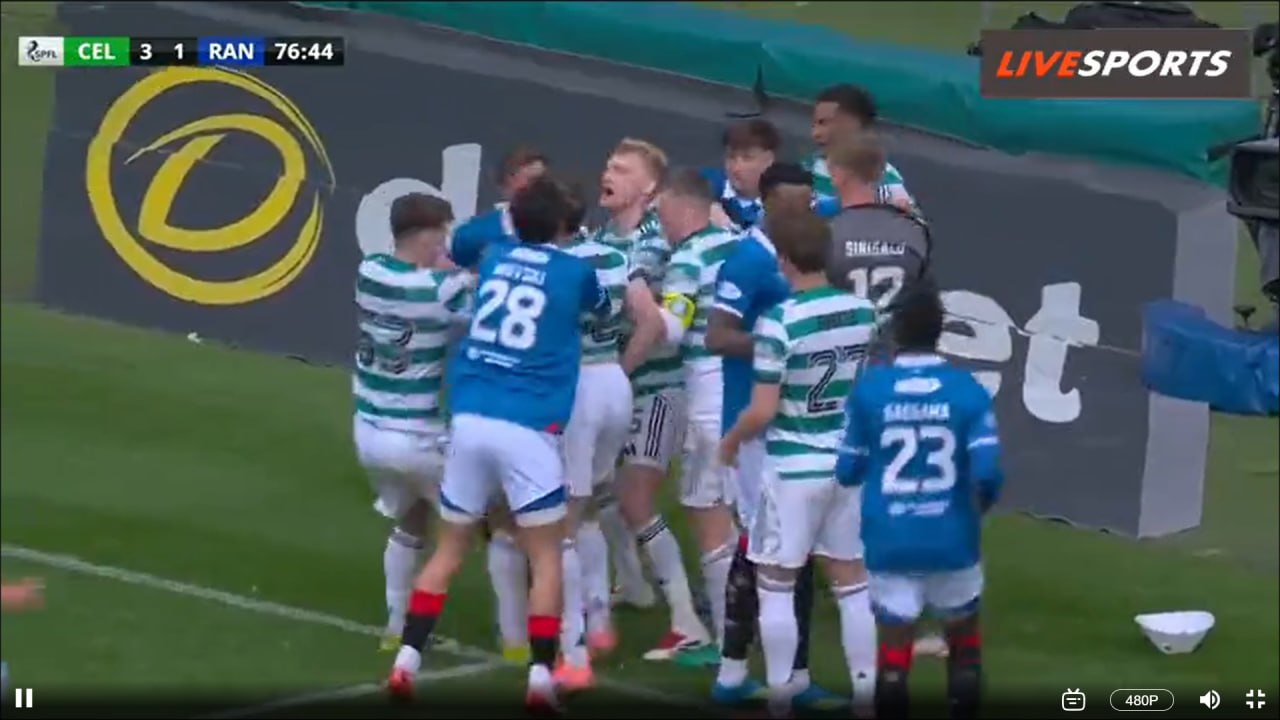
At full-time, frustration was already visible. Reports described heated exchanges between players and fans, with emotions running high after the collapse.
Online, the situation intensified.
Tavernier became the primary target of fan anger, with:
- Mocking posts highlighting defensive mistakes
- Calls for him to be stripped of the captaincy
- Accusations of lacking leadership and mentality
- Direct personal insults flooding social media
For a player who has spent over a decade at the club, lifting trophies and leading the team through highs and lows, the backlash cut deep.
This wasn’t just criticism—it felt personal.
The “heartbreaking” message
Amid the noise, Tavernier broke his silence.
In a message that quickly spread across social platforms, the Rangers captain expressed his feelings in a way that many described as raw and emotional.
While the exact phrasing varied across reports and fan reposts, the tone was clear:
- Acknowledgment of the pain of defeat
- Acceptance of responsibility as captain
- Frustration at the level of abuse directed toward him
- A reminder of his commitment and sacrifices for the club
The message also hinted at something deeper—fatigue.
Not physical fatigue, but emotional exhaustion from years of carrying expectations at one of the most demanding clubs in British football.
There was no defiance, no arrogance.
Just honesty.
Leadership under pressure
Being captain of Rangers is unlike wearing the armband at most clubs.
The expectations are relentless:
- Compete for titles every season
- Perform consistently in high-pressure matches
- Deliver in Old Firm clashes
- Represent the club publicly with authority
Tavernier has carried that responsibility since 2018, during one of the most transformative periods in the club’s modern history.
He has:
- Won the Scottish Premiership title
- Lifted domestic cups
- Led the team to a European final
- Become the highest-scoring defender in British football
Yet, moments like the Hearts defeat show how quickly narratives can shift.
One bad result—and years of achievement can be overshadowed.
The psychology of fan backlash
To understand the scale of the reaction, you have to understand the psychology of football fandom—especially at a club like Rangers.
Fans invest emotionally, financially, and psychologically in their teams. When expectations collapse, that emotional investment often turns into anger.
And anger needs a target.
Captains, by nature, become symbols:
- Of success when things go well
- Of failure when things fall apart
Tavernier, as the face of the team, absorbed that frustration.
But in the modern era, social media amplifies everything.
Criticism that once stayed in stadiums now follows players home—onto their phones, into their personal lives, and across global platforms.
A recurring pattern
This isn’t the first time Tavernier has faced such treatment.
In previous seasons, he has:
- Been criticised after Old Firm defeats
- Faced abuse following European disappointments
- Seen speculation about his future amid fan unrest
There were even reports in earlier years suggesting he could consider leaving due to fan backlash.
Each time, he responded the same way:
By staying.
By playing.
By leading.
Dressing room implications
Moments like this don’t just affect individuals—they affect the entire squad.
When a captain is publicly criticised:
- Teammates feel the pressure
- Dressing room morale can dip
- Leadership structures are questioned
For Rangers, this comes at a critical stage of the season.
With the title race effectively over, the focus shifts to:
- Securing a strong finish
- Rebuilding confidence
- Preparing for the next campaign
How the squad responds to this situation will define the club’s trajectory moving forward.
Tactical reality: was the criticism fair?
From a purely footballing perspective, Rangers’ defeat was not solely down to Tavernier.
The second-half collapse highlighted broader issues:
- Midfield control lost after tactical changes
- Defensive organisation breaking down under pressure
- Lack of attacking threat late in the game
While Tavernier may have been involved in moments leading to goals, the defeat was collective.
Yet football rarely deals in nuance—especially in the immediate aftermath of a loss.
The Nigerian fan perspective
Interestingly, Tavernier’s situation resonates strongly with football fans beyond Scotland—including in Nigeria.
Many Nigerian supporters follow European clubs passionately and understand the intensity of fan expectations.
On social media, reactions from Nigerian fans have been mixed:
- Some defended Tavernier, highlighting his contributions over the years
- Others echoed criticism, arguing that leaders must deliver in crucial moments
This dual perspective reflects a broader football truth:
Fans admire loyalty—but demand excellence.
What happens next?
The key question now is simple:
Where does Tavernier go from here?
There are several possible paths:
1. Redemption on the pitch
The most powerful response in football is performance. Strong displays in the remaining matches could shift the narrative.
2. Continued scrutiny
If results don’t improve, criticism may intensify—potentially leading to bigger questions about his future.
3. Leadership evolution
Moments like this can reshape a captain. Tavernier may emerge more resilient—or more distant.
A defining moment in a long career
At 34, Tavernier is approaching the latter stages of his career.
He has already secured his legacy at Rangers:
- Over 500 appearances
- Record-breaking goal contributions
- Major trophies and European runs
But legacy in football is not static—it evolves with every season.
This moment, painful as it is, could become:
- A turning point
- A final chapter
- Or a catalyst for resurgence
Conclusion: more than just a message
James Tavernier’s “heartbreaking” post was more than a reaction to trolling.
It was a window into the reality of modern football:
- The pressure of leadership
- The volatility of fan sentiment
- The emotional toll of elite competition
For Rangers fans, it raises uncomfortable questions:
- How should players be held accountable?
- Where is the line between criticism and abuse?
- And what does loyalty truly mean in football today?
For Tavernier, the message may have been emotional—but it was also human.
And in a sport often driven by statistics, results, and headlines, that humanity is easy to forget.
Until moments like this bring it back into focus.



Post Comment