Offside Controversy Sparks Debate as New Angle Emerges in West Ham Incident
A fresh wave of controversy has engulfed the Premier League after newly circulated footage of a disallowed goal involving West Ham United defender Konstantinos Mavropanos has reignited fierce debate over officiating standards, VAR consistency, and the interpretation of offside laws.
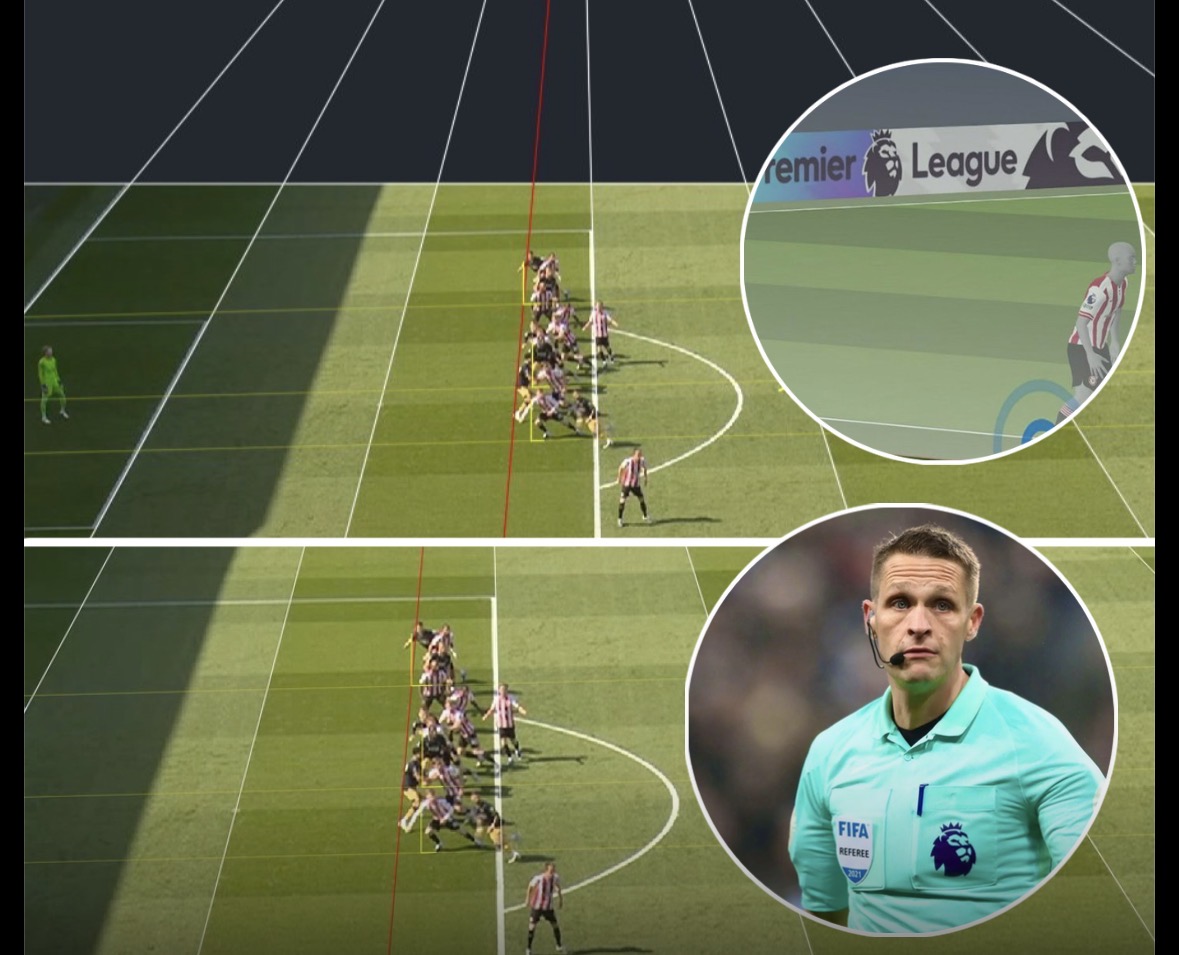
The incident, which occurred in the 21st minute of a tightly contested fixture, initially appeared straightforward. Mavropanos rose highest in the box to power home a header—seemingly redeeming himself after an earlier own goal. However, celebrations were cut short as the referee paused proceedings for a VAR review. Moments later, the goal was ruled out for offside, triggering confusion among players, pundits, and fans alike.
Now, with an alternate camera angle spreading rapidly across social media, the narrative surrounding that decision has shifted dramatically.
The Incident: From Redemption to Frustration
West Ham’s early defensive lapse had already put them under pressure, with Mavropanos unfortunately diverting the ball into his own net earlier in the match. When the Greek defender found the back of the net at the right end just minutes later, it felt like a moment of personal redemption and a crucial turning point for his side.
The goal came from a set-piece delivery—an area where West Ham have historically been strong. As the ball was whipped into the box, a cluster of players contested the aerial duel. Mavropanos timed his jump perfectly, directing a powerful header past the goalkeeper.
The assistant referee initially allowed play to continue, and the goal stood—briefly. Within seconds, however, VAR intervened.
What followed was a lengthy review, during which broadcast replays showed the now-familiar offside lines being drawn across the defensive and attacking lines. Eventually, the decision came: offside. Goal disallowed.
At the time, many accepted the call—albeit reluctantly—based on the limited angles shown. But that acceptance has since eroded.
The New Angle: Why It Changes Everything
The emergence of a previously unseen camera angle has thrown the decision into serious doubt. Unlike the original broadcast footage, this angle offers a clearer, more aligned perspective of the defensive line and Mavropanos’ positioning at the moment the ball was played.
From this viewpoint, several key questions arise:
- Was Mavropanos truly ahead of the last defender?
- Were the offside lines drawn correctly?
- Did the VAR system accurately account for body positioning and perspective?
Many fans and analysts now argue that the angle suggests Mavropanos may have been level—or even marginally onside—when the pass was made.
The controversy hinges on millimetres, as is often the case in modern VAR decisions. But it also highlights a broader issue: the reliability of camera angles and the potential for optical illusions when determining offside.
VAR and the Problem of Perspective
Since its introduction, VAR has promised to eliminate clear and obvious errors. However, incidents like this continue to expose its limitations.
One of the biggest challenges with offside decisions is the reliance on two-dimensional images to judge three-dimensional situations. Camera angles, frame selection, and line placement all play critical roles—and even small inconsistencies can lead to vastly different conclusions.
Critics argue that:
- The angle used in the initial decision may not have been the most accurate.
- The timing of the “freeze frame” can influence whether a player appears onside or offside.
- Human operators still play a significant role, introducing potential for error.
In this case, the alternate footage suggests that the original decision may have been based on a less reliable perspective.
Fan Reaction: “This Changes Everything”
Unsurprisingly, the reaction online has been explosive.
Supporters flooded social media platforms with clips of the new angle, accompanied by claims of injustice and accusations of inconsistency. Phrases like “VAR corruption” and “poor officiating” began trending, reflecting widespread frustration.
Many fans pointed out that similar incidents in other matches have been judged differently, raising concerns about a lack of uniformity in decision-making.
Others questioned why the alternate angle was not used during the original review. If a clearer perspective existed, why wasn’t it considered?
The sense of disbelief has been palpable. For West Ham supporters in particular, the moment feels like a costly turning point in the match—and potentially in their season.
Refereeing Under the Spotlight
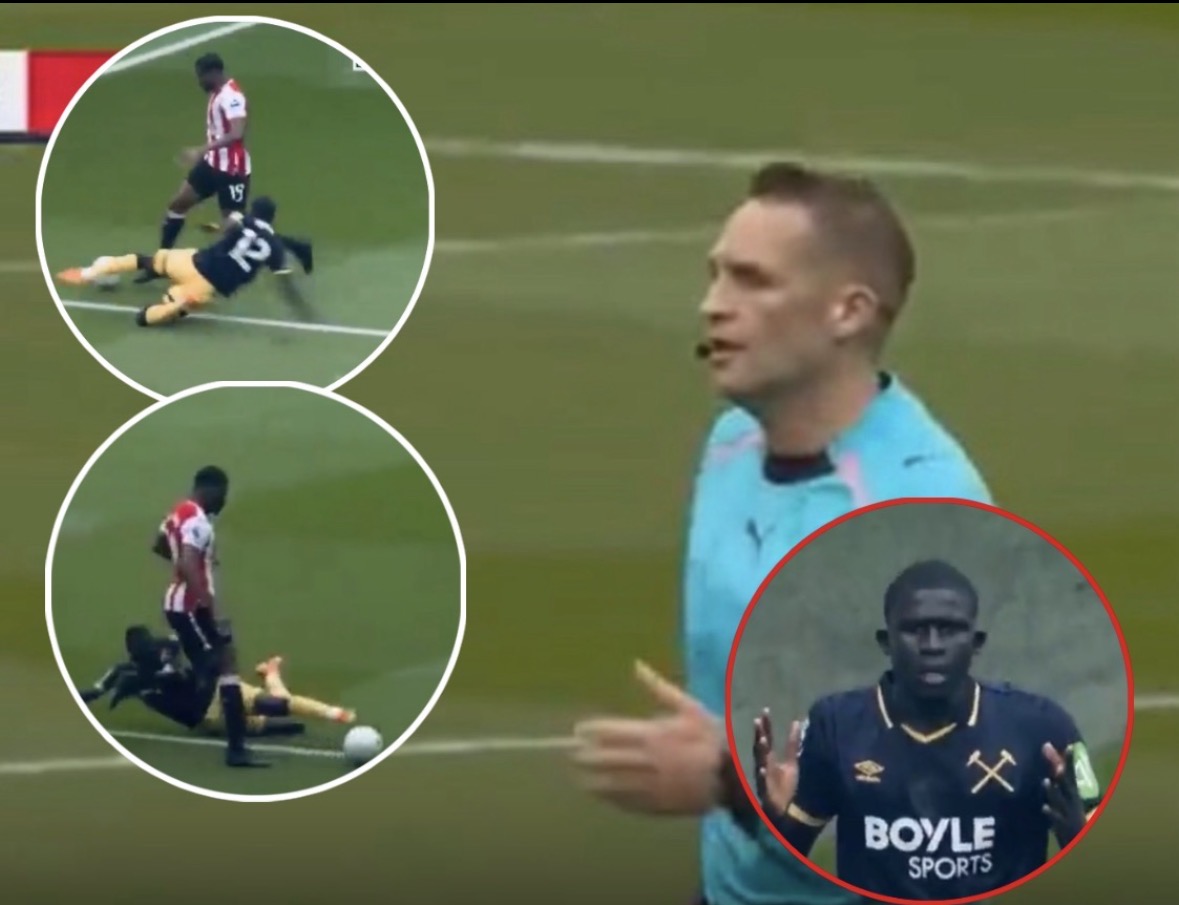
The referee at the centre of the controversy has also come under scrutiny, though it’s important to note that VAR decisions are collaborative processes involving multiple officials.
Still, this incident adds to a growing list of contentious calls in the Premier League this season. From handball interpretations to red card decisions, referees have faced increasing criticism from clubs, managers, and fans.
The Professional Game Match Officials Limited (PGMOL), the body responsible for refereeing standards in England, has previously acknowledged errors and issued apologies in certain cases. Whether this incident will warrant a similar response remains to be seen.
The Psychological Impact on Players
Beyond the technical debate, incidents like this can have a significant psychological effect on players.
For Mavropanos, the disallowed goal represented more than just a missed opportunity—it was a chance to atone for an earlier mistake. Having that moment taken away can be deeply frustrating and emotionally draining.
For the rest of the team, the decision may have disrupted momentum and confidence. Football is as much a mental game as it is physical, and controversial calls can shift the balance in subtle but important ways.
Tactical Implications
From a tactical perspective, the disallowed goal also had ripple effects on the match.
West Ham, known for their set-piece prowess, rely heavily on moments like these to gain an edge. Losing a goal from such a situation forces a team to adjust their approach, often pushing them to take greater risks in open play.
Meanwhile, the opposition gains a psychological boost, knowing they’ve avoided conceding.
In tight matches, these marginal moments can be decisive.
Broader Implications for VAR
This incident raises fundamental questions about the future of VAR:
- Should there be greater transparency in how decisions are made?
- Should fans and broadcasters have access to all available angles during reviews?
- Is the current system too reliant on technology that may not be as precise as intended?
Some have called for semi-automated offside technology—already used in other competitions—to be introduced more widely. This system uses multiple cameras and AI to track player movements and determine offside positions with greater accuracy.
Others argue for a more radical approach: simplifying the offside rule itself to reduce reliance on marginal calls.
The Role of Communication
One area where improvement is widely agreed upon is communication.
In many sports, referees explain their decisions to fans in real time. In football, however, VAR decisions are often announced with little context, leaving supporters confused and frustrated.
Had the officials provided a clearer explanation—perhaps even showing multiple angles—the reaction to this incident might have been less severe.
Transparency builds trust, and trust is essential for the credibility of the game.
A Familiar Story
Unfortunately, this is not an isolated incident. Similar controversies have occurred across the league, each adding to a growing sense of dissatisfaction with VAR.
While the technology has undoubtedly corrected some clear errors, it has also introduced new layers of complexity and debate.
For many fans, the question is no longer whether VAR is useful—but whether it is being used effectively.
What Happens Next?
As the debate continues, attention will turn to whether the Premier League or PGMOL will address the incident publicly.
Possible outcomes include:
- An official explanation of the decision
- A review of the VAR process used in the match
- Potential changes to guidelines or procedures
For West Ham, however, the focus will be on moving forward. Points lost cannot be recovered, and the season continues.
Conclusion
The emergence of the alternate angle in the Mavropanos offside incident has reignited one of football’s most contentious debates: the role and reliability of VAR.
What initially seemed like a routine decision has now become a symbol of broader concerns about consistency, transparency, and fairness in the modern game.
Whether the goal should have stood may ultimately remain a matter of interpretation. But one thing is clear: moments like this continue to shape the narrative of the Premier League season—and the ongoing evolution of football officiating.
As technology advances and scrutiny intensifies, the challenge for the sport will be finding the right balance between precision and practicality, ensuring that the game remains both fair and enjoyable.
For now, the debate rages on—and fans, once again, are left asking the same question: has VAR truly made football better, or simply more complicated?








Post Comment