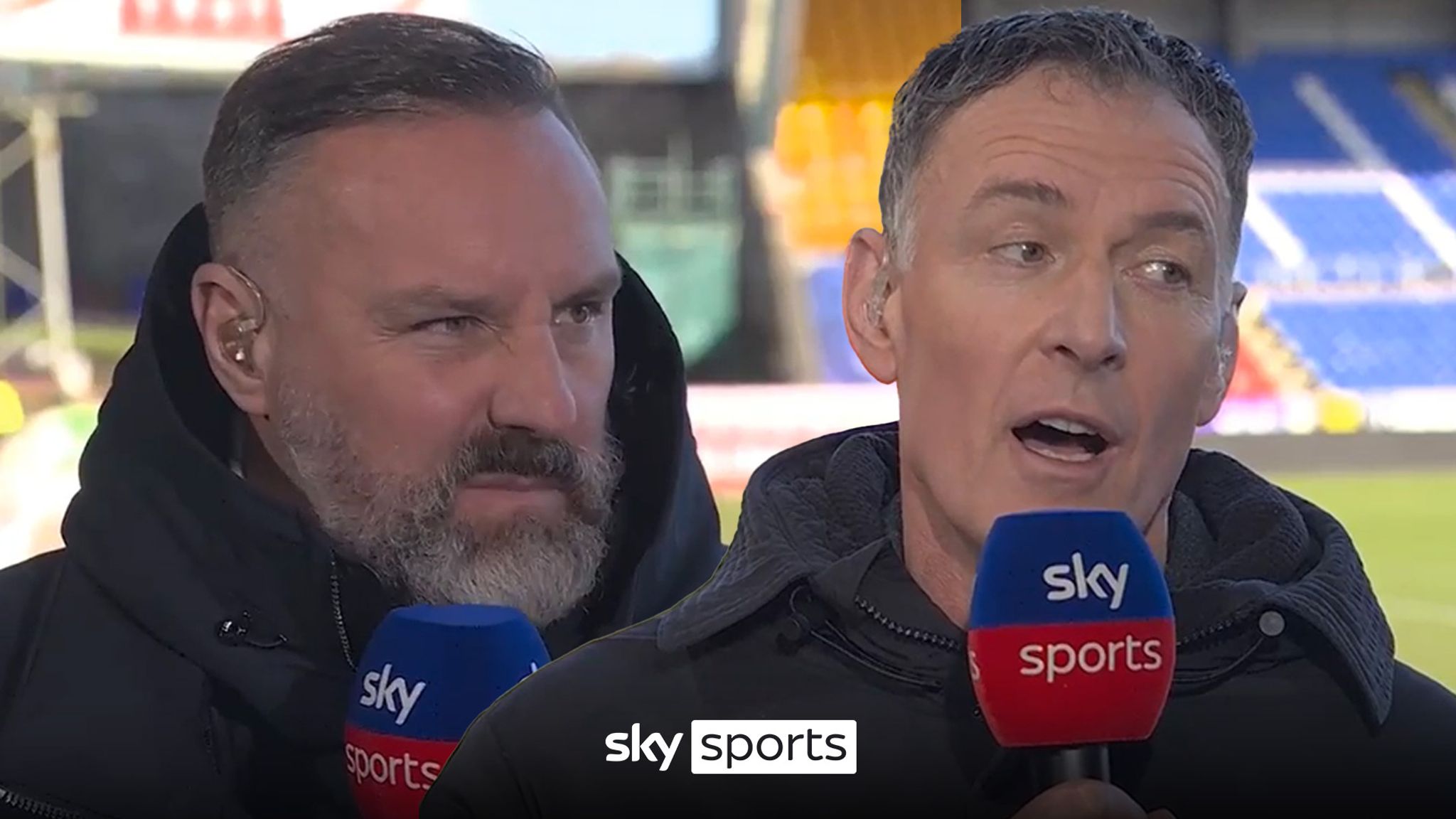
Rangers Fans React to Sutton Comment after controversial claim
The Scottish football media landscape is no stranger to fiery debates, especially when it involves the Old Firm rivalry. But a recent post-match analysis session took things to another level. After Rangers secured a 4-2 victory over Dundee United , former Celtic striker and pundit Chris Sutton delivered what many Rangers supporters viewed as an unnecessarily brutal dig at the Ibrox club—live on air.
The comments sparked immediate backlash, with fans questioning how Sutton continues to make such pointed remarks without significant repercussions. Then, former Rangers striker **Kris Boyd** stepped in with a powerful, no-holds-barred reply that left viewers stunned and ignited an emotional wave of support from the Gers faithful.
This incident highlights the passionate, often tribal nature of punditry in Scottish football. It also raises broader questions about bias, accountability, and the role of ex-players in shaping narratives around big clubs like Rangers.
The Match Context: A Convincing Win Overshadowed by Words
Rangers went into the fixture against Dundee United needing a strong performance to maintain momentum in the Premiership. The game delivered goals aplenty, ending 4-2 in Rangers’ favour. On paper, it was a solid result—three points banked, goals scored, and a reminder of the attacking threat the Light Blues can pose on their day.
Yet, in the post-match studio discussion, the focus quickly shifted away from the positives. Chris Sutton, never one to shy away from controversy, launched into a critique that went beyond tactical analysis. He reportedly downplayed the significance of the win, suggesting Rangers still fell short in key areas despite the scoreline, and aimed a dig that many interpreted as dismissive of the club’s current standing and ambitions.
For Rangers fans, already navigating the high-pressure environment of a title-chasing season under their manager, Sutton’s words felt like salt in the wound. “How is he getting away with saying this live on air?” became a common refrain across social media and fan forums. Supporters pointed out the timing: a victory that should have been celebrated was instead used as a platform for another perceived anti-Rangers narrative.
Sutton’s history as a Celtic hero and his outspoken style make him a polarising figure. He has built a reputation for blunt assessments, often targeting Rangers’ performances, recruitment, or mentality. While some praise him for “telling it like it is,” others see a pattern of selective criticism that disproportionately targets the Ibrox side while giving Celtic more leeway. In this case, the 4-2 win—featuring clinical finishing and moments of quality—seemed an odd moment to unload a “brutal dig.”
Sutton’s Track Record: Consistent Critic or Serial Provocateur?
This wasn’t an isolated incident. Sutton has frequently weighed in on Rangers’ fortunes over the years, from European exits to domestic struggles. His commentary often carries an edge that resonates with Celtic supporters but frustrates Gers fans, who accuse him of bias stemming from his playing days at Parkhead.
Critics argue that broadcasters continue to platform Sutton precisely because of his willingness to stir debate. In an era where sports media thrives on engagement—clicks, views, shares, and heated discussions—controversial takes drive audience numbers. Sutton’s Celtic credentials lend him authority in the eyes of some, allowing him to frame opinions as informed insight rather than partisanship.
However, Rangers supporters counter that this “getting away with it” dynamic reveals a deeper issue in Scottish football broadcasting. They point to instances where similar criticism directed at Celtic might face quicker pushback or different framing. The question isn’t whether pundits should criticise—healthy analysis is essential—but whether there’s consistency and fairness in how rival clubs are scrutinised.
The Dundee United game provided a perfect storm: a high-scoring win that still left room for nitpicking (defensive lapses in conceding two goals, perhaps, or questions over squad depth). Sutton seized on those vulnerabilities to deliver his verdict, seemingly undeterred by the result itself.
Kris Boyd’s Powerful Reply: The Rangers Perspective Strikes Back
Enter Kris Boyd. The former Rangers striker, who knows the club inside out from his goalscoring days at Ibrox, was having none of it. Boyd’s response was direct, passionate, and rooted in the realities of what it means to wear the blue jersey.
In a studio exchange that quickly went viral, Boyd challenged Sutton’s narrative head-on. He highlighted the context of the win, defended the players’ efforts, and pushed back against what he saw as unfair minimisation of Rangers’ achievements. Boyd didn’t just defend—he countered with statistics, observations from the game, and a broader point about the standards expected at a club like Rangers.
His reply stunned many because it was unfiltered and emotional in a way that cut through the polished punditry. Boyd reminded viewers (and Sutton) of the pressure-cooker environment at Ibrox, where even comfortable victories are dissected relentlessly. He argued that Rangers had shown character and quality in overcoming Dundee United, and that constant negativity from certain voices only adds unnecessary weight to an already demanding season.
The moment sparked an outpouring from Rangers fans. Social media lit up with praise for Boyd, with many hailing him as a voice that “gets it.” Supporters shared clips of the exchange, praising Boyd for refusing to let the narrative slide. Some described feeling “emotional” seeing a former player stand up for the club so robustly. Hashtags and fan groups buzzed with messages of solidarity, with comments like “Finally, someone says what we’re all thinking” and “Boyd stunned the world with that one.”
Boyd’s intervention wasn’t just about one game. It tapped into a wider frustration among Rangers supporters: the sense that their club is held to impossibly high standards while rivals receive more understanding. His background as a Rangers legend gave his words extra weight—he wasn’t an outsider criticising; he was speaking from experience.
The Fan Reaction: Refusing to Stay Silent
Rangers fans have never been known for silence, and this episode proved no exception. Across platforms, the response was swift and vocal. Many expressed anger at Sutton, questioning why broadcasters tolerate what they see as repeated bias. Petitions or calls for balance in pundit panels circulated informally, reflecting a desire for more neutral or diverse voices.
Others celebrated Boyd as a hero of the moment. His reply wasn’t just television gold; it felt personal. For fans who invest emotionally in every match, seeing their club defended so forcefully provided validation. It reminded them that not everyone in the media is willing to pile on without context.
This emotional reaction underscores the unique intensity of Scottish football. The Old Firm divide means every comment carries extra baggage. Fans don’t just watch games—they live them, and pundits’ words can feel like direct attacks on their identity and community.
Some neutral observers suggested the furore was overblown, typical of rivalry banter. Yet for those immersed in it, the exchange represented something deeper: a battle over narrative control. Who gets to define a “good” performance? When does criticism cross into agenda-driven territory?
Broader Implications for Scottish Football Punditry
Incidents like this shine a light on the state of football media in Scotland. Pundits like Sutton and Boyd bring colour and personality, turning post-match shows into must-watch events. Their clashes generate headlines and debate, which benefits broadcasters.
But there’s a risk. When analysis feels consistently skewed, it erodes trust. Rangers fans’ question—”How is Chris Sutton getting away with this?”—echoes concerns about impartiality. Broadcasters have a responsibility to ensure panels represent balanced viewpoints, especially on divisive topics.
At the same time, Boyd’s reply demonstrates the value of having former players who aren’t afraid to defend their clubs. Passionate rebuttals keep discussions honest and prevent one-sided monologues.
Ultimately, this episode is symptomatic of the title race’s tension. With Rangers pushing for silverware, every result and every word is magnified. A 4-2 win should have been straightforward cause for positivity, yet it became another flashpoint.
Moving Forward: Passion Without Poison?
As the season progresses, expect more of these moments. Scottish football thrives on its rivalries, and figures like Sutton and Boyd embody that fire. The key for fans, clubs, and media is channelling that energy constructively.
Rangers supporters have shown they won’t stay silent—and that’s their right. Boyd’s powerful intervention served as a reminder that narratives can be challenged effectively when backed by knowledge and conviction.
In the end, football is about opinions, but it’s also about results on the pitch. Rangers’ 4-2 victory delivered three points. Whether pundits choose to acknowledge the progress or focus on perceived flaws will continue to divide. What matters most is how the club and its fans respond—on the field and in the stands.
The debate rages on, as it always does in Glasgow. But for one night, Kris Boyd’s reply gave Rangers fans a moment of catharsis amid the noise









Post Comment