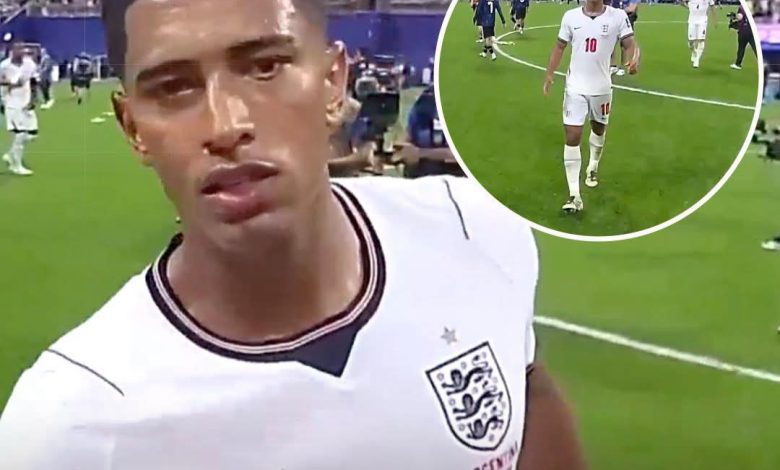
In the high-stakes world of international football, few moments capture raw emotion, controversy, and scrutiny quite like the aftermath of a World Cup semi-final. The 2026 FIFA World Cup provided yet another chapter in the storied rivalry between England and Argentina, culminating in a dramatic 2-1 victory for the defending champions on July 15 in Atlanta. As the final whistle blew on England’s hopes of reaching the final, new referee camera (ref cam) footage has thrust Real Madrid star Jude Bellingham into the spotlight once more. The clip captures the 23-year-old midfielder delivering a pointed seven-word remark to American referee Ismail Elfath: “Some shocking ones but all the best.”
This incident, combined with Bellingham’s alleged slap on Argentina substitute Valentín Barco and broader frustrations over officiating, has fueled intense debate. FIFA’s disciplinary bodies are now under pressure to act, raising questions about potential sanctions that could impact Bellingham’s future international or club commitments. This article delves deeply into the match context, the footage, the controversies, Bellingham’s career trajectory, historical parallels, and the wider implications for football governance.
The Match: A Tale of Dominance, Collapse, and Controversy
The semi-final at Atlanta’s stadium was billed as a clash of titans. England, managed by Thomas Tuchel, entered with momentum, while Argentina, led by Lionel Messi in what could be his swan song on the global stage, aimed to defend their crown.
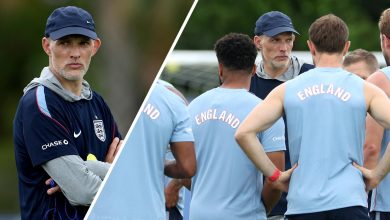
England took a deserved lead in the 55th minute through Anthony Gordon, sparking jubilant scenes among the Three Lions supporters. For much of the game, Tuchel’s side looked solid, but a shift to more defensive tactics—substituting Gordon for a centre-back and adjusting midfield—drew sharp criticism. Wayne Rooney, among others, lambasted the approach post-match, arguing it invited pressure against a team of Argentina’s quality.
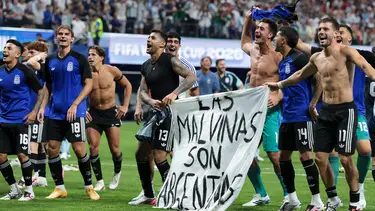
Late drama defined the outcome. Enzo Fernández equalized, followed by Lautaro Martínez’s winner, both assisted by the evergreen Messi. Argentina’s physical, “dark arts” style—committing numerous fouls, particularly in the first half—frustrated England. Reports noted Argentina with up to 15 fouls overall, yet limited bookings early on. Key flashpoints included a heavy challenge by Fernández on Elliot Anderson that many felt warranted a red card, and a potential foul by Messi on Djed Spence just before the winning goal, which VAR did not review.
Referee Ismail Elfath, a Moroccan-American official, faced significant scrutiny. His appointment was controversial due to perceived inexperience at the highest level and unfamiliarity with many players. Ref cam footage throughout the tournament has highlighted the pressures on officials, but this match amplified calls for accountability. Fans, pundits, and even a British MP circulated clips labeling decisions a “worldwide scandal,” with some demanding a replay.
England’s campaign did not end in despair. They secured third place with a thrilling 6-4 win over France in the playoff, where Bellingham netted his seventh goal of the tournament—a record for an Englishman at a single World Cup. Argentina, meanwhile, fell to Spain 1-0 in the final after extra time.
The Ref Cam Moment: Bellingham’s Frank Assessment
Post-match ref cam footage, released or leaked via FIFA channels and shared widely on platforms like TikTok, shows Bellingham approaching Elfath amid the chaos. He extends a handshake—a gesture of sportsmanship—and delivers the seven-word line: “Some shocking ones but all the best.” He then walks away, visibly emotional, before breaking down in tears on the pitch.
The comment is measured yet pointed. Bellingham acknowledges the referee’s difficult job (“all the best”) while highlighting perceived errors (“some shocking ones”). In the heat of a World Cup semi-final exit, such candor from a player of his profile is noteworthy. It contrasts with more explosive reactions in football history but still invites scrutiny under FIFA’s rules on dissent or bringing the game into disrepute.
Social media erupted. Supporters praised Bellingham’s honesty and leadership, viewing it as validation of England’s grievances. Critics, particularly from the Argentine side or neutral observers, saw it as unsportsmanlike or an attempt to shift blame from tactical shortcomings. The footage adds to the growing archive of ref cam content, which FIFA has used to enhance transparency but which also fuels conspiracy theories and fan outrage.
The Slap Incident: A Separate but Connected Controversy
Compounding the referee comments is video evidence of Bellingham appearing to slap Argentina substitute Valentín Barco on the back of the head after the whistle. The altercation sparked a confrontation involving players from both teams, with Elfath intervening. No immediate card was issued, but the moment went viral, prompting calls for FIFA review.
Bellingham’s frustration reportedly stemmed from Barco’s behavior, possibly mocking or provoking England players. This incident echoes past on-pitch tensions in high-pressure games. FIFA’s disciplinary committee is expected to investigate, potentially leading to a fine, suspension, or warning. Precedents include Bellingham’s own €40,000 fine in 2021 by the DFB for referee comments after a Dortmund defeat.
Ex-FIFA officials and pundits have weighed in, suggesting sanctions are likely but context matters—post-match emotions, provocation, and lack of injury. A lengthy ban seems improbable given the tournament’s conclusion, but any punishment could carry over or affect club form.
Bellingham’s Journey: From Prodigy to Lightning Rod
Jude Bellingham’s rise has been meteoric. Breaking through at Birmingham City, excelling at Borussia Dortmund, and starring for Real Madrid and England, he embodies modern midfield dynamism—box-to-box energy, leadership, and technical brilliance. At the 2026 World Cup, he was England’s standout, contributing goals, assists, and tenacity.
Yet, his competitive fire often draws scrutiny. Past incidents include red cards and heated exchanges with officials in La Liga and internationals. These reflect a player who demands high standards but must navigate the fine line between passion and discipline. Supporters argue his comments stem from genuine belief in officiating inconsistencies; detractors see a pattern risking his reputation.
In the broader England setup under Tuchel, Bellingham’s influence extends beyond the pitch. His post-match tears humanized the defeat, resonating with fans who invested emotionally in the campaign.
Officiating in the Spotlight: Ref Cam, VAR, and Calls for Reform
The 2026 tournament amplified debates on refereeing. Ref cam technology offers unprecedented insight, demystifying decisions but also inviting endless analysis. Elfath’s performance in the semi-final joined a list of contentious calls across the competition.
Critics point to inconsistencies: lenient treatment of Argentina’s physical play versus stricter application elsewhere. Calls for replays or disqualifications, though unrealistic, highlight frustrations with VAR’s limitations and human error. FIFA faces pressure to improve training, transparency, and accountability—perhaps through more full-time professionals or enhanced tech.
Historical parallels abound: the 1966 World Cup final’s controversies, Maradona’s “Hand of God,” or recent VAR sagas. Bellingham’s remark taps into a universal fan sentiment that officials can decide fates in split seconds.
Potential FIFA Punishment: What Lies Ahead?
FIFA’s disciplinary code covers unsportsmanlike conduct, dissent, and actions bringing the game into disrepute. For the slap, a fine or short suspension is plausible. The verbal comment, being less aggressive, might warrant a warning, especially post-handshake.
Factors influencing the outcome include intent, provocation, prior record, and impact on the sport’s image. Bellingham’s global profile means any ruling will be dissected. England FA support is likely, emphasizing context. A measured response could preserve relations while deterring future incidents.
Comparisons to other stars—Messy’s occasional outbursts or Ronaldo’s—show that elite players often test boundaries. Consistency in enforcement is key to credibility.
Broader Impacts on Football and Fans
This saga underscores football’s passion. The England-Argentina rivalry, steeped in 1966, 1986, and beyond, thrives on drama. For fans, it provides talking points but risks eroding trust in the sport if perceived injustices persist.
Young players watching Bellingham see the rewards of excellence and the pitfalls of unchecked emotion. Coaches emphasize emotional intelligence alongside skill. Media amplification via social platforms accelerates narratives, for better or worse.
Economically, controversies boost engagement—viewership records were set—but long-term, fair play sustains the game’s appeal.
Lessons and the Road Forward
Jude Bellingham’s seven-word comment encapsulates the rawness of elite competition. It was neither a tirade nor silence but a candid acknowledgment of perceived flaws amid respect. Paired with the Barco incident, it paints a picture of a driven athlete navigating defeat’s sting.
As FIFA deliberates, the football world watches. Bellingham will likely emerge stronger, channeling experiences into future triumphs—perhaps at Euro 2028 or the next World Cup cycle. England, post-Tuchel era considerations aside, showed resilience. Argentina’s campaign highlighted Messi’s enduring magic and squad depth despite the final loss.
Ultimately, these moments remind us why we love the game: its humanity, unpredictability, and capacity for both glory and grievance. Comprehensive reviews of officiating, clearer guidelines on player conduct, and technological advancements can help balance intensity with integrity.
In an era of superstars and super scrutiny, Bellingham stands as a symbol of modern football’s complexities. His story continues, one passionate remark and thunderous performance at a time. Whether FIFA imposes punishment or opts for leniency, the discourse it sparks benefits the sport by prompting reflection on standards, fairness, and the emotional toll of the beautiful game.