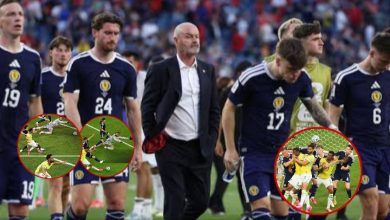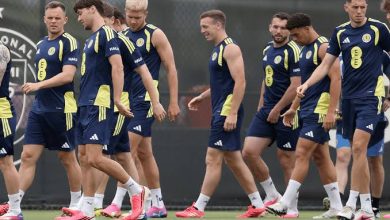
The dreams of a nation came crashing down on Saturday night as Scotland’s historic return to the World Cup ended in heartbreak. After 28 years away from football’s greatest stage, Steve Clarke’s side finished third in Group C with just three points from three matches—a 1-0 win over Haiti, followed by narrow and heavy defeats to Morocco and Brazil. Croatia’s 2-1 victory over Ghana in Group L mathematically confirmed their elimination, dashing hopes of advancing as one of the eight best third-placed teams.
As the Tartan Army processes the exit from a tournament co-hosted by the United States, Canada, and Mexico, off-field drama has overshadowed the on-pitch disappointment. A prominent Scottish international player now faces serious charges in the United States, while one of his teammates has already returned home amid the fallout.
### A Campaign of Highs, Lows, and What-Ifs
Scotland entered the 2026 World Cup with genuine optimism. Qualifying dramatically with a late winner against Denmark at Hampden Park in November 2025 marked their first appearance since France ’98. Under Clarke, who had steered them to consecutive European Championships, the squad boasted experience, Premier League talent, and a never-say-die spirit that endeared them to neutrals worldwide.
The group draw placed them alongside giants Brazil, solid Morocco, and debutants Haiti in Group C. It was tough but navigable on paper, especially with the expanded 48-team format offering second chances via the third-place playoff route.
The campaign opened promisingly on June 14 at Gillette Stadium in Foxborough. John McGinn’s 28th-minute strike secured a 1-0 victory over Haiti in front of a raucous Scottish support. The Tartan Army turned Boston into a sea of saltire blue, creating an atmosphere reminiscent of Euro 2024. For 90 minutes, Scotland looked organized, compact, and clinical on the counter.
Reality bit hard five days later. Morocco, buoyed by their strong showing in 2022, edged a tight contest 1-0 with an early goal from Bilal El Khannouss’s replacement, Saibari. Scotland created chances—Scott McTominay hit the post, and Che Adams was denied by a superb save—but lacked the cutting edge. A 0-1 defeat left them needing a result against the five-time champions.
The final group game on June 24 at Hard Rock Stadium in Miami was always a daunting prospect. Brazil dismantled Scotland 3-0, with Vinícius Júnior scoring twice and Matheus Cunha adding another. An early error gifted the first goal, and Scotland’s fatigue from a demanding schedule showed. Despite moments of resistance, including a spirited second-half showing, the gulf in quality was evident. Alisson in the Brazilian goal remained largely untroubled.
Finishing with a -3 goal difference and three points, Scotland’s fate rested on other results. As groups concluded, surprise outcomes—including Ecuador’s comeback against Germany and strong performances from African and Asian sides—pushed the bar higher. Croatia’s win over Ghana sealed it. Scotland were out, becoming the latest side to exit without reaching the knockout stage despite the tournament’s generosity.
Manager Steve Clarke, who had signed a contract extension through 2030 just weeks earlier, announced his resignation shortly after confirmation. In an emotional statement, he praised the players’ efforts and the fans’ unwavering support but accepted responsibility for failing to make history. “We gave everything, but it wasn’t enough,” Clarke said. His tenure, which transformed Scotland into a competitive unit, now appears over. Speculation swirls around successors like Graham Potter or even a return for a familiar face.
### Off-Field Turmoil: Charges and a Premature Return
The sporting exit has been compounded by troubling news from within the camp. According to reports emerging late Saturday, one unnamed Scottish international—understood to be a key squad member with significant Premier League experience—faces federal charges in the United States related to an alleged incident during the team’s stay in the country.
Details remain limited as the situation develops, but sources indicate involvement in an altercation or financial matter that has drawn the attention of U.S. authorities. The player has reportedly been cooperating with investigators while legal representatives engage with both the Scottish FA and U.S. officials. This comes at a sensitive time, with the squad still in the U.S. for what was hoped to be a longer stay.
Compounding the disappointment, a teammate has already flown back to the UK. The player, who featured in the group stages but struggled with fitness, cited personal reasons and family commitments for his early departure. Insiders suggest the decision was mutual, allowing him to avoid the media scrutiny surrounding the team’s elimination and the emerging legal issues. His return has been described as “low-key,” with the SFA confirming he left with full support but declining further comment on individual matters.
These incidents highlight the pressures of major tournament life, especially on foreign soil. The Tartan Army, known for their passionate yet good-natured following, have largely celebrated their team’s qualification achievement despite the results. However, questions are being raised about squad management, player welfare, and preparation for the unique demands of a World Cup hosted across three nations and multiple time zones.
### Reflections on a Historic Yet Heartbreaking Return
Scotland’s 2026 campaign will be remembered for the joy of qualification and the opening win rather than progression. They competed admirably against top opposition but were undone by fine margins, clinical finishing from opponents, and perhaps a touch of inexperience at this level.
Key performers included McGinn, whose leadership and goal provided the highlight, and defenders like Kieran Tierney and Scott McKenna, who battled valiantly. Younger talents gained invaluable exposure, boding well for future campaigns—though the immediate focus will shift to UEFA Nations League and Euro 2028 qualifying.
The expanded format gave Scotland a platform, but football’s brutal realities prevailed. As one pundit noted, “Reaching the World Cup is an achievement; progressing is the next mountain.”
For the fans who traveled in their thousands—filling stadiums, pubs, and streets from Boston to Miami—the journey was worth it. Their chants echoed long after the final whistle in Miami. “We’ll be back,” remains the rallying cry.
As the squad prepares to disband, with some facing club pre-season and others dealing with personal and legal challenges, Scottish football stands at a crossroads. The Clarke era delivered consistency but ended on a sour note. The SFA must now rebuild, learn from this experience, and ensure the next generation capitalizes on the momentum built over recent years.
Scotland’s 2026 World Cup adventure is over, but the story of a football-mad nation chasing glory continues. From the highs of qualification to the lows of elimination and off-field issues, it has been a rollercoaster. The Tartan Army will regroup, as they always do—proud, resilient, and ready for the next battle.