CELTIC FANS ARE FED UP WITH TWO PLAYERS FOLLOWING 4–1 DEFEAT TO BENFICA AND DEMAND THEY BE DROPPED IMMEDIATELY

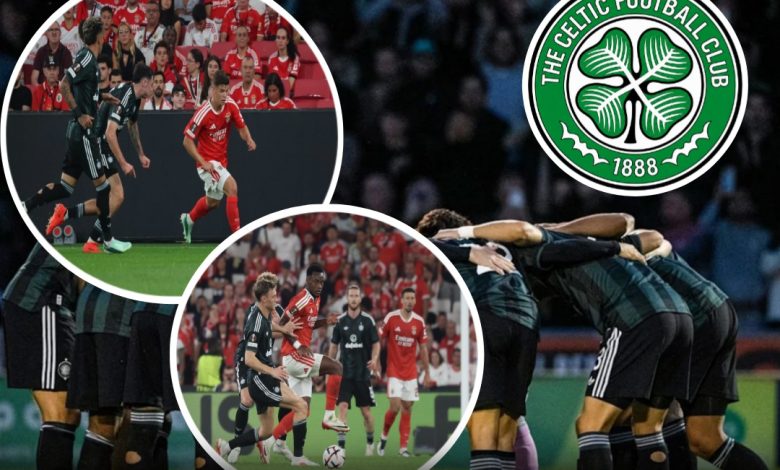
Celtic supporters have been left frustrated following their team’s disappointing 4–1 defeat to Benfica in the UEFA Europa League, with questions being raised about individual performances, defensive organisation and the manager’s team selection. After another difficult European night, attention has turned towards the players who struggled to make an impact as the Scottish champions were punished by a ruthless Benfica side in Lisbon.
The result, played at the Estádio da Luz on Thursday, October 15, has intensified the scrutiny surrounding Celtic’s performances in major European matches. Jhon Durán scored twice, while Alexander Bah and Vangelis Pavlidis also found the net for the Portuguese hosts. Camilo Durán scored Celtic’s only goal, but his second-half effort was not enough to change the outcome of a match that had already swung heavily in Benfica’s favour.
For a club with Celtic’s history, fanbase and ambitions, such a defeat inevitably brings difficult questions. Supporters want to see their team compete with confidence, defend with discipline and take advantage of opportunities when they arise. Instead, the performance in Lisbon exposed weaknesses that the coaching staff must now address.
Among the players attracting attention are defender Dane Murray and winger Sebastian Tounekti, whose performances have become part of the wider discussion following the defeat. Reactions on Celtic fan forums have included criticism of both players, although supporters do not all share the same opinion, and no confirmed club decision has been announced to drop either player.
A NIGHT TO FORGET FOR CELTIC
Celtic travelled to Portugal hoping to produce a performance that would strengthen their position in the Europa League. However, their evening quickly developed into a difficult examination of their defensive resilience.
The opening stages offered little indication of how badly the match would eventually turn against Martin O’Neill’s side. Celtic attempted to establish themselves in the contest, but an early penalty changed the atmosphere and placed immediate pressure on the visitors.
In the fifth minute, Dane Murray brought down Jhon Durán inside the penalty area. The referee pointed to the spot, and the Benfica forward confidently converted with a chipped finish to give the hosts a 1–0 lead.
Conceding so early was a significant setback. Celtic needed to remain organised, avoid further mistakes and prevent Benfica from building momentum. Instead, the home side continued to find opportunities to attack.
Alexander Bah doubled Benfica’s advantage in the 23rd minute after Gianluca Prestianni delivered a dangerous cross into the penalty area. Bah finished the move to make it 2–0, leaving Celtic with a considerable challenge before half-time.
The situation became even worse in the 36th minute when Durán scored his second goal of the evening. Benfica went into the interval with a commanding 3–0 advantage, having exposed Celtic’s defensive problems and taken full advantage of their opportunities.
For Celtic supporters watching the match, the first half was particularly difficult to accept. Their team had travelled to Lisbon hoping to demonstrate improvement, yet the scoreline suggested that the visitors had been unable to cope with Benfica’s attacking quality.
DANE MURRAY UNDER PRESSURE AFTER EARLY PENALTY
One of the most uncomfortable talking points from the match concerns Dane Murray, who conceded the penalty that gave Benfica their early advantage.
Defenders are often judged on their ability to make difficult decisions under pressure. In European football, a single mistimed challenge or positional error can dramatically change the course of a game. Murray’s involvement in the opening goal therefore placed him under immediate scrutiny.
The young defender faced a difficult assignment against a Benfica attack capable of moving quickly and exploiting spaces. However, conceding a penalty so early left Celtic chasing the game before they had established any rhythm.
The incident also created a psychological challenge for the rest of the defence. Rather than playing patiently and building confidence, Celtic were forced to respond to an opponent that had already taken control of the scoreboard.
Murray’s performance must nevertheless be considered in context. A defensive error can be costly without necessarily defining a player’s entire ability or future at the club. Celtic’s defensive struggles involved more than one moment, and the collective organisation of the team also requires examination.
Nevertheless, supporters who believe changes are necessary will expect the coaching staff to assess whether Murray should retain his place in the next match. The decision will depend on his overall performance, training, confidence and the alternatives available to O’Neill.
For a young player, the challenge is to respond positively to criticism. Murray must learn from the incident, demonstrate improved decision-making and show that he can handle the demands of playing for a club expected to compete at the highest level.
SEBASTIAN TOUNEKTl FACES QUESTIONS AFTER A DIFFICULT EVENING
Sebastian Tounekti is another player whose performance has featured in online criticism following Celtic’s heavy defeat.
The winger started the match but was replaced at half-time, with Callum Osmand coming on as Celtic attempted to change the direction of the contest.
Substitutions are not always an indication that a manager has lost confidence in a particular player. Tactical adjustments, fitness considerations and the need for a different attacking approach can all influence decisions made during a match.
However, being withdrawn at the interval in a game where the team is trailing 3–0 inevitably invites questions.
Celtic struggled to produce a convincing attacking performance during the first half. Benfica controlled important periods of the contest, while the visitors found it difficult to turn their possession and attacking movements into sustained pressure.
Tounekti’s withdrawal gave the coaching staff an opportunity to reshape the forward line. It also demonstrated that O’Neill recognised the need to make changes rather than allow the same pattern to continue.
Some supporters may argue that players who fail to make a sufficient impact in major European matches should face competition for their starting positions. Others may believe that the responsibility should be shared between the players, the tactical approach and the team’s overall structure.
Both perspectives are relevant to Celtic’s current situation.
If Tounekti is to regain his place, his response must come through his performances. Greater effectiveness in possession, improved decision-making in the final third and a stronger contribution to the team’s pressing could help him answer his critics.
At the same time, one difficult European night should not automatically determine his future. The important question is whether he can demonstrate the consistency required to help Celtic compete more effectively.
WHY SUPPORTERS ARE CALLING FOR CHANGES
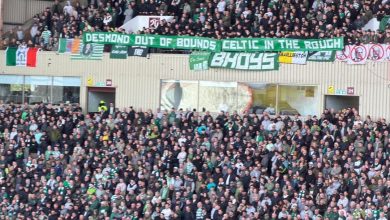
The reaction to the Benfica defeat goes beyond the performance of two individuals. It reflects wider frustration about Celtic’s inability to produce convincing results in important European fixtures.
The first-half collapse was particularly damaging because the team conceded three times before the break. Once Benfica established that advantage, Celtic faced the difficult task of scoring repeatedly while attempting to prevent further goals.
Supporters expect their team to respond to adversity with determination. However, they also expect evidence that the coaching staff can identify weaknesses and make the necessary adjustments.
Online discussion following the defeat included criticism of Celtic’s defence, concerns about the goalkeeping situation and questions about the selection of certain players. Some supporters also expressed frustration with the club’s recruitment and the squad’s ability to compete against stronger European opposition.
These reactions demonstrate the scale of the disappointment, but they should not be interpreted as proof that every Celtic supporter wants the same players dropped.
Football supporters frequently disagree about who is responsible for a poor result. Some focus on individual mistakes, while others believe tactical decisions and recruitment problems are more important.
What is clear is that a 4–1 defeat creates pressure on everyone involved. Players must improve their performances, the manager must review his decisions, and the club must consider whether the squad has the balance and quality required for its ambitions.
BENFICA EXPOSE CELTIC’S DEFENSIVE WEAKNESSES
The scoreline highlighted how difficult Celtic found it to contain Benfica during the opening 45 minutes.
The hosts were able to create dangerous situations and punish mistakes, while Celtic struggled to maintain the defensive stability required to keep the match competitive.
The early penalty was followed by Bah’s finish and Durán’s second goal. By half-time, Celtic had conceded three times and faced the possibility of another heavy European defeat.
The problems were not limited to the individual who conceded the penalty. Defensive football depends on coordination between the centre-backs, full-backs, midfielders and goalkeeper.
When one player is drawn out of position, another must recognise the danger and provide cover. When an opponent advances into space, the midfield must help prevent the defence from being exposed. If these responsibilities are not fulfilled collectively, even talented defenders can struggle.
Celtic must therefore examine the reasons Benfica were able to create so many dangerous situations.
The coaching staff will need to assess the team’s defensive distances, the effectiveness of its pressing and its ability to respond when possession is lost. These details are especially important in European competition, where opponents can punish small mistakes.
Simply replacing two players may not solve every problem. If the underlying organisation remains unchanged, similar weaknesses could reappear against the next opponent.
However, selection changes can still be useful when they improve the team’s balance, introduce greater physicality or provide players with a fresh opportunity to demonstrate their quality.
CAMILO DURÁN OFFERS A POSITIVE MOMENT
Despite the disappointing result, Celtic did produce a more encouraging performance after the interval.
Camilo Durán scored in the 63rd minute, meeting a cross from Haissem Hassan with a header that gave the visitors a goal to celebrate.
The goal was important because it demonstrated that Celtic could create opportunities against Benfica when their attacking movements became more effective.
Hassan’s introduction also helped provide additional energy, while the visitors began to threaten more regularly. Durán subsequently struck the outside of the post, and Celtic created other opportunities that might have reduced the deficit further.
O’Neill later praised the second-half response and highlighted the impact of his substitutes. His comments suggested that the improvement after the break was a source of encouragement, even though the overall result remained disappointing.
That response offers an important lesson for Celtic. The team must find a way to begin matches with the same urgency and attacking purpose it demonstrated after half-time.
Waiting until the scoreline becomes damaging before increasing the intensity is a dangerous strategy, particularly against opponents with Benfica’s quality.
The players must learn to combine attacking ambition with defensive responsibility from the opening whistle.
MARTIN O’NEILL FACES IMPORTANT SELECTION DECISIONS
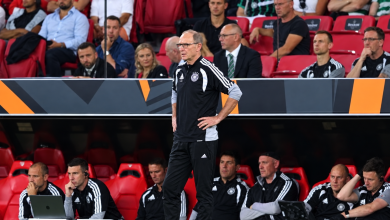
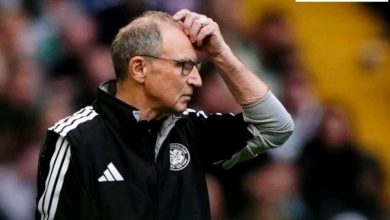
The defeat also places Martin O’Neill under pressure to identify the best starting eleven for Celtic’s upcoming fixtures.
Managers are judged not only on their tactical ideas but also on their willingness to respond when performances fall below expectations. After a result like this, supporters will naturally expect changes if the manager believes the existing combination of players is not working.
O’Neill has several decisions to consider.
Should Murray retain his place after conceding the early penalty? Would another defensive combination provide greater stability? Should Tounekti start the next match, or would another attacking option offer a better balance? Could Celtic benefit from making more aggressive changes earlier in games?
These questions deserve careful consideration rather than decisions based solely on frustration.
A manager must balance accountability with the need to maintain confidence throughout the squad. Dropping a player can create competition and send a message that performances matter, but repeatedly changing the team without a clear plan can also undermine consistency.
O’Neill must identify which players are best equipped to execute his tactical approach and ensure that every member of the squad understands their responsibilities.
The manager’s own decisions also require scrutiny. If substitutes make a noticeable difference, it is reasonable to ask whether some of those players should have started or whether the initial tactical plan needed to be adjusted earlier.
The objective should be to improve Celtic’s overall performance, not simply to find individuals to blame.
CELTIC MUST RESPOND BEFORE FRUSTRATION DEEPENS
The Benfica result leaves Celtic with significant work to do in the Europa League.
The defeat followed their opening league-phase loss to Ferencváros, meaning the Scottish side had suffered consecutive defeats in the competition. The team therefore needs to improve quickly if it is to strengthen its chances of progressing.
The immediate priority is to restore defensive confidence and ensure that the same mistakes do not become a recurring feature of the season.
Celtic must also find a better balance between attacking football and defensive discipline. Creating chances is important, but those opportunities lose much of their value if the team repeatedly concedes avoidable goals.
The upcoming domestic fixtures provide an opportunity to demonstrate a response. A convincing performance would help rebuild confidence, while another disjointed display would increase the pressure on the manager and the players.
Supporters will want to see greater determination, better organisation and more consistent performances from the opening minute.
They will also expect the club to learn from the defeat rather than treat it as an isolated setback.
WILL THE TWO PLAYERS BE DROPPED?
The debate surrounding Dane Murray and Sebastian Tounekti illustrates the difficult choices Celtic face after a disappointing European performance.
Murray was involved in the incident that led to Benfica’s opening penalty, while Tounekti was substituted at half-time as O’Neill attempted to change the team’s attacking approach. Both circumstances have contributed to discussion about whether changes are needed.
However, neither player’s place in the next starting eleven has been officially confirmed as lost, and there is no basis for claiming that all Celtic fans have demanded their immediate removal.
The manager will have to evaluate their performances alongside those of the rest of the squad. He must also consider the availability of alternatives, the tactical requirements of the next fixture and the players’ ability to respond to criticism.
For Murray, the challenge is to demonstrate that he can defend with greater composure and make better decisions under pressure.
For Tounekti, it is about showing that he can contribute more consistently to Celtic’s attacking play and make the most of opportunities when selected.
Both players have an opportunity to respond, but they must recognise that performances in important matches carry consequences.
CONCLUSION: CELTIC NEED MORE THAN JUST TWO CHANGES
Celtic’s 4–1 defeat to Benfica has intensified questions about the team’s defensive organisation, player selection and ability to compete in Europe.
The performances of Dane Murray and Sebastian Tounekti have become part of the wider debate, with criticism from some supporters adding to the pressure surrounding the squad. Yet the problems exposed in Lisbon cannot automatically be solved by dropping two individuals.
The early penalty, Benfica’s ability to exploit defensive weaknesses and Celtic’s difficult first half all contributed to the result. The improved second-half display offered some encouragement, but it could not erase the damage already done.
O’Neill now faces the responsibility of deciding which players should start, which tactical adjustments are necessary and how Celtic can avoid another disappointing European performance.
For supporters, the message is straightforward: they want to see a team that competes from the first minute, defends with discipline and takes responsibility when things go wrong.