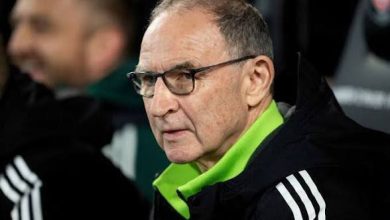
MARTIN O’NEILL NEEDS HELP, NOT THE SACK, INSISTS CELTIC HERO AS HE CALLS FOR A MAJOR SHAKE-UP BEHIND THE SCENES

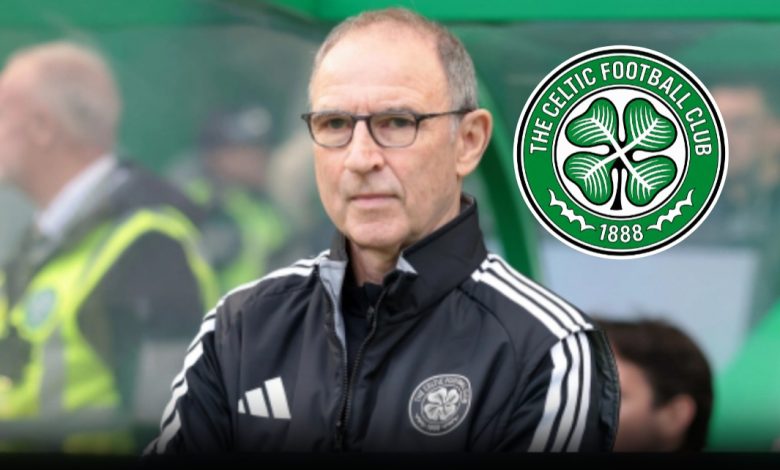
Celtic have found themselves at the center of another storm following a difficult run of results, with questions continuing to grow over the future of manager Martin O’Neill. Defeats in major matches have intensified the pressure from supporters, while pundits and former players have debated whether the club should make another dramatic managerial change.
However, one of Celtic’s most respected former captains, Stiliyan Petrov, has delivered a powerful message that has immediately sparked discussion across Scottish football. Rather than calling for O’Neill to lose his job, Petrov believes the manager deserves stronger backing from the club’s hierarchy. His argument is simple: the solution is not another sacking—it is a complete restructuring behind the scenes.
The former midfield leader has urged Celtic’s board to appoint a new director of football, claiming the club needs better football leadership, smarter recruitment, and a clearer long-term strategy if it wants to compete consistently at the highest level.
His comments have reignited the debate over where Celtic’s real problems lie.
### A CLUB UNDER INTENSE PRESSURE
Few clubs in Europe experience pressure quite like Celtic. Every defeat is magnified, every dropped point becomes headline news, and expectations remain extraordinarily high regardless of circumstances.
Supporters expect domestic dominance while also demanding meaningful progress in European competition. That combination creates an environment where patience is often in short supply.
Martin O’Neill arrived with enormous expectations, carrying the reputation of a manager capable of restoring winning standards. Yet recent performances have exposed weaknesses throughout the squad, leading many fans to wonder whether the project is already beginning to unravel.
Calls for change have naturally focused on the manager.
Petrov disagrees.
Instead, he believes replacing another coach would only repeat mistakes made by countless football clubs who treat symptoms rather than addressing the underlying problem.
### PETROV’S POWERFUL MESSAGE
According to Petrov, Celtic’s priority should be strengthening the football structure rather than searching for another manager.
His proposal centers on appointing a director of football who can work alongside Martin O’Neill instead of above him. Such a role would help oversee recruitment, player development, long-term planning, and sporting strategy, allowing the manager to concentrate primarily on coaching and preparing the team.
For Petrov, modern football has changed dramatically.
Elite clubs rarely depend on one individual to control every sporting decision. Instead, successful organizations build strong departments where recruitment analysts, sporting directors, academy leaders, and coaching staff work toward one shared vision.
He believes Celtic should embrace that model.
### WHY A DIRECTOR OF FOOTBALL MATTERS
The director of football role has become one of the most influential positions in modern football.
Rather than handling daily training sessions, the position focuses on the club’s long-term sporting identity.
Typical responsibilities include:
* Identifying transfer targets.
* Overseeing recruitment strategy.
* Coordinating academy development.
* Negotiating player contracts.
* Supporting the manager with squad planning.
* Creating continuity even if managers change.
Petrov argues that giving Martin O’Neill this level of support would remove enormous pressure from one individual and allow Celtic to make more consistent football decisions.
Instead of rebuilding every time a new manager arrives, the club could maintain one clear football philosophy.
### ARE CELTIC’S PROBLEMS REALLY ABOUT THE MANAGER?
That is the biggest question facing the club.
Recent defeats have undoubtedly damaged confidence, but football is rarely as simple as blaming one person.
Several issues have emerged throughout the season:
Inconsistent defending: Celtic have conceded goals from situations supporters expect the team to control better.
Squad depth concerns: Injuries have exposed a noticeable drop in quality when key players are unavailable.
Transfer questions: Fans continue debating whether enough was done during recent transfer windows to strengthen weak positions.
European consistency: Domestic success alone is no longer enough for many supporters, who want Celtic to compete more effectively on the continental stage.
Petrov believes these are structural football issues rather than problems that disappear by changing the coach.
### MARTIN O’NEILL’S CHALLENGE
Managing Celtic has never been easy.
Every press conference becomes a test of leadership, every selection decision is analyzed, and every result shapes the public narrative.
O’Neill now faces perhaps the toughest period of his tenure.
He must rebuild confidence inside the dressing room while preparing for crucial fixtures that could define the season. At the same time, he continues to answer relentless questions about his own future instead of focusing entirely on football.
Petrov’s intervention may not remove that pressure, but it changes the conversation.
Instead of asking whether O’Neill should stay, people are beginning to ask whether he has been given enough support to succeed.
### THE BOARD’S BIG DECISION
Celtic’s directors now face an important strategic choice.
Do they continue with the current structure?
Or do they modernize the football department by introducing a director of football?
Neither option guarantees success.
However, appointing a sporting director would represent one of the biggest organizational changes the club has made in years. It would signal a commitment to long-term planning rather than short-term reactions.
Supporters are divided.
Some believe immediate results matter more than structural reform.
Others argue Petrov’s vision could protect the club from repeating the same cycle every few seasons.
### WHAT THE FANS ARE SAYING
The reaction among supporters has been passionate.
Many fans welcomed Petrov’s comments, praising him for refusing to make Martin O’Neill the sole scapegoat. They argue that recruitment decisions, squad balance, and long-term planning have all contributed to the current difficulties.
Others remain unconvinced.
Their view is straightforward: Celtic managers are judged by results, and poor performances inevitably raise questions regardless of the club’s structure.
Both perspectives reflect the enormous expectations surrounding one of Britain’s biggest football clubs.
### RECRUITMENT HAS BECOME A MAJOR TALKING POINT
Perhaps no issue generates more debate than transfers.
Every successful Celtic era has been built on intelligent recruitment.
Finding talented players before their value explodes has allowed the club to dominate domestically while generating significant income through player sales.
When recruitment succeeds, managers receive praise.
When it fails, managers often receive blame.
Petrov believes separating recruitment from coaching responsibility would create greater stability.
A director of football could ensure every signing fits the club’s long-term identity instead of changing with every managerial appointment.
### THE IMPORTANCE OF STABILITY
Football history repeatedly shows that constant managerial changes rarely guarantee improvement.
Clubs that dismiss coaches every few months often struggle to build lasting success because philosophies change, recruitment changes, and dressing rooms become unsettled.
Petrov’s message emphasizes stability over panic.
He believes Martin O’Neill deserves the opportunity to work within a stronger football structure before drastic decisions are made.
That is not blind loyalty.
It is an argument for organizational improvement.
### EUROPEAN AMBITION REMAINS THE STANDARD
For Celtic, domestic trophies are expected.
European progress is the dream.
Closing the gap on stronger continental clubs requires more than passion alone. It demands excellent recruitment, elite player development, financial discipline, and strategic planning.
Petrov believes those ambitions become more realistic when football decisions are coordinated through experienced leadership behind the scenes.
Whether supporters agree or disagree, the discussion highlights one undeniable truth:
Celtic are searching for the next step in their evolution.
### INSIDE THE DRESSING ROOM
While public debate focuses on boardrooms and tactics, the players remain responsible for performances on the pitch.
Senior figures must now lift morale after disappointing results.
Young players require confidence rather than panic.
The coaching staff must quickly correct defensive mistakes while maintaining belief in the attacking identity supporters expect to see.
Martin O’Neill’s biggest task may not be tactical—it may be psychological.
Winning football matches often begins with restoring confidence.
### A DEFINING MOMENT FOR CELTIC
The coming weeks could shape the entire season.
Strong performances would ease pressure and strengthen belief in the current project.
Further setbacks would inevitably intensify scrutiny despite Petrov’s public backing.
That makes every match increasingly significant.
Supporters will watch not only the results but also the response—the intensity, the organization, and the character shown by the team.
### FINAL WORD
Stiliyan Petrov’s message is clear and uncompromising: Martin O’Neill needs help, not the sack.
Rather than demanding another managerial change, the Celtic legend believes the club should strengthen its football leadership with the appointment of a director of football and a major behind-the-scenes restructure. His argument shifts attention away from one individual and toward the wider system that shapes recruitment, planning, and long-term success.
Whether Celtic’s board acts on that vision remains to be seen. But one thing is certain—the debate has moved beyond the touchline. The future of the club may depend not only on who stands in the dugout, but on the decisions made in the boardroom behind the scenes.