Harry Kane Becomes the First England Star to Break Silence After Thomas Tuchel Confirms Jordan Henderson’s Replacement Following FIFA Decision That Leaves Fans Furious

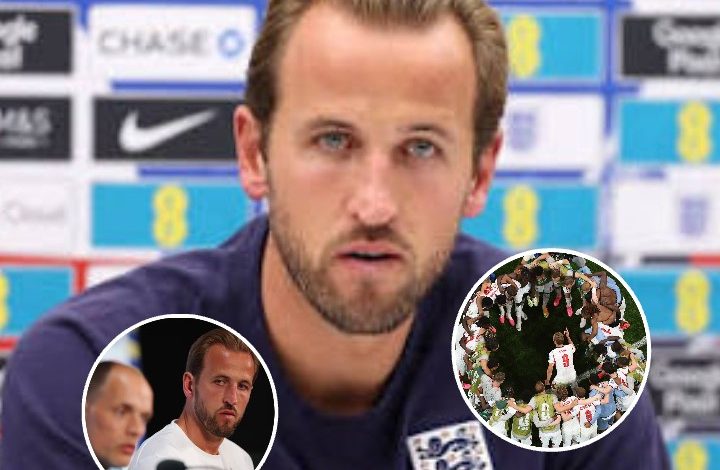
In the high-stakes drama of the 2026 FIFA World Cup, England’s thrilling 3-2 victory over Mexico in the round of 16 at the iconic Estadio Azteca was supposed to be a night of unbridled celebration. Jude Bellingham starred with a brace, Harry Kane delivered a crucial penalty, and the Three Lions advanced despite playing with 10 men after Jarell Quansah’s red card. Yet, the euphoria was cruelly overshadowed by a freak injury to veteran midfielder Jordan Henderson, sparking a wave of frustration among fans, questions about squad depth, and immediate tactical headaches for manager Thomas Tuchel.
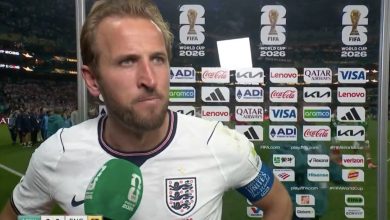
Captain Harry Kane, ever the composed leader, became the first England star to publicly address the incident in a post-match interview with the BBC. His voice reportedly cracked with emotion as he described the chaotic scenes: “Yeah, Hendo just fell over there. I think he’s OK, something to do with his arm.” Kane’s words, delivered amid the exhaustion of a grueling encounter played at altitude, captured the mixed emotions sweeping through the England camp. What started as a historic win—England becoming one of the few teams to triumph at the Azteca in such fashion—quickly turned into concern for a key squad figure.a90b0c
The Freak Accident That Changed Everything
The injury occurred in the immediate aftermath of the final whistle. As players and staff poured onto the pitch to celebrate with fans, singing an impromptu rendition of Oasis’s “Wonderwall,” Henderson— an unused substitute who had even picked up a yellow card from the sidelines—attempted to vault over the advertising hoardings. He landed awkwardly, suffering a serious wrist injury that required oxygen on the pitch and a stretcher exit. Thomas Tuchel later confirmed the severity in his post-match press conference, describing it as “really bad” and noting Henderson’s trip to the hospital.
Subsequent updates revealed a broken wrist, with Henderson opting for surgery. At 36, this likely marks the end of his World Cup campaign and possibly his international career in a competitive sense. The veteran, recalled by Tuchel for his leadership and experience despite limited playing time (just a handful of minutes across the tournament), had been a unifying presence in the squad. His absence leaves a void not just in midfield depth but in the dressing room culture.
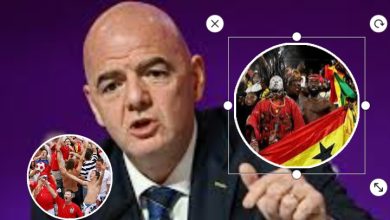
FIFA’s strict squad rules amplified the blow. Unlike goalkeepers, who can be replaced at any time for medical reasons, outfield players cannot be substituted once the tournament begins unless changes were registered before the first group match. This regulation, designed to maintain competitive integrity and squad stability, has left England with a 25-man squad operating one short for the remainder of the campaign. Fans have erupted in fury online and in media discourse, labeling the rule “archaic” and “unfair” in the context of a month-long global showpiece where injuries are inevitable. Petitions and social media campaigns have called for FIFA to review its policies, arguing it punishes teams for circumstances beyond their control.
Tuchel’s Tactical Dilemma and Potential Replacement
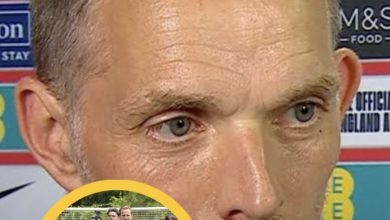
Thomas Tuchel wasted little time addressing the situation. In confirming Henderson’s replacement needs, he hinted at flexible options within the existing group. Reports suggest the German tactician is considering shifting versatile defender John Stones into a midfield role if further issues arise with players like Elliot Anderson. Stones’ composure on the ball and passing range make him a viable, albeit unorthodox, solution in a double-pivot or deeper-lying playmaker position.
Tuchel’s squad selection had already drawn scrutiny, with big names like Harry Maguire, Phil Foden, and Cole Palmer omitted in favor of a statement squad. Now, the Henderson blow tests the depth further. England faces Norway in the quarter-finals in Miami, and the manager must balance attacking flair with defensive solidity without the experienced Henderson to steady the ship. Kane, Bellingham, and others will need to step up in leadership, a theme Kane himself touched upon indirectly in his comments.
The timing could not be worse. England has shown resilience—coming from behind against Mexico and managing a red card—but the squad is already managing other concerns, including Reece James’s fitness. Fans worry that without a direct like-for-like replacement, the team’s midfield control could suffer against Norway’s organized setup.
Kane’s Leadership in the Spotlight
Harry Kane’s immediate response highlights why he remains the heartbeat of this England side. As captain and all-time leading scorer, his ability to stay focused amid chaos is legendary. In the interview, Kane’s broken voice wasn’t just from shouting instructions or celebrating; it reflected genuine concern for a teammate and the broader implications for the team. He has shouldered immense pressure throughout the tournament, delivering goals and now navigating the emotional toll of squad adversity.
Kane’s Bayern Munich form has translated well, and his partnership with Tuchel (from their time at the club) provides stability. Yet, the captain knows the stakes: England is eyeing a first World Cup title since 1966. The Henderson saga adds another layer of “us against the world” mentality that has fueled past successful campaigns.
Social media and pundits have been divided. Some praise Kane’s class in addressing it first, while others criticize the celebrations that led to the injury as reckless. Henderson himself later broke his silence, expressing disappointment but commitment to supporting the team from afar, per reports.
Broader Implications and Fan Fury
The FIFA decision has ignited debates about player welfare and tournament rules. Critics argue that in an era of packed schedules and intense physical demands, rigid squad limits ignore modern realities. England’s fans, already passionate, have voiced outrage, with hashtags trending and calls for rule changes before future tournaments. This isn’t the first time FIFA regulations have frustrated teams, but the visibility of a freak celebration injury has amplified the issue.
For England, the path forward involves resilience. Tuchel’s experience at elite levels will be crucial. Potential midfield adjustments, increased reliance on youth like Bellingham, and Kane’s leadership could turn adversity into motivation. The quarter-final against Norway represents a pivotal test.
As the tournament progresses, Henderson’s absence will be felt, but England’s depth and spirit—embodied by Kane’s early words—offer hope. The incident serves as a reminder of football’s fragility: one misstep in celebration can alter trajectories. Fans remain furious at the bureaucracy, but united in support for the team. The question now is whether England can channel that emotion into glory.
In the end, Kane’s silence-breaker set the tone: concern for a teammate first, focus on the mission second. With Tuchel’s confirmation of the challenges ahead and FIFA’s unyielding stance, the narrative shifts from celebration to determination. England marches on, one man down but far from defeated. The road to the final just got tougher, but so has the resolve.