CLARKE ADMITS MISTAKES! SCOTLAND BOSS ACCEPTS TACTICAL DECISIONS WERE WRONG AFTER BRAZIL DEFEAT

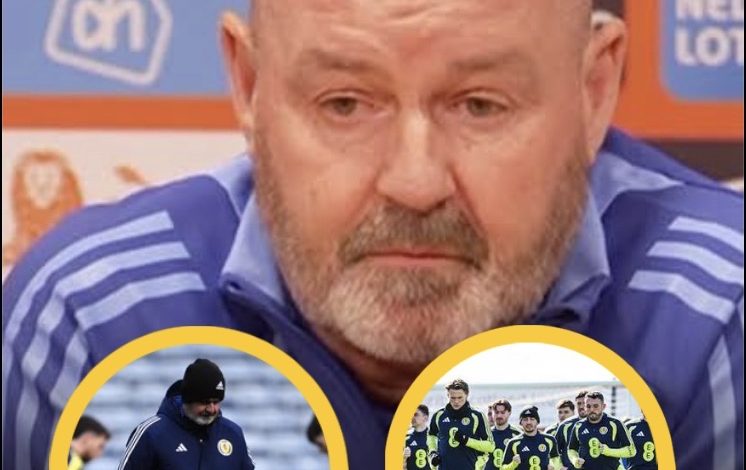
The aftermath of Scotland’s disappointing defeat to Brazil has brought a wave of reflection, criticism, and soul-searching throughout the national team setup. Following the painful loss, Scotland manager Steve Clarke finally addressed the media and accepted responsibility for tactical decisions that failed to deliver the desired result against one of world football’s strongest sides.
The Scotland boss admitted that certain aspects of his game plan did not work as intended and acknowledged that his team struggled to cope with Brazil’s attacking quality, technical ability, and control of possession. His honest assessment has sparked widespread discussion among supporters, former players, and football analysts regarding Scotland’s approach against elite opposition.
A Night to Forget for Scotland
Scotland entered the match against Brazil hoping to produce one of the greatest results in the nation’s recent football history. After a hard-fought group campaign, many supporters believed the team could frustrate Brazil and potentially secure a positive result.
Instead, Brazil controlled large periods of the game and exposed several weaknesses in Scotland’s tactical setup. The South Americans dominated possession, created numerous chances, and eventually secured a comfortable victory.
The defeat was particularly painful because Scotland had shown resilience in previous matches. However, against Brazil, the team struggled to maintain possession, failed to create meaningful attacking opportunities, and appeared unable to cope with the pace and movement of their opponents.
Clarke Takes Responsibility
Following the defeat, Steve Clarke reportedly accepted that some of his decisions did not have the desired effect.
Rather than blaming individual players, injuries, or bad luck, the manager placed responsibility on himself. He admitted that certain tactical choices left Scotland vulnerable and prevented the team from playing to its strengths.
His willingness to accept blame has been welcomed by many supporters who appreciate honesty and accountability from the national team manager.
Football managers often protect their decisions after difficult defeats, but Clarke’s openness has demonstrated leadership during a challenging period.
The Tactical Decisions Under Scrutiny
Several aspects of Scotland’s tactical approach have come under criticism.
Defensive Shape
Many observers felt Scotland sat too deep for long periods, allowing Brazil to dominate possession and dictate the pace of the game.
By defending extremely close to their own penalty area, Scotland struggled to relieve pressure and frequently found themselves under attack.
Midfield Battles
Brazil’s midfield controlled possession throughout the match. Scotland found it difficult to win second balls, retain possession, and launch counterattacks.
The lack of midfield pressure allowed Brazil to create space between the lines and exploit dangerous areas.
Limited Attacking Threat
Scotland created very few clear scoring opportunities. Their forwards often became isolated, while the midfield struggled to support attacks quickly enough.
As a result, Brazil’s defenders experienced relatively comfortable periods without significant pressure.
Supporters React
Scottish supporters experienced mixed emotions following Clarke’s comments.
Some fans appreciated his honesty and his willingness to admit mistakes. Others argued that the tactical problems were obvious during the game and should have been corrected earlier.
Social media discussions focused heavily on team selection, substitutions, and Scotland’s overall approach.
Many supporters believe the manager deserves credit for leading Scotland to major tournaments, while others are questioning whether changes are needed to help the team progress further on the international stage.
Former Players Share Their Opinions
Several former Scotland internationals have offered opinions regarding the defeat.
Some believe Scotland showed too much respect to Brazil and should have adopted a more aggressive approach. Others argued that the gulf in quality between the squads made the result understandable.
Many former players praised Clarke for accepting responsibility while emphasizing that the players themselves must also learn from the experience.
International football often provides harsh lessons, especially when facing elite nations with world-class talent throughout the squad.
Brazil’s Quality Proved Decisive
Although attention has focused on Scotland’s mistakes, Brazil’s performance deserves considerable recognition.
The South Americans demonstrated exceptional technical quality, intelligent movement, and outstanding ball control.
Their ability to switch play, create overloads, and exploit spaces caused constant problems for Scotland.
Brazil’s experience at major tournaments also became evident. They remained patient, controlled the tempo, and capitalized on their opportunities.
Even with a perfect tactical plan, defeating Brazil remains one of the biggest challenges in international football.
The Dressing Room Response
Reports from the Scotland camp suggest the players remained united after the defeat.
Senior members of the squad reportedly encouraged teammates to remain positive and learn from the experience.
Leadership within the dressing room has become increasingly important during difficult moments, and Scotland’s experienced players have attempted to keep morale high.
The coaching staff has also focused on reviewing mistakes and identifying areas for improvement.
Questions About Team Selection
Some supporters have questioned Clarke’s starting lineup.
Debates have emerged regarding whether certain players should have started or whether substitutions should have been introduced earlier.
Selection decisions always become controversial after disappointing results, especially in major tournaments where every choice receives intense scrutiny.
Clarke defended his players while accepting that certain tactical decisions ultimately proved ineffective.
Scotland’s Progress Under Clarke
Despite recent criticism, it is important to recognize the progress Scotland has made under Steve Clarke.
When he took charge, Scotland had endured years of disappointment and failed qualifications.
Under his leadership, the national team became more competitive, developed a stronger identity, and returned to major tournaments.
His achievements include restoring confidence, improving defensive organization, and helping Scotland compete consistently at international level.
The Brazil defeat represents a setback, but it does not erase the progress made during his tenure.
Lessons for the Future
Every major tournament provides valuable lessons.
Scotland’s experience against Brazil has highlighted several areas that require improvement:
* Greater composure in possession.
* More creativity in midfield.
* Better transitions from defense to attack.
* Increased confidence against elite opposition.
* Tactical flexibility during difficult matches.
Learning from defeats is essential for long-term development.
Many successful national teams experienced painful losses before eventually achieving success.
The Importance of Mental Strength
Heavy defeats can affect confidence.
However, Scotland’s players and coaching staff understand the importance of maintaining belief.
Mental resilience will play a crucial role as the team prepares for future competitions.
Supporters also have an important role to play by continuing to support the players despite disappointing results.
International football often involves setbacks, and recovery is part of long-term growth.
What Comes Next for Scotland?
Attention now turns toward future competitions and upcoming international fixtures.
The coaching staff will analyze performances, assess tactical approaches, and determine whether changes are necessary.
Questions regarding squad development, younger players, and tactical evolution will likely dominate discussions over the coming months.
Steve Clarke himself may also review his methods and consider adjustments to ensure Scotland can compete more effectively against elite opponents.
Fans Continue to Back the Team
Despite frustration surrounding the Brazil defeat, many supporters remain proud of the team’s efforts.
Scottish fans have consistently demonstrated loyalty through both successful and difficult periods.
Their support has become one of the national team’s greatest strengths.
The atmosphere created by Scotland supporters continues to inspire players and reinforce the connection between the team and the nation.
Clarke’s Leadership Under Pressure
Managers often face their toughest moments after defeat.
Clarke’s decision to accept responsibility rather than blame players demonstrates leadership qualities that many supporters respect.
His honesty may help rebuild confidence within the squad while allowing players to focus on improving rather than defending themselves from criticism.
The coming months will reveal whether this difficult experience becomes a turning point for Scotland.
Conclusion
The defeat to Brazil has become one of the most heavily discussed moments of Scotland’s recent campaign. Steve Clarke’s admission that his tactical decisions were not entirely correct has added another layer to the debate surrounding the national team.
While criticism is inevitable after a disappointing result, Clarke’s willingness to accept responsibility has earned respect from many supporters.
Scotland now faces the challenge of learning from the defeat, improving tactical flexibility, and preparing for future international competitions.
The road ahead may contain further challenges, but the experience gained against Brazil could ultimately help Scotland grow stronger. Whether this defeat becomes a painful memory or an important lesson will depend on how the players, coaching staff, and supporters respond in the months ahead.
For Steve Clarke, the focus is now firmly on rebuilding confidence, correcting mistakes, and ensuring that Scotland returns stronger and more determined in future competitions.