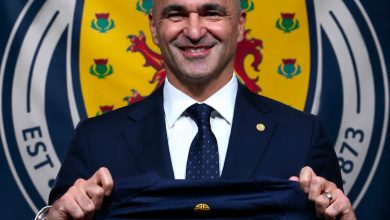
SCOTLAND STAR VOWED NEVER TO PLAY FOR THE NATIONAL TEAM AGAIN UNLESS STEVE CLARKE WAS SACKED

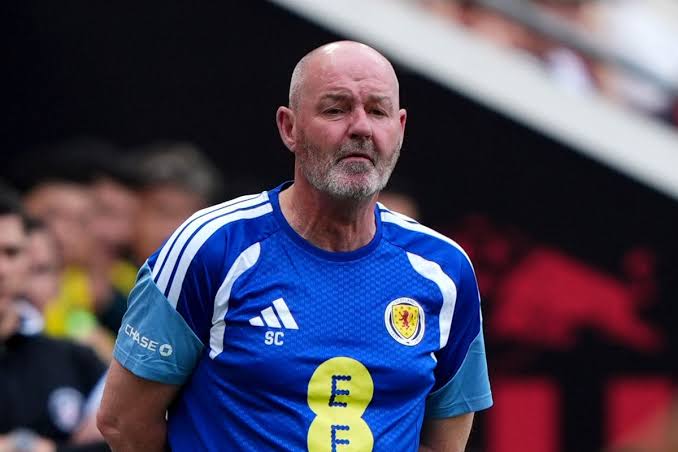
In a dramatic escalation of tensions surrounding the Scotland national team, a prominent player has reportedly declared he will not represent his country again as long as Steve Clarke remains in charge as head coach. The revelation has sent shockwaves through Scottish football, igniting fierce debates about loyalty, leadership, and the future direction of the Tartan Army.
While the Scottish Football Association (SFA) and Clarke himself have yet to issue an official response, sources close to the squad describe the player’s stance as a culmination of long-simmering frustrations over selection policies, tactical approaches, and squad dynamics. This development comes at a critical juncture for Scottish football, which has experienced a mix of qualification highs and tournament lows under Clarke’s stewardship.
### Clarke’s Tenure: From Qualification Hero to Mounting Criticism
Steve Clarke took over as Scotland manager in 2019, inheriting a side that had endured years of disappointment. His pragmatic, defensively solid approach yielded results, guiding Scotland to UEFA Euro 2020 – their first major tournament appearance in over two decades – and subsequently to further qualifications. Many credit Clarke with restoring a sense of professionalism and competitiveness to the national setup.
Under his guidance, Scotland qualified for the 2026 World Cup in North America, a significant achievement that sparked national euphoria. Matches like the thrilling 4-2 victory over Denmark in qualifiers became instant classics, with players such as John McGinn emerging as talismanic figures. Clarke’s emphasis on loyalty, work rate, and a tight-knit group culture was often praised for fostering unity in a squad drawn from various club environments.
However, performances at the World Cup have drawn increasing scrutiny. Critics argue that Clarke’s conservative tactics – often favouring a compact 3-5-2 or similar setups – have stifled creativity and left Scotland looking outmatched against top nations. Reports from the group stages highlighted defensive lapses and a lack of cutting edge in attack. Scotland’s hopes of qualifying for the next round now hang in the balance after a heavy defeat to Brazil, leaving them sitting third in Group C and reliant on a series of favourable results elsewhere to progress as one of the best third-placed teams.
Fan forums and pundits have echoed these sentiments, with some calling for a more progressive style to match the talent pool available. High-profile omissions and preferences for “loyal” players have also fuelled discontent. For instance, strikers like Oli McBurnie have publicly discussed candid conversations with Clarke about squad selections, where loyalty to established forwards such as Che Adams and Lyndon Dykes was cited as a key factor.
### The Player’s Ultimatum: A Breaking Point
The unnamed star’s vow – understood to come from a player with significant caps and club pedigree – represents a rare public fracture in the Scotland camp. According to insiders, the player feels that Clarke’s methods have hindered the team’s potential and that a change at the top is necessary for progress. Issues reportedly include rigid selection hierarchies, limited opportunities for in-form players, and a playing style perceived as overly negative.
This is not the first sign of strain. Past instances of players stepping away or expressing doubts, combined with debates over dual-eligible talents like Harvey Barnes (who ultimately committed elsewhere), have highlighted underlying challenges in squad harmony. Younger prospects have sometimes felt overlooked in favour of experience, while club form has not always translated to international selection.
The player’s decision to draw a line in the sand underscores deeper questions about player power in modern international football. In an era where club careers often take precedence and mental health considerations are paramount, high-profile athletes are increasingly willing to prioritise personal and professional fulfilment over national duty under specific conditions.
### Reactions and Implications for Scottish Football
The news has divided opinions. Supporters of Clarke point to his track record of qualification and argue that undermining the manager risks destabilising the squad at a time when Scotland are fighting for survival in the World Cup. Figures within the SFA are likely to view any ultimatum as unacceptable, emphasising that selection and managerial decisions rest with the coach and governing body.
Conversely, vocal critics see this as a necessary wake-up call. Scottish football has long grappled with a gap between ambition and execution on the biggest stage. Calls for fresh leadership – potentially targeting high-profile names like David Moyes or others with proven pedigree – have grown louder following underwhelming tournament showings.
For the squad, the situation poses immediate risks. Team morale could suffer if the dispute becomes public knowledge or leads to further withdrawals. Key players like Andy Robertson, Kieran Tierney (when fit), and McGinn have historically shown strong commitment, but fractures could spread. Scotland’s depth is not infinite; losing even one influential figure could impact performances in remaining group matches or future campaigns.
From a broader perspective, this episode highlights systemic issues in Scottish football development. The country produces technically gifted players, yet converting domestic and lower-league talent into consistent international performers remains a challenge. Investment in coaching pathways, youth development, and tactical innovation is needed regardless of who occupies the dugout.
### Historical Context: Player Power and Managerial Changes
Scotland’s football history is replete with managerial upheavals. From the “Wembley Wizards” era to the dark days of the 1990s and early 2000s, national team fortunes have oscillated. Managers like Alex McLeish, George Burley, and Gordon Strachan faced similar pressures, with player availability and public support ebbing and flowing.
Notable precedents exist elsewhere: players boycotting or pressuring for change under specific regimes in other nations. In Scotland’s case, the intensity of supporter passion – the Tartan Army’s legendary backing – amplifies every controversy. Social media has accelerated these debates, turning private frustrations into public spectacles.
Clarke, a former player with a decorated club career at Chelsea, has always stressed professionalism. His own experiences of international disappointment (being overlooked for squads) might inform his resilience, but they could also make him empathetic to players feeling marginalised.
### Looking Ahead: Resolution or Reckoning?
As Scotland navigates the remainder of the 2026 World Cup group stage and the post-tournament landscape, the SFA faces a pivotal decision. Backing Clarke fully might alienate segments of the playing group and fanbase at a delicate moment. Opting for change could signal a new era but risks short-term instability during a transitional period.
The involved player, meanwhile, risks being portrayed as disloyal or disruptive, potentially affecting his legacy. Yet, if his stance catalyses positive reform, it could be viewed as principled. Mediation through senior players or intermediaries may be required to prevent further escalation.
Ultimately, Scottish football’s success depends on alignment between players, management, and administration. Qualification for major tournaments is an achievement, but sustained competitiveness requires evolution. Whether this ultimatum forces a constructive dialogue or deepens divisions will shape the national team’s trajectory for years to come.
The coming weeks promise intense scrutiny. Fans, ever passionate, will demand transparency and results both on and off the pitch. For Steve Clarke and the Scotland star at the centre of this storm, the beautiful game has rarely felt so contentious. The resolution could define an era – or mark the end of one.