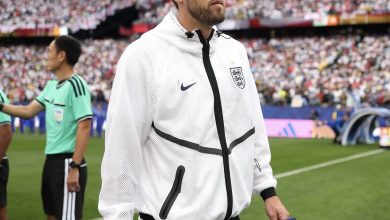
Argentina’s dramatic World Cup victory over England has exploded into an international political storm, with football now colliding head-on with diplomacy after a controversial post-match celebration sparked outrage across the United Kingdom.
The reigning world champions booked their place in the 2026 FIFA World Cup final after a thrilling 2-1 comeback victory over England in Atlanta. However, it wasn’t the football that dominated the headlines afterwards.
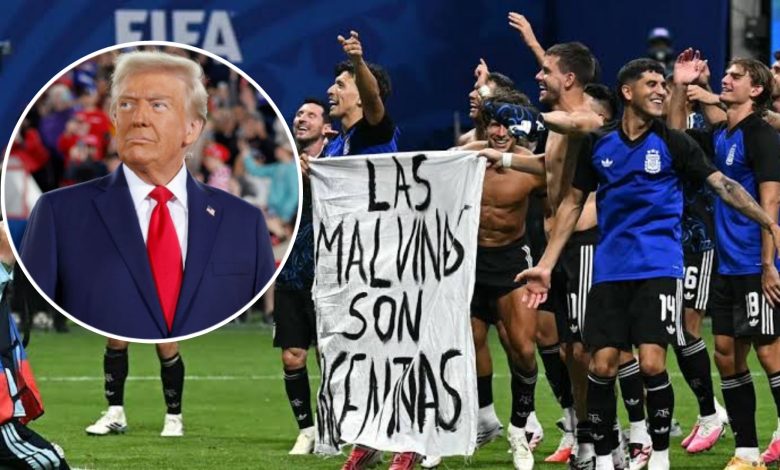
Instead, several Argentina players were seen holding up a banner reading “Las Malvinas Son Argentinas” (“The Falklands are Argentine”), reviving one of the most sensitive political disputes between Argentina and the United Kingdom. The incident immediately sparked fierce debate online and prompted calls for FIFA to investigate whether the players breached rules prohibiting political messages during official competitions.
UK politicians demand punishment
The incident has triggered an angry response from British politicians.
Prime Minister Keir Starmer backed calls for FIFA to investigate the display, while several senior ministers argued that football should not be used as a platform for political messaging. The banner referenced the Falkland Islands—known in Argentina as Las Malvinas—which remain the subject of a long-running sovereignty dispute dating back decades.
Trump enters the conversation
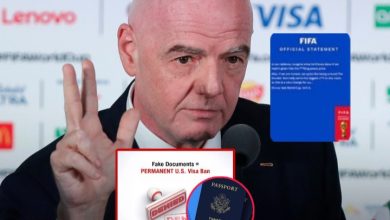
In a twist that has sent social media into overdrive, Donald Trump has urged FIFA President Gianni Infantino to prevent the Argentina players involved in the controversial banner display from featuring in the World Cup final.
Trump argues that political demonstrations have no place at the tournament and believes FIFA should make an example of those responsible. One option reportedly being discussed is the possibility of revoking the players’ U.S. visas, a move that could prevent them from taking part in the final.
FIFA reviewing the incident
FIFA has confirmed it is assessing the post-match celebrations after reviewing reports from the semi-final.
Under FIFA regulations, political, ideological and religious messages are prohibited during official competitions, meaning Argentina could face disciplinary action if the governing body determines the banner breached its rules. Possible sanctions could range from warnings and fines to other disciplinary measures depending on FIFA’s findings.
Fans divided on social media
Social media erupted within minutes of the celebrations.
Many England supporters described the banner as disrespectful and accused Argentina of turning a football victory into a political statement.
Others defended the players, arguing the message reflects a deeply held national belief in Argentina rather than an attack on England itself. In Buenos Aires, many supporters praised the players, calling the banner a symbol of national identity.
What happens next?
With Argentina preparing for the World Cup final against Spain, attention now turns to FIFA’s disciplinary process.
If the governing body concludes the banner violated its regulations, sanctions could follow even after the tournament concludes. Until then, the incident remains one of the biggest talking points of the World Cup.
One thing is certain: Argentina’s victory over England will be remembered for far more than what happened on the pitch. The football world now waits to see whether FIFA—or any political authorities—take further action in the aftermath of one of the tournament’s most controversial celebrations.