MOROCCO RISK WORLD CUP EXIT AS FIFA COULD FORCE THEM TO FORFEIT THEIR MATCH AGAINST HAITI.

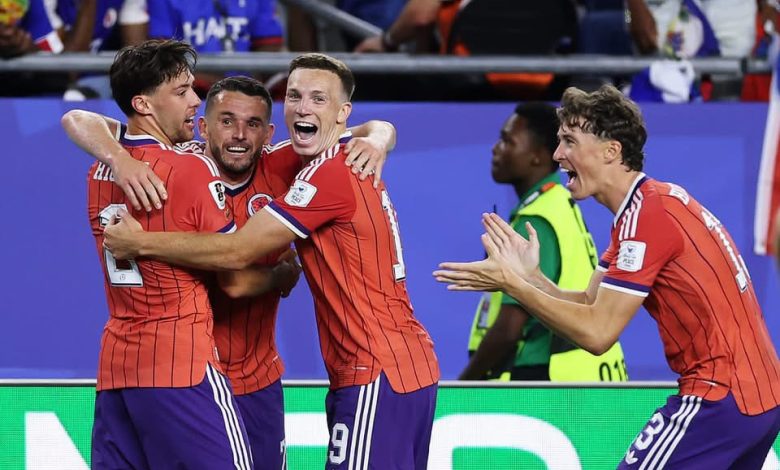
The Moroccan national team faces a potential World Cup nightmare as reports emerge that FIFA could investigate circumstances surrounding their upcoming clash against Haiti, raising fears that the Atlas Lions could be forced to forfeit the match and jeopardize their hopes of advancing to the knockout stages.
With the FIFA World Cup entering a decisive phase, Morocco has been one of the tournament’s most closely watched teams. The North African giants entered the competition with high expectations following their impressive performances in recent international tournaments. However, controversy now threatens to overshadow their campaign, leaving players, coaches, and supporters anxiously awaiting clarification from football’s governing body.
FIFA Rules Under the Spotlight
FIFA maintains strict regulations regarding player eligibility, disciplinary matters, administrative compliance, and matchday protocols. Any breach of these rules can result in severe sanctions, including fines, points deductions, or in extreme cases, forfeiture of a match.
The possibility of a forfeiture typically arises when a team fields an ineligible player, violates competition regulations, or fails to comply with FIFA directives. Such rulings have historically altered the course of major tournaments, often leading to heartbreak for players and fans alike.
In Morocco’s case, speculation has intensified over whether a regulatory issue could impact their fixture against Haiti. While FIFA has not officially announced a final decision, reports suggesting a potential investigation have sparked widespread debate across the football world.
A Crucial Match for Morocco
The encounter against Haiti carries enormous significance for Morocco’s World Cup ambitions. The Atlas Lions have worked hard to position themselves among the contenders in their group and view the match as a vital opportunity to secure progression to the next round.
Morocco’s campaign has showcased the team’s strengths, including tactical discipline, defensive organization, and attacking flair. The squad boasts several internationally recognized stars who have performed at the highest levels of European football, helping elevate Morocco’s status on the global stage.
A victory over Haiti could strengthen their chances of reaching the knockout phase, while any adverse FIFA ruling could dramatically alter the group standings. If Morocco were forced to forfeit the match, they could lose valuable points and potentially see their tournament hopes evaporate.
Haiti Eyeing a Potential Advantage
For Haiti, the controversy presents an unexpected twist in their World Cup journey. The Caribbean nation entered the tournament as underdogs but has demonstrated determination and resilience throughout the competition.
Should FIFA determine that Morocco violated tournament regulations, Haiti could stand to benefit significantly. A forfeiture ruling typically awards a victory to the opposing side, providing crucial points that could reshape the group standings.
Haitian players and coaching staff have largely focused on preparing for the match itself rather than engaging in speculation. Nonetheless, any decision by FIFA would undoubtedly influence the team’s prospects of advancing beyond the group stage.
The possibility of receiving points without kicking a ball is not something any team desires, but football regulations exist to preserve fairness and integrity within the competition.
Fans React to the Growing Uncertainty
News of a possible FIFA investigation has generated intense reactions among supporters across social media platforms and football communities worldwide.
Moroccan fans have expressed concern and frustration, with many urging FIFA to provide clarity as soon as possible. Supporters argue that players should not suffer due to administrative issues if no intentional wrongdoing occurred.
Others have called for patience, emphasizing that investigations must be conducted thoroughly and fairly before any conclusions are reached. Many football observers have cautioned against drawing premature conclusions until FIFA releases an official statement.
The uncertainty has also created anxiety within the Moroccan camp. Players preparing for one of the most important matches of the tournament now find themselves surrounded by questions regarding their eligibility to compete.
Historical Precedents
Football history contains several examples of teams suffering painful consequences after violating competition regulations.
In various FIFA and continental competitions, national teams have lost matches by default after fielding ineligible players. In some instances, teams unknowingly breached eligibility requirements, while others were found to have ignored established rules.
These cases serve as reminders that success on the pitch alone is not enough. Administrative accuracy and regulatory compliance are equally important components of international football.
For Morocco, the current situation highlights the importance of meticulous attention to tournament procedures. Even minor oversights can carry enormous consequences at the highest level of the game.
What Could Happen Next?
Several scenarios remain possible as FIFA evaluates the matter.
The first and most favorable outcome for Morocco would be a determination that no rules were broken. In that case, the match against Haiti would proceed as scheduled, allowing both teams to compete for points on the field.
A second possibility involves FIFA identifying a procedural issue but deciding that it does not warrant a forfeiture. Lesser sanctions, such as warnings or fines, could be imposed instead.
The most severe outcome would see FIFA conclude that a significant violation occurred, resulting in Morocco forfeiting the match. Such a decision would hand Haiti a valuable victory and could dramatically impact the final group standings.
Until an official ruling is announced, uncertainty will continue to dominate discussions surrounding the fixture.
Pressure Mounts on the Moroccan Camp
The controversy arrives at a particularly difficult moment for Morocco. Tournament football demands complete focus, and any distraction can affect performance levels.
Head coach and team officials now face the challenge of maintaining concentration among players while dealing with questions regarding the situation. Psychological preparation becomes increasingly difficult when uncertainty hangs over a team’s future.
Morocco’s leadership will likely work closely with FIFA and tournament organizers to address any concerns and ensure compliance with all regulations. Transparency and cooperation may prove essential in resolving the matter quickly.
Players, meanwhile, remain determined to focus on football. Many within the squad understand that speculation cannot influence their preparations and that their responsibility is to be ready whenever they are called upon to play.
Impact on Group Standings
The implications of a forfeiture would extend far beyond a single match.
World Cup group stages are often decided by narrow margins, with goal difference, head-to-head records, and total points determining which teams advance. A forfeited result could alter the balance of an entire group and affect multiple nations.
For Morocco, losing points through administrative sanctions rather than sporting performance would be a devastating blow. The team entered the tournament hoping to build on previous successes and establish itself among the world’s elite football nations.
For Haiti and other teams within the group, any FIFA ruling could create new opportunities or challenges. Coaches and analysts are undoubtedly monitoring developments closely as they assess possible outcomes.
FIFA’s Commitment to Fair Play
At the heart of the issue lies FIFA’s commitment to protecting the integrity of the competition.
The organization has consistently emphasized that all participating teams must operate under the same set of rules. Enforcing regulations, even when controversial, is considered essential for maintaining credibility and fairness.
However, FIFA also recognizes the importance of due process. Investigations typically involve careful examination of evidence, consultation with relevant parties, and opportunities for teams to present their positions before final decisions are made.
This balanced approach aims to ensure that disciplinary measures are justified and proportionate to any violations that may have occurred.
Waiting for an Official Decision
As speculation continues, the football world awaits an official announcement from FIFA regarding Morocco’s situation.
Until such confirmation arrives, reports of a possible forfeiture remain unverified. Nevertheless, the prospect alone has generated significant concern among supporters and added another layer of drama to an already captivating World Cup tournament.
For Morocco, the stakes could hardly be higher. A favorable ruling would allow the Atlas Lions to continue pursuing their World Cup dreams on the pitch. An unfavorable outcome, however, could place those ambitions in serious jeopardy.
The coming days are likely to prove decisive. Whether the controversy fades away or escalates into one of the tournament’s biggest stories will depend entirely on FIFA’s findings and subsequent ruling.
One thing is certain: millions of football fans around the world will be watching closely as events unfold. Morocco’s World Cup future may ultimately depend not only on what happens on the field against Haiti, but also on the outcome of a potentially crucial FIFA decision.