FIFA RELEASE OFFICIAL SCOTLAND DECISION AFTER MOROCCO CONTROVERSY AHEAD OF BRAZIL CLASH

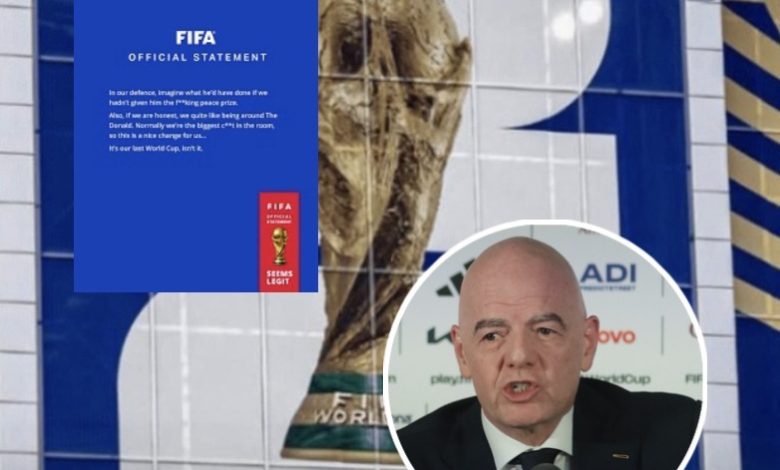
The fallout from Scotland’s narrow 1-0 defeat to Morocco at the World Cup has taken a fresh turn after FIFA reportedly issued an official clarification regarding the refereeing controversy that dominated headlines across Group C. With Scotland now preparing for a decisive clash against Brazil, the governing body’s statement has only intensified debate around consistency, VAR intervention, and tournament officiating standards.
Early controversy still casting a long shadow
The match between Scotland national football team and Morocco national football team was decided by a single early goal, but the real talking point came from two major penalty appeals that were waved away.
Scotland players, led by captaincy figures in the squad, were left frustrated after incidents involving shirt pulls and a controversial challenge inside the box were not reviewed in Scotland’s favour. Moroccan goalkeeper Yassine Bounou and a disciplined back line helped secure the clean sheet, but the decisions quickly sparked post-match outrage among supporters and pundits.
The controversy escalated online, with claims of inconsistency in VAR usage and accusations that Scotland had been denied what many called “clear penalties.” While FIFA initially remained silent, pressure from media and fan groups forced a response.
FIFA’s reported clarification
According to official briefings circulated within tournament media channels, FIFA has now reviewed the match incidents and issued a clarification rather than a disciplinary reversal. The governing body confirmed that:
- The VAR team followed protocol in both penalty situations
- Neither incident met the “clear and obvious error” threshold required for intervention
- The referee’s on-field decisions were deemed “within acceptable interpretation margins”
While FIFA stopped short of admitting any officiating error, the statement effectively closes the formal review process, meaning the result stands.
However, the decision has not settled tensions. Instead, it has deepened the divide between supporters who feel Scotland were unfairly treated and those who argue that physical play inside the box is being correctly judged more strictly in this tournament cycle.
Tactical breakdown: where Scotland lost control
From a tactical perspective, Scotland’s defeat was not solely defined by refereeing controversy. Manager Steve Clarke set his side up cautiously against a Morocco team known for their structured mid-block and rapid transitions.
Morocco’s key tactical strengths included:
- Compact defensive shape limiting central progression
- Quick transitions through wide channels
- Early pressing that disrupted Scotland’s build-up rhythm
Scotland struggled to create sustained pressure in the final third. Their midfield pivot was often isolated, forcing long balls rather than controlled progression. Despite a stronger second-half performance, they lacked the cutting edge to break down Morocco’s defensive organisation.
Morocco, meanwhile, executed their game plan efficiently. The early goal forced Scotland to chase the game, which opened space for Morocco’s counter-attacking threats. Even without dominating possession, Morocco’s tactical discipline ensured control of the game’s emotional rhythm.
Brazil clash adds urgency to FIFA decision fallout
Attention now turns to Scotland’s final group match against football powerhouse Brazil national football team.
Brazil’s attacking depth and technical superiority make the fixture one of the toughest challenges in Scotland’s recent tournament history. The timing of FIFA’s clarification has added psychological pressure, as Scotland fans fear another controversial moment could define their campaign.
Brazil, meanwhile, enter the match in strong form and are expected to rotate key attacking options while maintaining their fluid front line. For Scotland, the equation is simple: avoid defeat or risk elimination depending on other group results.
Fan reactions: split between anger and realism
Fan reaction has been sharply divided across regions.
In the UK, especially among Scottish supporters, frustration remains dominant. Many believe the FIFA clarification does little to address what they view as “inconsistent officiating,” and social media has been flooded with comparisons to past controversial tournament decisions.
Common themes among UK fans include:
- Belief that Scotland are “always on the wrong end” of marginal calls
- Criticism of VAR’s lack of intervention
- Calls for greater referee accountability
In Nigeria, where World Cup narratives are followed passionately due to the global football culture, reactions have been more mixed. Many neutral fans argue that Scotland’s complaints are understandable but also part of the broader unpredictability of elite tournament football. Others see Morocco’s resilience as a model of tactical maturity for emerging football nations.
Broader implications for FIFA and tournament integrity
The incident has once again placed FIFA under scrutiny regarding its officiating consistency standards. While the governing body insists that VAR protocols were correctly followed, critics argue that interpretation thresholds remain too subjective.
This raises wider questions:
- Should VAR intervene more often in penalty box incidents?
- Is the “clear and obvious error” standard too restrictive?
- Are smaller football nations receiving fair treatment in high-pressure matches?
The Scotland-Morocco controversy is now being viewed not just as a standalone incident but as part of a growing pattern of officiating debates at major tournaments.
Looking ahead to Brazil showdown
As Scotland prepare for Brazil, the emotional and tactical response will be critical. Steve Clarke’s squad must now recover quickly from both the defeat and the psychological weight of the FIFA ruling.
Brazil will present a completely different challenge—less physical disruption, more technical overload, and far greater attacking fluidity. Scotland’s defensive organisation will need to be near perfect if they are to secure a result.
For Morocco, the FIFA clarification provides validation without satisfaction. For Scotland, it brings closure without comfort. And for FIFA, it is another reminder that in modern football, even “correct decisions” can still fuel controversy.
The final chapter of Group C is set, and Scotland’s response will define whether their campaign is remembered for resilience—or regret.