England Hit by Fresh Uncertainty After Ghana Draw as Questions Grow Over World Cup Ambitions

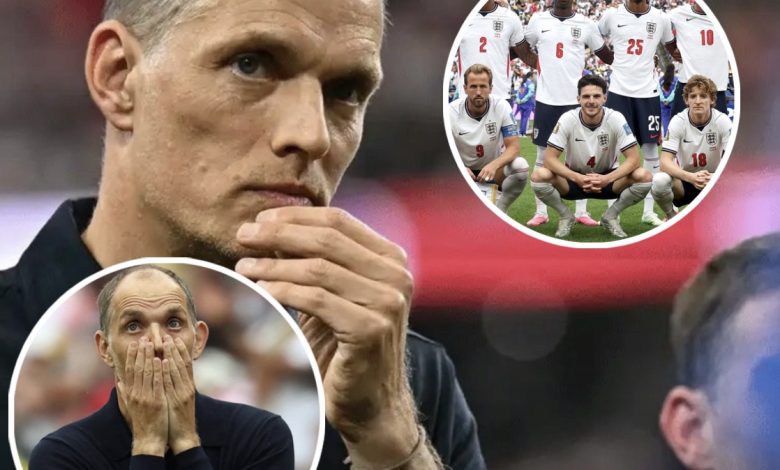
Just 10 hours after England’s frustrating goalless draw against Ghana at the FIFA World Cup, fresh uncertainty has emerged around the future direction of the national team’s wider project, with growing concerns that key financial backers and stakeholders could begin reassessing their long-term commitments if results fail to improve.
While England remain alive in the competition and still possess one of the most talented squads at the tournament, the disappointing result against Ghana has intensified scrutiny on the team’s performances, tactical approach, and ability to finally end decades of World Cup disappointment.
For many supporters, the draw felt less like a single setback and more like a continuation of familiar frustrations. Expectations surrounding England were enormous heading into the tournament. Packed with Premier League stars, Champions League winners, and some of the most valuable players in world football, England arrived in the United States believing they had a genuine opportunity to challenge for the biggest prize in international football.
Instead, the performance against Ghana has sparked fresh debate about whether this generation can fulfil its immense potential.
A Night of Frustration Against Ghana
The match itself was expected to be a crucial step towards securing England’s progress through the group stage.
Coming into the fixture, England knew that victory would significantly strengthen their position and potentially allow them to approach the final group game with greater confidence.
However, Ghana had other ideas.
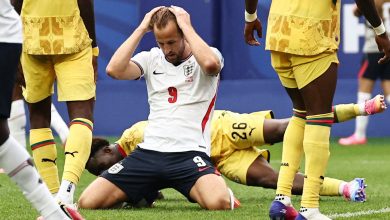
The African side produced a disciplined and organised defensive display, frustrating England throughout the encounter. Despite enjoying large spells of possession, England struggled to create the clear-cut opportunities expected from a squad featuring some of Europe’s most celebrated attacking talent.
Ghana remained compact, difficult to break down, and dangerous on the counterattack. Their tactical discipline earned admiration from neutral observers while leaving England supporters increasingly frustrated as the minutes ticked away.
By the final whistle, the scoreboard remained unchanged.
England 0-0 Ghana.
The result immediately became one of the biggest talking points of the World Cup.
Not because England had lost, but because many expected them to dominate.
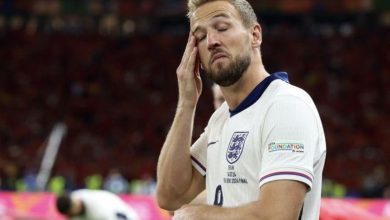
Instead, they looked vulnerable, predictable at times, and lacking the creativity required to unlock a well-organised opponent.
Why the Result Has Created Such Concern
Draws are not uncommon at major tournaments.
In fact, many World Cup-winning teams have experienced difficult group-stage matches before going on to lift the trophy.
Yet the reaction surrounding England has been particularly intense because of the expectations attached to the squad.
England’s current generation has repeatedly been described as one of the strongest in decades.
The team possesses elite talent across virtually every position.
Supporters believe the country should now be moving beyond simply competing and start seriously challenging for major honours.
That expectation has created enormous pressure.
When performances fail to match the quality available, criticism inevitably follows.
The Ghana match raised several uncomfortable questions:
- Are England creating enough chances?
- Is the tactical system getting the best from the squad?
- Can the team cope when opponents refuse to leave space behind?
- Is there enough leadership during difficult moments?
- Can England beat the world’s elite teams if they struggle against organised opposition?
These questions have dominated discussion since the final whistle.
Investor Anxiety Begins to Surface
While national teams are not run in the same way as football clubs, major tournaments involve significant commercial partnerships, sponsorship agreements, broadcasting commitments, and long-term strategic investments.
Success on the pitch often strengthens confidence among stakeholders.
Failure can create uncertainty.
According to growing speculation within football circles, some investors and commercial partners are becoming increasingly concerned about England’s prospects of winning the World Cup.
The concern is understandable.
Many brands align themselves with successful sporting projects because success generates visibility, positive publicity, and stronger commercial returns.
England remains one of the most marketable football teams in the world.
However, expectations matter.
When a team is viewed as a favourite and fails to perform convincingly, confidence can quickly weaken.
Although no major commercial partner has publicly announced a withdrawal, discussions about potential future departures have intensified following the Ghana result.
Several analysts believe continued disappointing performances could eventually influence future investment decisions.
The Pressure on the Coaching Staff
Much of the focus has inevitably shifted towards the coaching team.
Tournament football often comes down to small margins.
Managers are judged not only by results but by their ability to adapt under pressure.
Against Ghana, England appeared to control possession but struggled to translate that dominance into meaningful opportunities.
Critics argue that England’s attacking patterns looked too predictable.
Others believe substitutions arrived too late to significantly alter the contest.
Supporters have also questioned whether certain players are being deployed in their strongest positions.
These debates are unlikely to disappear any time soon.
Every major tournament creates heroes and villains.
Following the Ghana draw, the coaching staff have found themselves under increasing scrutiny.
The next match could dramatically alter perceptions.
Victory would ease much of the tension.
Another disappointing result would intensify it.
Fans React Across England
Social media exploded with reactions shortly after full-time.
Many supporters expressed frustration that England once again appeared unable to convert possession into goals.
Others defended the team, arguing that tournament football is rarely straightforward and that patience remains essential.
The divide reflects the broader mood around English football.
There is undeniable excitement about the quality available within the squad.
At the same time, there remains lingering scepticism born from decades of near misses.
Some fans pointed to previous tournaments where England recovered from difficult group-stage moments.
Others warned that the warning signs should not be ignored.
One common theme emerged across supporter discussions:
Everyone expects more.
Not because England are failing, but because expectations have never been higher.
Ghana Deserve Credit
Amid the criticism directed towards England, it is important not to overlook Ghana’s achievement.
The African nation entered the match as underdogs.
Many observers expected them to spend much of the evening defending.
Instead, Ghana delivered a mature and disciplined performance.
Their organisation without the ball frustrated England.
Their tactical awareness limited dangerous spaces.
Their commitment and determination ensured England never felt comfortable.
The result represents a significant moment for Ghana’s World Cup campaign.
It also highlights the increasing competitiveness of international football.
Gone are the days when traditional powerhouses could expect easy victories.
Every nation at the tournament possesses quality.
Every opponent presents challenges.
England discovered that reality firsthand.
The Financial Stakes Behind Success
Modern football operates on a scale unimaginable just a few decades ago.
World Cups generate billions in revenue.
Sponsors invest heavily.
Broadcasters compete aggressively for rights.
Merchandise sales soar when teams perform well.
For England, a deep tournament run would deliver substantial commercial benefits.
Increased global exposure strengthens sponsorship value.
Successful campaigns generate lasting engagement among supporters.
Brands naturally prefer association with winning teams.
This is why speculation regarding investor confidence has gained attention.
While a single draw is unlikely to trigger immediate departures, continued underperformance could influence long-term strategic decisions.
Businesses are ultimately driven by confidence and projected returns.
Results matter.
Perception matters.
Momentum matters.
At present, England still have time to regain all three.
Players Face Defining Moments
Major tournaments often define careers.
Players who excel become national heroes.
Those who struggle face intense scrutiny.
Several England stars now find themselves approaching a crucial stage of the competition.
The squad remains packed with talent.
Few nations can match England’s depth.
However, talent alone does not guarantee success.
The coming matches will require composure, leadership, and resilience.
The pressure is immense.
Every pass will be analysed.
Every tactical decision will be debated.
Every missed opportunity will generate headlines.
Yet these are precisely the circumstances that separate good teams from great ones.
England’s players now have an opportunity to respond.
History Shows England Can Recover
Football history offers numerous examples of teams overcoming difficult starts.
World Cup winners have previously stumbled during group stages before finding momentum later in tournaments.
What matters most is how teams react.
England’s challenge is straightforward.
Use the disappointment against Ghana as motivation.
Improve performances.
Regain confidence.
Build momentum.
If they achieve those objectives, discussions about investor concerns and commercial uncertainty will quickly disappear.
Success has a remarkable ability to change narratives.
One convincing victory can transform public perception almost overnight.
Looking Ahead
Despite the frustration surrounding the Ghana draw, England’s World Cup journey remains far from over.
The squad still possesses enough quality to challenge any nation in the tournament.
The coaching staff still have time to make adjustments.
Supporters still believe.
Yet the margin for error appears to be shrinking.
The draw against Ghana has intensified pressure, raised questions about England’s readiness to compete for the trophy, and sparked wider conversations about confidence among commercial stakeholders and potential investors.
Whether those concerns prove justified will depend entirely on what happens next.
The coming days could define England’s tournament.
A strong response would restore belief and reinforce confidence in the team’s ambitions.
Another disappointing performance, however, would deepen concerns and potentially strengthen fears that some stakeholders no longer see a realistic pathway towards World Cup glory.
For now, England remain in the fight.
But after a frustrating night against Ghana, the spotlight has never shone brighter.