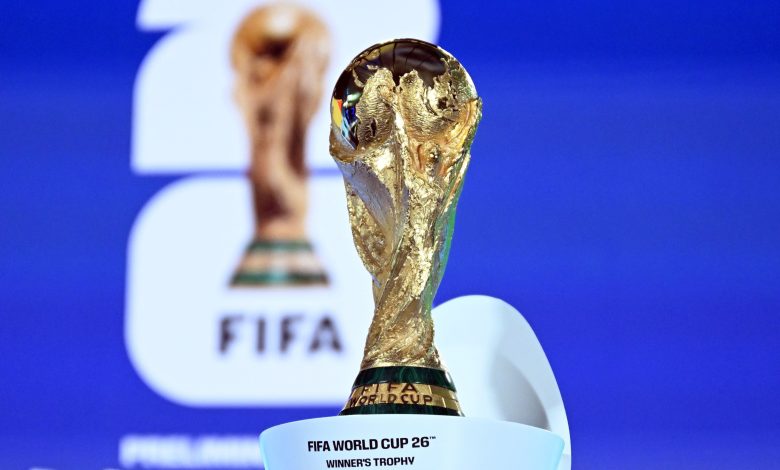
The FIFA World Cup has always been about glory, history and national pride, but in modern football it is also one of the most lucrative competitions in sport. Every four years, the world’s best national teams compete not only for football’s most prestigious trophy but also for a share of a massive financial reward package that continues to grow with each tournament.
As anticipation builds around the 2026 FIFA World Cup, FIFA has confirmed the financial rewards available to participating nations. The figures are staggering and underline just how valuable qualification for the tournament has become.
For countries such as Scotland, Wales, England, the Republic of Ireland and many others hoping to make a deep run in the competition, the prize money on offer could provide a significant boost to national football development programmes, grassroots initiatives and future investments.
The 2026 World Cup will be the biggest tournament in FIFA history, featuring 48 teams rather than the traditional 32. The expanded competition means more nations than ever before will have the opportunity to compete on football’s biggest stage and benefit from a record-breaking financial distribution package.
FIFA Announces Record-Breaking Financial Rewards
FIFA confirmed in late 2025 that the overall financial contribution package for the 2026 World Cup would reach an unprecedented $727 million.
Of that amount, approximately $655 million will be distributed as prize money among participating nations, while additional funds will be allocated towards team preparation costs and club benefit programmes.
The announcement demonstrates FIFA’s commitment to increasing financial support for national associations while recognising the growing commercial success of the World Cup.
The tournament is expected to generate record revenues due to expanded participation, increased broadcasting deals, sponsorship agreements and ticket sales across host nations the United States, Canada and Mexico.
For many smaller football nations, qualification alone now represents a transformative financial opportunity.
Every Qualified Nation Is Guaranteed Millions
One of the most significant aspects of FIFA’s announcement is that every nation reaching the World Cup is guaranteed substantial earnings before a ball is even kicked.
According to FIFA’s confirmed structure, each participating country will receive at least $9 million in prize money.
In addition, FIFA will provide approximately $1.5 million to help cover tournament preparation expenses.
This means every nation that qualifies for the World Cup is guaranteed a minimum payout of $10.5 million.
For some associations, particularly those outside Europe’s elite football economies, that level of funding can have a major impact on football infrastructure and development.
The guarantee also reflects the enormous challenge involved in reaching a World Cup, particularly in regions where qualification routes are highly competitive.
Prize Money Breakdown By Tournament Stage
The financial rewards increase significantly as teams progress through the competition.
Nations that advance beyond the group stage receive additional payments, creating a strong financial incentive alongside sporting success.
The confirmed prize-money structure includes:
Group Stage Participation:
$9 million
Round of 32 Qualification:
$11 million
Round of 16 Qualification:
$15 million
Quarter-Final Qualification:
$21 million
Fourth Place:
$25 million
Third Place:
$27 million
Runner-Up:
$35 million
World Cup Winners:
$50 million
These figures highlight the extraordinary rewards available for teams capable of making a deep run into the knockout stages.
The difference between a group-stage exit and reaching the latter rounds can amount to tens of millions of dollars.
Why The Prize Money Matters
To many supporters, football is primarily about passion, emotion and results on the pitch.
However, the financial side of the game plays a crucial role in determining long-term success.
National associations use World Cup earnings to fund coaching programmes, youth academies, infrastructure projects and grassroots development.
In Scotland, for example, additional World Cup income could support long-term investment in youth development pathways, coaching education and football facilities throughout the country.
The Scottish Football Association has worked extensively over recent years to improve player development and increase participation levels.
A successful World Cup campaign would provide additional resources to accelerate those efforts.
Similarly, nations across Africa, Asia, North America and South America often rely on major tournament earnings to fund strategic football initiatives.
This is one reason qualification remains such an important objective beyond sporting prestige alone.
Scotland’s Potential Windfall
Few nations understand the importance of World Cup qualification better than Scotland.
Scottish supporters waited decades for consistent appearances at major tournaments and have celebrated the national team’s recent resurgence.
The possibility of earning at least $10.5 million simply by participating in the tournament demonstrates how valuable qualification has become.
Should Scotland progress to the Round of 16, the financial reward would increase to approximately $15 million.
A quarter-final appearance would bring even greater financial benefits, while a truly historic run could generate unprecedented revenue for Scottish football.
While supporters understandably focus on performances, tactics and results, football administrators are equally aware of the long-term opportunities such prize money can create.
England Among The Potential Big Earners
As one of football’s traditional powerhouses, England will once again enter the World Cup with ambitions of challenging for the trophy.
The financial rewards available reflect the scale of that opportunity.
Should England win the competition, the Football Association would receive $50 million in prize money alone.
That figure would represent one of the largest single tournament payouts in international football history.
Given the strength of the current England squad and the depth available to the national team, expectations will remain high among supporters.
The Three Lions have consistently progressed deep into major tournaments in recent years and will aim to do so again in North America.
African Nations Stand To Benefit Significantly
The expanded 48-team format offers major opportunities for African football.
With more qualification places available, additional African nations will have the chance to compete on the world stage and secure substantial financial rewards.
This development could have a significant impact on football across the continent.
Countries such as Morocco, Senegal, Nigeria, Ghana, Ivory Coast and others have demonstrated increasing competitiveness in recent World Cups.
Morocco’s remarkable run to the semi-finals in 2022 showed that African nations can compete with football’s traditional superpowers.
The increased financial rewards available in 2026 could further strengthen development programmes throughout the continent.
Additional funding can support coaching initiatives, academy systems, scouting networks and infrastructure improvements that benefit future generations of players.
The Expansion To 48 Teams Changes Everything
The 2026 World Cup will be the first edition featuring 48 nations.
This expansion has been one of the most significant changes in the competition’s history.
More teams means more matches, greater global representation and increased financial opportunities.
Supporters from countries that have traditionally struggled to qualify now have greater hope of seeing their nations compete on football’s biggest stage.
For FIFA, the expansion also creates additional commercial opportunities.
More participating nations generate broader international interest, increased broadcasting audiences and stronger sponsorship revenues.
Those revenues ultimately help fund the increased prize-money package now available.
How The Financial Landscape Has Changed
The World Cup prize money available today is dramatically higher than in previous decades.
Earlier tournaments offered comparatively modest financial rewards.
As football’s global popularity has grown, revenues have increased significantly.
Broadcasting rights alone now generate billions of dollars.
Corporate sponsorship agreements continue to reach record levels.
Ticket demand remains enormous regardless of host nation.
These factors have enabled FIFA to distribute greater financial rewards than ever before.
The result is a tournament that delivers both sporting prestige and substantial economic benefits.
What This Means For The Future
The financial figures announced by FIFA underline the continuing growth of international football.
The World Cup remains the most watched sporting event on the planet, attracting billions of viewers worldwide.
With expanded participation and record prize money, the 2026 tournament promises to be the biggest and most lucrative World Cup ever staged.
For players, supporters and national associations alike, the rewards extend far beyond the trophy itself.
Every nation that qualifies will receive a guaranteed financial boost.
Those capable of progressing through the knockout rounds stand to earn even more.
For countries like Scotland, the opportunity is clear.
Success on the pitch could translate into millions of dollars that help shape the future of football for years to come.
As the countdown to the tournament continues, supporters will dream of memorable victories, dramatic moments and perhaps even an unexpected run deep into the competition.
Alongside those sporting ambitions sits another reality: the financial rewards have never been greater.
The road to World Cup glory is difficult, but FIFA’s latest announcement confirms that simply reaching football’s biggest stage is now worth millions.