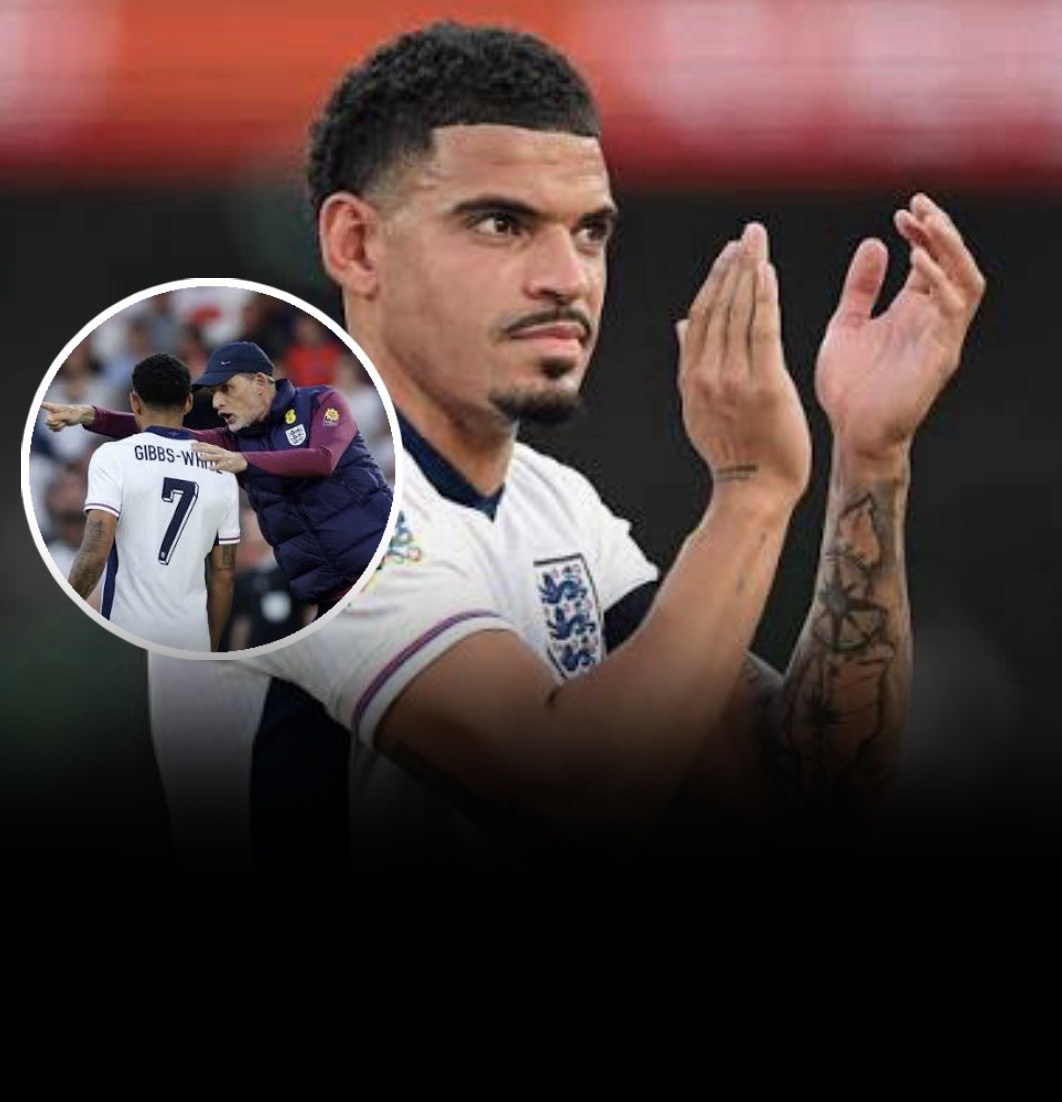
Morgan Gibbs-White Responds To England Snub As Thomas Tuchel Faces Questions Over Midfield Selection
Morgan Gibbs-White Responds To England Snub As Thomas Tuchel Faces Questions Over Midfield Selection
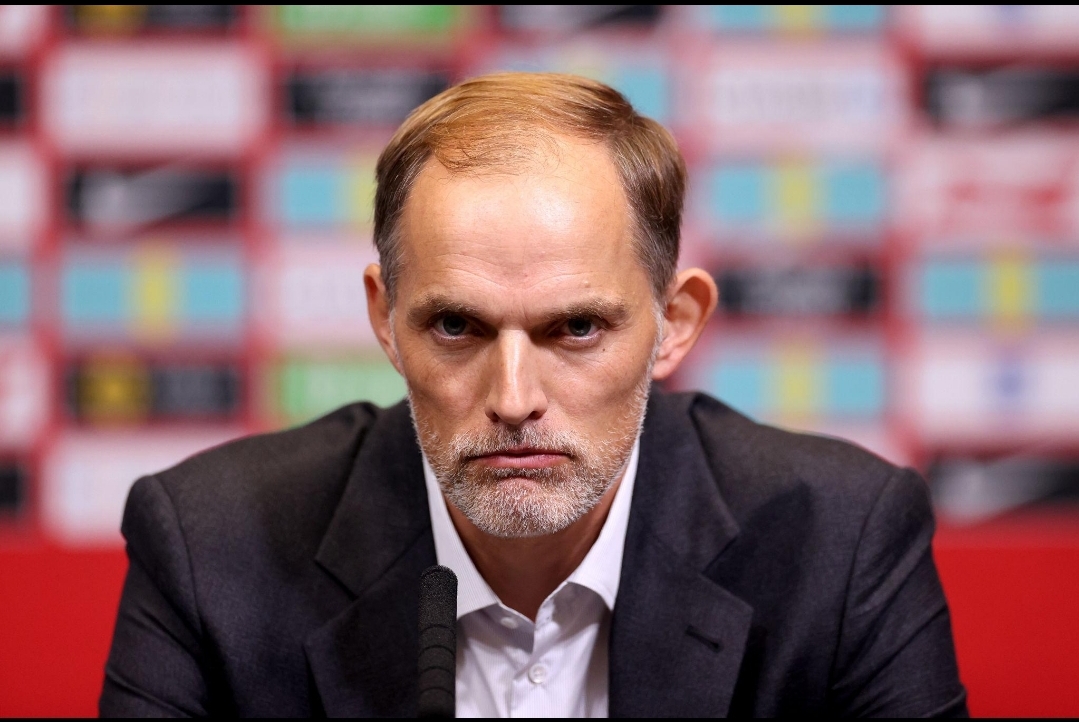
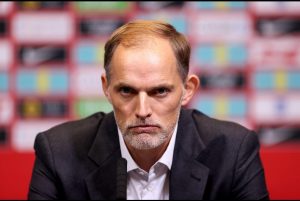
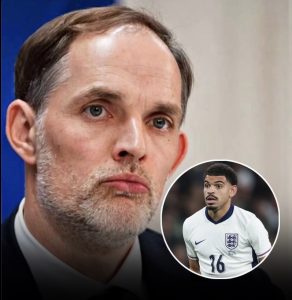
Morgan Gibbs-White has become the centre of intense debate following reports of his reaction to being overlooked by new England national football team manager Thomas Tuchel for the latest international squad.
The Nottingham Forest midfielder has enjoyed one of the strongest periods of his career, emerging as a creative focal point for Forest and playing a major role in their attacking structure throughout the season. His performances had led many supporters and pundits to believe an England recall was increasingly likely, particularly given his consistency in the Premier League.
Instead, Tuchel’s squad announcement arrived without Gibbs-White’s name included, prompting immediate discussion across English football.
According to reports surrounding the player, Gibbs-White responded privately with disappointment but also determination, insisting he would continue proving himself through performances rather than public criticism. While some headlines surrounding the situation have exaggerated the scale of his comments, the broader reaction to his omission has highlighted growing debate about England’s midfield balance under Tuchel.
The controversy also reflects wider questions about how the German coach intends to reshape England tactically ahead of future tournaments.
⸻
Gibbs-White’s Season Has Elevated His Reputation
Few players outside the traditional top six have improved their reputation more significantly over the past two seasons than Gibbs-White.
After initially emerging through the academy system at Wolverhampton Wanderers, the midfielder’s development accelerated following his move to Nottingham Forest. Under Forest’s tactical structure, Gibbs-White evolved into the team’s primary creative outlet, combining technical quality with relentless energy both in and out of possession.
Statistically, his campaign has been impressive:
* Consistent goal contributions from midfield
* Strong chance-creation numbers
* High progressive carrying statistics
* Significant involvement in pressing sequences
Beyond raw numbers, Gibbs-White’s influence on Forest’s attacking transitions has been particularly notable. He frequently drops into deeper areas to receive possession before driving forward aggressively, linking midfield and attack with direct running and quick combinations.
That versatility made many supporters believe he offered something different to England’s existing midfield options.
With Tuchel preparing for a new era in charge of the national side, many expected Gibbs-White’s form to be rewarded.
Instead, his omission immediately became one of the most debated decisions surrounding the squad.
⸻
Why Thomas Tuchel May Have Looked Elsewhere
Although Tuchel has not publicly criticised Gibbs-White, reports suggest the England manager may have concerns regarding tactical structure and positional discipline.
Throughout his managerial career with clubs such as Chelsea, Paris Saint-Germain, and Bayern Munich, Tuchel has consistently prioritised organised pressing systems and compact positional play.
Gibbs-White, by contrast, thrives in freer attacking roles where he can drift across spaces, press aggressively, and take creative risks in transition.
Some analysts believe Tuchel may view him as tactically difficult to fit into a rigid midfield structure at international level.
England already possess several technically gifted attacking midfielders, including players comfortable operating between the lines and controlling possession. Tuchel may therefore prefer profiles he considers more positionally disciplined or defensively secure in tournament football.
There is also the possibility that Tuchel sees Gibbs-White as unlucky rather than unsuitable.
International squad selection often depends heavily on balance rather than individual quality alone. Managers frequently prioritise specific tactical combinations over rewarding every in-form player.
Still, given Gibbs-White’s performances this season, the decision has naturally drawn scrutiny.
⸻
The Reported Reaction From Gibbs-White
According to reports from individuals close to the player, Gibbs-White was disappointed by the decision but remained calm in his response.
Rather than publicly criticising Tuchel or England’s selection process, the midfielder reportedly focused on using the setback as motivation ahead of the new season.
Sources suggest Gibbs-White believes his performances at Nottingham Forest have demonstrated he can compete at international level and that continued consistency will eventually force reconsideration.
That reaction has earned praise from many supporters who viewed his response as mature and professional.
One fan posted online:
“That’s exactly how you respond. Keep performing and make yourself impossible to ignore.”
Another wrote:
“Gibbs-White has been one of the Premier League’s most entertaining midfielders this season. His chance will come.”
The wider reaction across English football has largely centred on frustration that players performing strongly outside the traditional elite clubs often appear to face a higher barrier to international recognition.
⸻
What Gibbs-White Offers England
Tactically, Gibbs-White brings qualities England do not always possess consistently in midfield.
Progressive Carrying
Few English midfielders drive forward with the ball as aggressively or confidently. His ability to break defensive lines through dribbling creates transitional opportunities that can destabilise organised opponents.
Pressing Intensity
At Nottingham Forest, Gibbs-White contributes heavily without possession. He presses aggressively, tracks runners, and helps initiate defensive transitions high up the pitch.
Creativity Between The Lines
The midfielder excels in finding pockets of space between opposition midfield and defensive lines, allowing him to create chances quickly after turnovers.
Flexibility Across Midfield Roles
Although naturally attack-minded, Gibbs-White can operate:
* As a central attacking midfielder
* In a wider creative role
* As part of a midfield three
* Behind a striker in transitional systems
That adaptability could potentially suit tournament football where tactical flexibility often becomes important across different opponents.
However, Tuchel may still prefer more structured profiles depending on the tactical system he intends to build.
⸻
Fan Debate Reflects England’s Midfield Competition
The reaction to Gibbs-White’s omission also highlights the extraordinary depth available to England in attacking midfield areas.
Competition for places remains intense, with multiple Premier League and European-based players competing for limited positions within the squad.
Some supporters have defended Tuchel’s decision, arguing that England cannot accommodate every creative midfielder simultaneously without sacrificing tactical balance.
Others believe Gibbs-White’s energy and directness provide something unique compared to more possession-oriented options.
The discussion reflects a recurring issue within England selection debates: balancing technical quality with system compatibility.
Under previous managers, England occasionally struggled to fit multiple talented attacking players into cohesive tactical structures. Tuchel appears determined to avoid repeating that mistake by prioritising clearly defined tactical roles from the beginning of his tenure.
Whether that approach maximises England’s attacking potential remains open to debate.
⸻
Nottingham Forest’s Importance In His Development
One important aspect of Gibbs-White’s rise has been the environment created at Nottingham Forest.
Forest’s tactical setup has allowed the midfielder to develop leadership qualities alongside technical growth. Rather than being restricted within a heavily controlled structure, Gibbs-White has been encouraged to express himself creatively and take responsibility during key moments.
That freedom has accelerated his maturity significantly.
He now appears more composed in decision-making, more efficient in possession, and tactically smarter than earlier in his career.
Several former players and analysts have praised his progression, suggesting he has evolved from a talented prospect into a genuinely influential Premier League midfielder.
If that development continues, England selection pressure will only increase moving forward.
⸻
What This Means For Thomas Tuchel
Every England manager faces difficult selection calls, but Gibbs-White’s omission offers an early insight into Tuchel’s priorities.
The German coach appears focused on structure, tactical clarity, and positional balance rather than purely rewarding club form.
That philosophy has historically brought Tuchel success in elite club football, particularly in knockout competitions where organisation often becomes decisive.
However, England supporters will inevitably scrutinise any decision that excludes in-form Premier League performers.
If England struggle creatively in future fixtures, questions surrounding Gibbs-White’s absence will likely intensify.
Conversely, if Tuchel’s tactical structure delivers results, criticism may fade quickly.
Either way, the debate surrounding Gibbs-White demonstrates how closely England’s tactical evolution will be examined under the new manager.
⸻
Conclusion
Morgan Gibbs-White’s omission from Thomas Tuchel’s England plans has sparked discussion not because of controversy alone, but because it highlights deeper tactical questions surrounding the national team’s future direction.
Gibbs-White represents a modern attacking midfielder — energetic, technically gifted, flexible, and fearless in transition. Tuchel, meanwhile, appears committed to building a more structured and tactically disciplined England side.
For now, the Nottingham Forest midfielder remains outside the immediate international picture.
Yet his performances continue to strengthen his case, and his mature response to disappointment may ultimately work in his favour long term.
If Gibbs-White maintains his current trajectory in the Premier League, pressure on Tuchel to integrate him into England’s evolving midfield structure will only continue to grow.



Post Comment