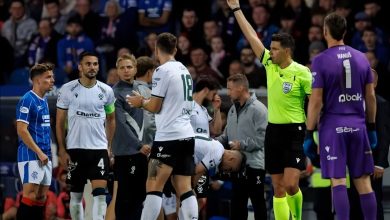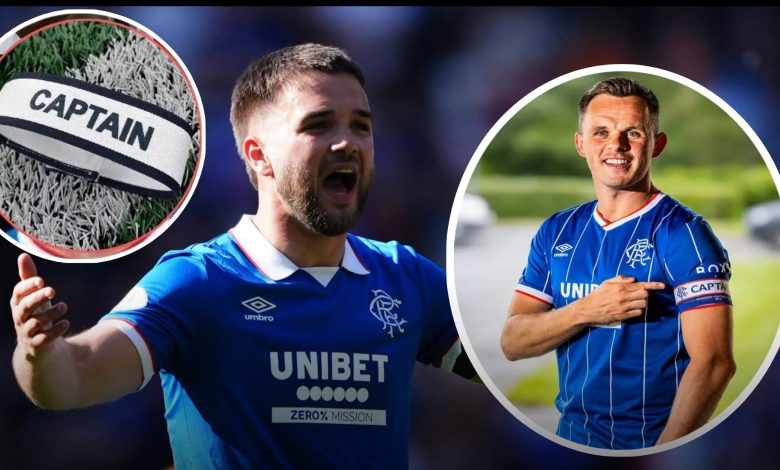
In the high-stakes pressure cooker of Scottish football, few symbols carry more weight than the captain’s armband at Rangers. On a sunlit Sunday afternoon at Ibrox in mid-August 2026, that small strip of fabric became the flashpoint for one of the early-season’s most talked-about controversies. Nicolas Raskin, the Belgian midfielder whose future at the club remains the subject of persistent transfer speculation, started against St Mirren wearing the armband. Lawrence Shankland, the club captain appointed only weeks earlier by manager Derek McInnes, entered the fray as a second-half substitute. Standard protocol across the game dictates an immediate handover. It never happened. Raskin kept the armband until the final whistle of a comfortable 5-1 Premier Sports Cup victory.
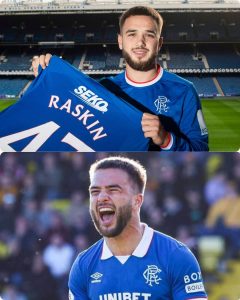
What followed was a familiar Scottish football storm: pundits weighed in, fans dissected every frame of footage, and social media erupted with theories ranging from deliberate disrespect to simple matchday oversight. Former Rangers captain Barry Ferguson and ex-Celtic midfielder Charlie Mulgrew discussed the moment on radio, with Mulgrew floating the possibility that Raskin “maybe feels he should be captain.” Ferguson admitted he would have handed the armband over, calling it the norm when the designated skipper comes on. Hosts labelled the non-handover “disrespectful,” though Ferguson stopped short of that exact word. The incident, combined with Shankland’s ongoing struggle to nail down a starting place after his summer move from Hearts, left supporters wondering about hierarchy, ego, and unity inside the Rangers dressing room.

Shankland’s appointment as captain had been presented as a natural succession. The Glasgow-born striker, a lifelong Rangers supporter, followed McInnes from Tynecastle after a prolific spell as Hearts skipper. He described the honour in glowing terms, emphasising the dream of leading his boyhood club and accepting the scrutiny that comes with the role. McInnes praised his leadership qualities and experience running a dressing room. Yet the manager was also clear from the outset: the captaincy does not guarantee selection. “Being captain does not guarantee anything, and he accepted that,” McInnes said later. “He is not going to stamp his feet about it… People can maybe look too much into it.” Shankland’s early returns have been modest—one competitive goal, a penalty in European qualifying—and he found himself on the bench for the St Mirren tie as McInnes rotated and experimented.
Raskin, by contrast, has been a more established presence at Ibrox. The midfielder has worn the armband in previous seasons when senior figures were unavailable and has been tipped by some as a natural long-term leader. Transfer links have swirled around him throughout the summer, particularly after strong international showings, yet McInnes has repeatedly praised his attitude. “Nico has been a dream to work with since we came in. He does not look distracted in any way,” the manager stated. Against St Mirren, Raskin led the side out and performed with typical energy as Rangers ran out comfortable winners. The decision not to pass the armband when Shankland appeared around the 63rd minute was either a conscious choice to maintain on-pitch continuity or an oversight in the flow of a one-sided game. Either way, it was noticed.
In the days that followed, the narrative escalated. Tabloid coverage and fan forums framed the non-handover as a potential dressing-room slight. Speculation grew about private conversations, simmering tensions over leadership, and whether Shankland had voiced frustration at being benched and then overlooked for the armband. No verified public comments from either player have confirmed a dramatic confrontation or “savage words.” McInnes has moved to dampen the story, insisting the captaincy remains a non-issue and that Shankland will exert influence whether starting or not. He has also continued to manage Raskin’s minutes carefully amid minor injury concerns and ongoing transfer chatter. Subsequent matches saw the armband shared around further, with other players taking turns, underscoring that matchday leadership can be fluid even when a formal club captain is named.
For Rangers supporters, the episode touches deeper anxieties. The club is still navigating a transitional period under McInnes after years of high expectations and intermittent under-delivery. Shankland’s arrival was meant to inject goals, experience, and local identity. Raskin’s possible departure would represent the loss of a technical midfielder who has shown leadership potential. Any suggestion of internal friction—real or imagined—risks amplifying the sense that the squad is not yet fully aligned. Fans have long memories of dressing-room politics derailing campaigns. The Old Firm environment leaves little room for ambiguity; every gesture is scrutinised for meaning.
Yet context matters. Football is chaotic. Substitutions happen quickly. Momentum in a 5-1 win can override formalities. Players focused on the next phase of play may simply not prioritise the ceremonial transfer of a piece of fabric. McInnes has stressed that Shankland understands the realities of selection and that both men are professionals. The manager’s public stance has been consistent: the captaincy is important, but results and performances come first. Shankland is expected to improve his goal tally and exert the same dressing-room influence he showed at Hearts. Raskin, while he remains, continues to be valued for his work rate and attitude.
The broader conversation reveals how quickly a single moment can dominate the narrative in Glasgow. What began as a tactical or procedural detail became a proxy for larger questions about authority, respect, and squad harmony. Pundits drew on their own playing experiences; supporters projected hopes and frustrations onto two players who have both worn the armband with pride in different contexts. Subsequent games have seen the armband continue to circulate, suggesting the club itself is treating matchday leadership as pragmatic rather than rigidly hierarchical.
As the season progresses and European and domestic fixtures intensify, the real test will not be whether an armband was passed on one August afternoon, but whether the squad can convert individual talent and leadership potential into consistent collective results. McInnes has made clear that captaincy is a responsibility, not a guarantee of starts. Shankland has publicly embraced the honour while accepting the competitive realities. Raskin has shown he can lead when called upon. The absence of confirmed “savage words” or open conflict suggests that much of the bombshell framing remains speculative amplification of a genuine but perhaps overstated flashpoint.
Scottish football thrives on drama, and Ibrox provides fertile ground. The armband snub—whether intentional, accidental, or simply unimportant to the players involved—has given fans and media a story to chew on. In the end, the dressing room’s true temperature will be measured not by radio debates or social media outrage, but by performances on the pitch and the unity required to challenge for trophies. For now, the conversation continues, the armband keeps changing hands, and supporters wait to see whether the early-season tension was a one-off curiosity or the first visible crack in a new hierarchy.