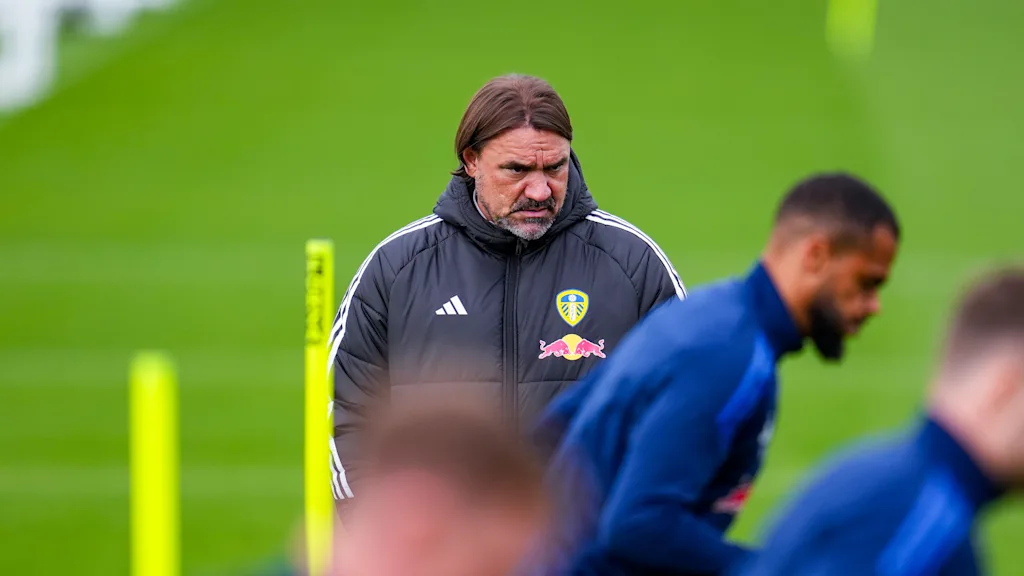
Daniel Farke Responds Firmly to Leeds Training Ground Bust-Up
Tensions boiled over at Leeds United this week after a heated altercation between two first-team players reportedly forced club manager Daniel Farke to take swift disciplinary action. According to reports emerging from the club’s training ground, the incident escalated beyond a verbal disagreement, with one player allegedly requiring medical attention and being taken to hospital following the clash.
While Leeds United have yet to release an official statement detailing the names of the players involved or the exact nature of the confrontation, the situation has already sparked widespread discussion among supporters and football pundits alike. Training-ground disagreements are not uncommon in professional football, especially during intense periods of competition, but incidents severe enough to result in suspensions and hospital treatment are rare and inevitably attract major attention.
For Farke, the episode represents one of the sternest disciplinary tests of his tenure at Elland Road.
A Club Under Pressure
The timing of the incident could hardly be worse for Leeds United. The Yorkshire club has been navigating a demanding campaign filled with pressure, expectation, and scrutiny. Every training session, tactical adjustment, and dressing-room interaction carries heightened importance as Leeds continue to pursue their ambitions on the pitch.
In environments where competition for places is fierce, tempers can occasionally flare. Players train at maximum intensity every day, knowing that performances directly impact selection decisions and career trajectories. However, clubs also demand professionalism and discipline, values that managers work tirelessly to maintain.
Sources close to the club suggest the altercation began during an aggressive training exercise before escalating rapidly. Witnesses reportedly described the confrontation as unusually intense, forcing coaching staff and teammates to intervene before the situation spiraled further out of control.
The fact that one player reportedly required hospital assessment elevated the seriousness of the matter considerably. Although no long-term injuries have been confirmed, the medical involvement alone underlines the severity of what occurred.
Farke’s Immediate Response
Daniel Farke acted quickly once the situation was brought under control. Reports indicate that both players were immediately removed from first-team activities pending internal discussions, with temporary bans from the training ground understood to be part of the disciplinary response.
The German manager has built a reputation throughout his coaching career as a calm and composed leader, someone who prioritizes unity and professionalism within the squad. During his previous managerial spells, particularly at Norwich City, Farke was praised for creating strong dressing-room harmony and maintaining clear standards of behavior.
This latest incident, therefore, presents a direct challenge to the culture he has attempted to establish at Leeds.
According to insiders, Farke addressed the squad shortly after the altercation, emphasizing that emotional intensity and competitive spirit are welcome in football, but physical confrontations crossing professional boundaries would not be tolerated.
Managers often face difficult balancing acts in such situations. Punishing players too harshly can risk alienating members of the squad, while appearing too lenient can undermine authority and discipline. Farke’s decision to reportedly suspend both individuals from training sends a clear message that accountability applies equally across the team.
The Hidden Reality of Training Ground Clashes
Though shocking to supporters, training-ground bust-ups have long been part of football’s hidden reality. Across decades, numerous elite clubs have experienced internal conflicts between teammates during highly charged sessions.
Competitive environments naturally create friction. Players battle daily for starting positions, contracts, recognition, and success. Physical training drills, tactical disagreements, and emotional frustration can occasionally combine explosively.
Several famous incidents from football history illustrate this reality. Altercations between teammates at clubs such as Manchester United, Arsenal, and Chelsea have previously emerged publicly, sometimes strengthening team unity after resolution and other times exposing deeper fractures within squads.
What separates manageable incidents from damaging crises is often the response from leadership figures.
Managers who react decisively while maintaining fairness tend to regain control quickly. Those who allow tensions to linger risk creating divisions that affect performances on the pitch.
For Leeds, the key question now is whether this altercation was an isolated flashpoint or evidence of deeper frustrations simmering within the squad.
Fan Reaction and Media Attention
Unsurprisingly, the story spread rapidly across social media once reports emerged. Leeds supporters expressed a mixture of concern, frustration, and curiosity regarding the identities of the players involved and the circumstances surrounding the confrontation.
Some fans defended the intensity shown by the players, arguing that passion and aggression can reflect a squad desperate to succeed. Others worried that the incident could damage team morale during a critical stage of the season.
Football supporters often romanticize stories of fiery dressing-room characters and combative training sessions, particularly when teams are winning. However, when performances become inconsistent, internal conflict is viewed far more negatively.
The media spotlight surrounding Leeds United has intensified significantly in recent years due to the club’s stature, fanbase, and expectations. Even relatively minor incidents can quickly dominate headlines, making it essential for the club hierarchy to manage communication carefully.
So far, Leeds have remained publicly restrained, likely preferring to handle the matter internally rather than fuel unnecessary speculation.
Maintaining Dressing Room Unity
One of the greatest challenges following any internal conflict is restoring trust and cohesion within the squad. Football teams rely heavily on chemistry, communication, and collective focus. Lingering resentment or unresolved disputes can disrupt preparation and impact results.
Farke’s management style may prove crucial in this regard. Known for his analytical approach and strong interpersonal communication, the Leeds boss has generally avoided public confrontations throughout his managerial career. Instead, he prefers private resolution and structured accountability.
Senior players within the dressing room are also expected to play a major role in calming tensions and ensuring standards are upheld. Leadership groups often become particularly important after incidents of this nature, helping reinforce unity and refocus attention on football objectives.
Many clubs use such moments as opportunities for reflection and rebuilding. Team meetings, private conversations, and disciplinary reviews are commonly implemented to prevent future issues.
Whether the players involved can reintegrate smoothly into the squad may depend on their willingness to accept responsibility and move forward professionally.
Impact on Leeds’ Season
Beyond the immediate controversy, the altercation could have tangible football consequences for Leeds United.
If either player faces extended disciplinary action or injury concerns, squad depth may become an issue during a demanding fixture schedule. Selection plans, tactical preparations, and dressing-room dynamics could all be affected.
Momentum is especially important in competitive league campaigns. Teams chasing promotion, qualification, or survival cannot afford prolonged distractions. Managers therefore work hard to minimize off-field turbulence before it affects performances.
At the same time, adversity can occasionally strengthen squads. Some teams emerge from internal conflicts more united after confronting underlying frustrations directly. Shared accountability and honest conversations can sometimes sharpen focus and determination.
Farke will hope this incident ultimately becomes a short-term disruption rather than a defining storyline of the season.
Leadership Under Scrutiny
Incidents like these inevitably place managers under scrutiny, not necessarily because they caused the conflict, but because leadership is judged by response.
Daniel Farke’s handling of the situation will be closely observed by supporters, club executives, and players alike. His authority, communication skills, and disciplinary standards are now central to the narrative surrounding Leeds United.
Strong managers are often remembered not only for tactical achievements but also for maintaining control during turbulent moments. Dressing-room discipline is considered one of the most difficult aspects of elite football management, particularly in emotionally intense environments.
Farke’s calm public demeanor suggests he will aim to reduce sensationalism and keep focus on football matters. Internally, however, there is little doubt the club will treat the matter seriously.
What Happens Next?
For now, Leeds United appear committed to resolving the issue privately while maintaining squad stability. Further disciplinary measures could still follow depending on internal investigations and discussions with the players involved.
Supporters will likely await official updates regarding player availability, injuries, and potential sanctions. In modern football, however, clubs increasingly prefer confidential internal resolutions over public disciplinary spectacles.
The immediate priority for Farke and his coaching staff will be ensuring the squad remains united and fully focused on upcoming fixtures.
Training-ground tensions may not be unusual in elite sport, but incidents escalating to this level always leave lasting questions. How Leeds respond collectively over the coming weeks may reveal far more about the character of the squad than the altercation itself.
For Daniel Farke, this moment is about more than discipline. It is about leadership, standards, and protecting the culture of a club operating under enormous pressure and expectation.
The Leeds manager has made his stance clear: competitive passion is essential, but losing control is unacceptable. Now comes the harder task — restoring calm, rebuilding trust, and ensuring the focus returns to football rather than conflict behind closed doors.








Post Comment