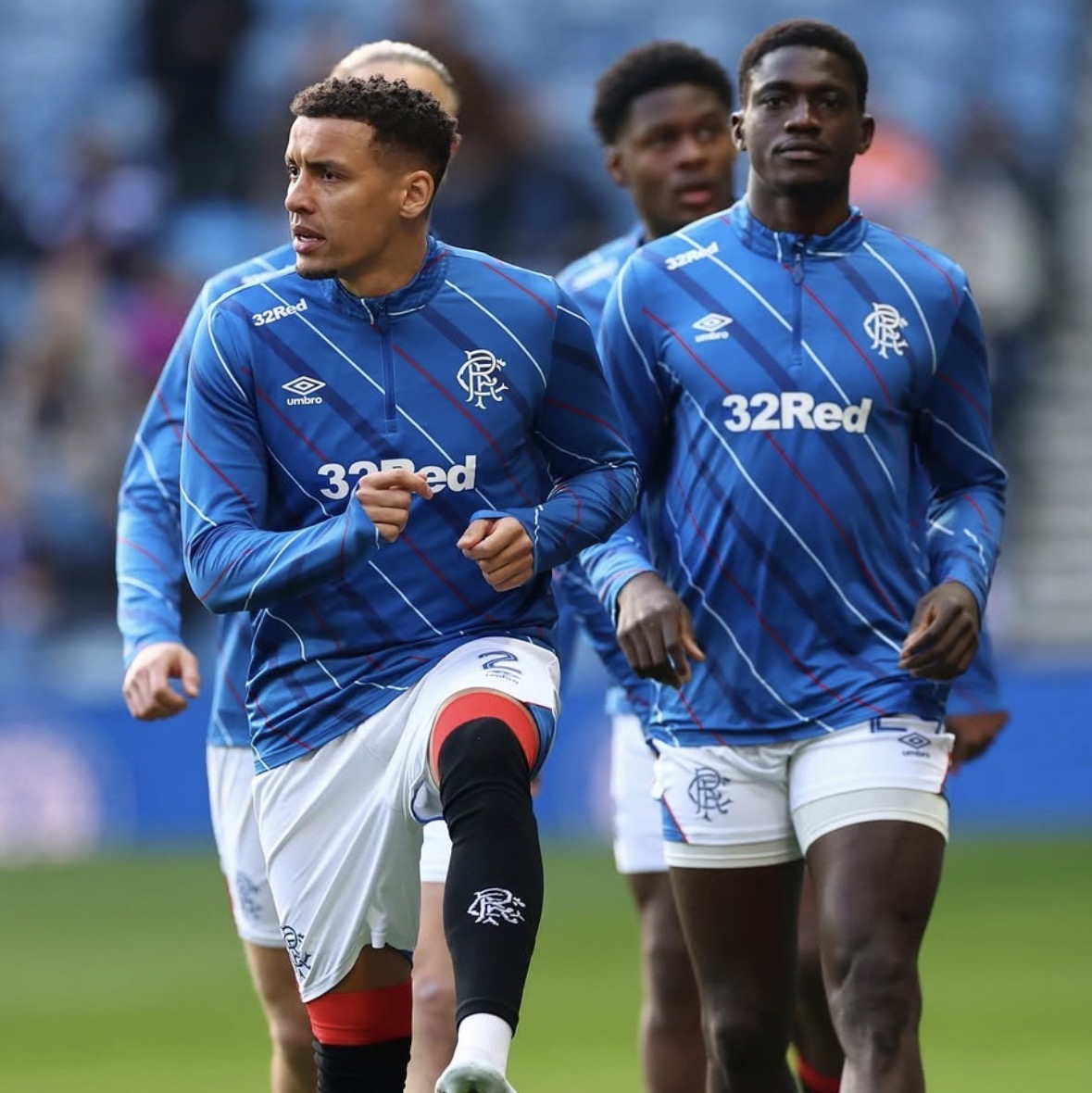
Rangers Meltdown Deepens as Three Players Wipe Club Identity From Social Media After Hearts Defeat
The fallout from Rangers F.C.’s damaging 2-1 defeat to Heart of Midlothian F.C. has taken a dramatic and deeply troubling turn, with three first-team players reportedly deleting every trace of their association with the club from their social media profiles.
In what is being described by fans as “embarrassing,” “worrying,” and “a complete breakdown,” two midfielders and one defender have wiped bios, removed profile pictures in club colours, and even deleted past posts linked to Rangers—just hours after being relentlessly targeted by supporters online.
This is no longer just about a bad result. This is about a club spiralling into emotional, psychological, and structural crisis.
A Defeat That Sparked Chaos
The defeat at Tynecastle was not just another loss—it was a symbolic collapse of Rangers’ title ambitions.
According to match reports, Rangers initially took the lead through Dujon Sterling, only to be completely overrun in the second half as Hearts staged a comeback through goals from Stephen Kingsley and Lawrence Shankland.
The result leaves Rangers seven points behind with only a handful of games remaining—effectively ending their title challenge.
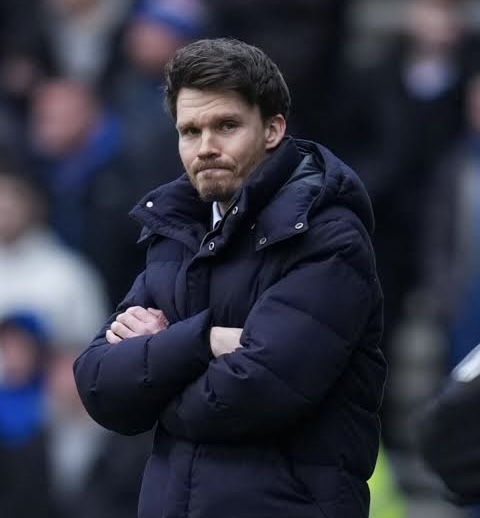
For a club that had shown promise under Danny Röhl earlier in the season, the collapse has been brutal and sudden.
And fans did not hold back.
Fan Fury Reaches Boiling Point
Immediately after the final whistle, tensions exploded.
Reports confirmed heated exchanges between players and supporters, with at least one Rangers player seen confronting angry fans in scenes not broadcast live.
The criticism didn’t stop in the stadium—it intensified online.
- Abuse flooded comment sections
- Players were tagged in thousands of angry posts
- Personal insults and blame campaigns went viral
One player, in particular, was singled out by pundits, with former professionals questioning leadership and mentality.
The tone quickly shifted from frustration to outright hostility.
The Social Media Exodus
Then came the shocking reaction.
Within hours of the defeat, eagle-eyed fans noticed something strange:
- Three Rangers players had removed all club references from their bios
- Profile pictures featuring Rangers kits disappeared
- Matchday posts were deleted
- Comments were turned off or accounts restricted
For modern footballers, social media is part of their identity. Removing club affiliation is not a small gesture—it is a statement.
And fans immediately interpreted it in the worst possible way:
- “They’ve given up on the club”
- “They can’t handle pressure”
- “They’re preparing to leave”
Whether those assumptions are true or not, the damage was already done.
Why Players Are Reaching Breaking Point
This incident highlights a growing issue in modern football: the toxic relationship between players and online fanbases.
Rangers are no strangers to social media abuse. The club has previously taken collective action, including a boycott of platforms to protest online harassment and racism directed at players.
So this latest development doesn’t exist in isolation—it’s part of a wider, ongoing problem.
The Reality Players Face
After a defeat like this, players often deal with:
- Thousands of abusive messages within minutes
- Personal attacks targeting family and identity
- Viral clips mocking mistakes
- Relentless tagging and trolling
Deleting posts or removing club references becomes a form of self-protection.
But ironically, it often makes things worse.
Research shows that deleting content can actually attract more attention, as people assume the removed material was “damaging” or controversial.
In football terms, that means:
👉 The more players try to escape criticism, the more scrutiny they attract.
Dressing Room Fallout?
The bigger concern is what this says about the dressing room.
When players begin to distance themselves from the club publicly, it raises serious questions:
- Is there a lack of unity?
- Have certain players mentally checked out?
- Is the dressing room divided?
Rangers have a history of strong leadership figures, from past icons to current captain James Tavernier.
But recent criticism—even from pundits—suggests that leadership on the pitch is being questioned.
And when leadership weakens, fractures begin to show.
A Season Unravelling Fast
What makes this situation even more dramatic is how quickly things have fallen apart.
Just weeks ago:
- Rangers were in the title race
- Confidence was high
- Momentum was building
Now:
- Title hopes are effectively over
- Fans are turning on players
- Players are retreating from public view
The speed of this collapse has left supporters stunned.
The Psychological Toll of Modern Football
This situation also exposes the mental health challenges players face in today’s game.
Unlike previous generations, modern footballers are:
- Constantly accessible
- Constantly judged
- Constantly exposed
There is no escape after a bad performance.
For players at a club like Rangers—where expectations are enormous—the pressure is even more intense.
And when results go wrong, the backlash can become overwhelming.
Fan Reaction: Divided and Explosive
Interestingly, not all fans are reacting the same way.
The Angry Camp
Many supporters see the deletions as unacceptable:
- “Wear the badge with pride or leave”
- “You don’t hide when things get tough”
The Sympathetic Camp
Others are urging restraint:
- “The abuse has gone too far”
- “They’re human beings, not robots”
This division reflects a broader debate in football:
👉 Where is the line between criticism and abuse?
What Happens Next?
This situation leaves Rangers at a critical crossroads.
Scenario 1: Club Intervention
The club may step in to:
- Support players publicly
- Condemn online abuse
- Encourage unity
Scenario 2: Internal Discipline
Alternatively, the club could view the deletions as unprofessional and take action internally.
Scenario 3: Transfer Fallout
In the worst-case scenario, this could signal:
- Players pushing for exits
- Dressing room instability
- A summer rebuild
Nigerian Perspective: Lessons in Fan Culture
From a Nigerian football perspective, this situation feels familiar.
African footballers—both locally and abroad—often face intense criticism, especially on social media.
But what’s different here is the scale and immediacy.
In Europe:
- Abuse spreads globally within minutes
- Narratives are shaped instantly
- Players are under 24/7 scrutiny
This incident serves as a warning:
👉 Football passion can quickly turn toxic if not controlled.
The Bigger Picture: A Club Under Pressure
Rangers F.C. remains one of the biggest clubs in Scotland, with a massive fanbase and historic expectations.
But moments like this reveal the fragile balance between:
- Passion and pressure
- Support and criticism
- Loyalty and frustration
When that balance breaks, chaos follows.
Conclusion: More Than Just Deleted Posts
At first glance, this story is about three players deleting social media references.
But in reality, it’s about something much bigger:
- A team losing its direction
- A fanbase losing patience
- Players losing their emotional shield
The 2-1 defeat to Heart of Midlothian F.C. may go down as the moment Rangers’ season collapsed.
But what’s happening now—online, in dressing rooms, and within the fanbase—could define what happens next.
Because when players start distancing themselves from the badge…
…it’s no longer just a bad result.
It’s a crisis.







Post Comment