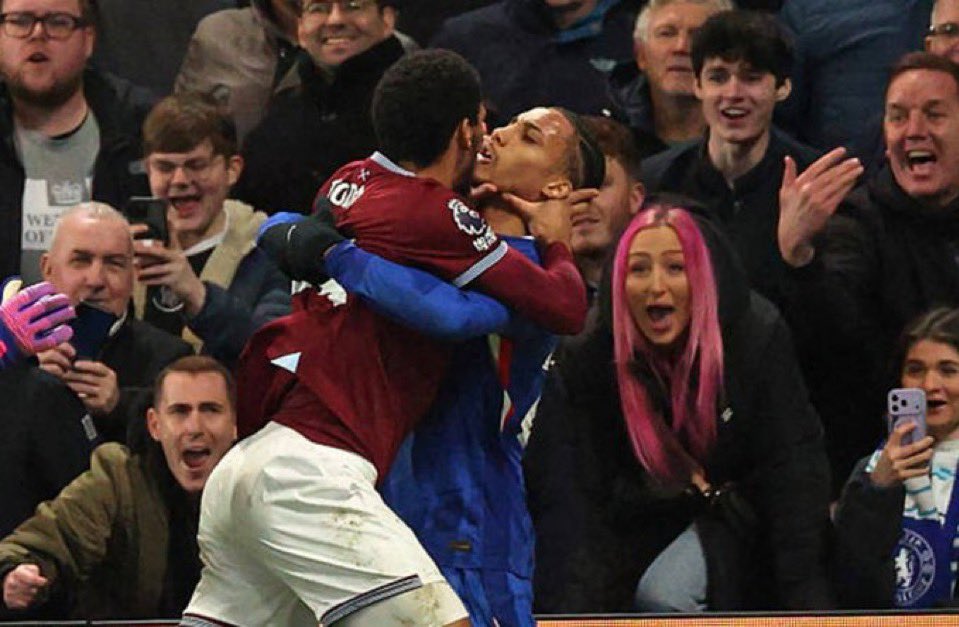
AFTER MUCH DELIBERATION THE FA HAVE FINALLY ISSUED THE PUNISHMENT FOR TODIBO ,FA IS TOTALLY BIAS
Views: 37
The Football Association has finally broken its silence — but instead of calming the storm, it has poured petrol on an already raging fire.
After days of intense scrutiny, endless replays, pundit debates, and fan outrage across social media, the FA has officially announced the punishment for Jean-Clair Todibo following his violent conduct incident against Marc Cucurella. And as expected, the reaction has been explosive.
From accusations of institutional bias, to claims of selective justice, and even suggestions that certain clubs and players are “protected,” the FA’s decision has left fans, analysts, and former referees fuming.
What was supposed to be the final word on a controversial incident has instead become one of the most talked-about refereeing scandals of the season.
THE INCIDENT THAT SHOCKED EVERYONE
It all unfolded in a heated, high-stakes Premier League clash that was already brimming with tension.
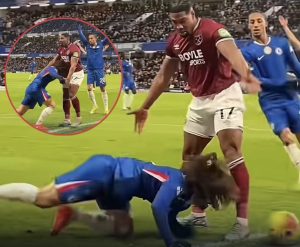
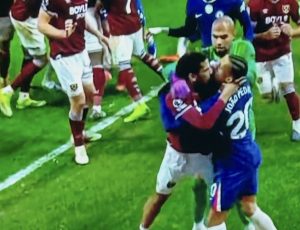
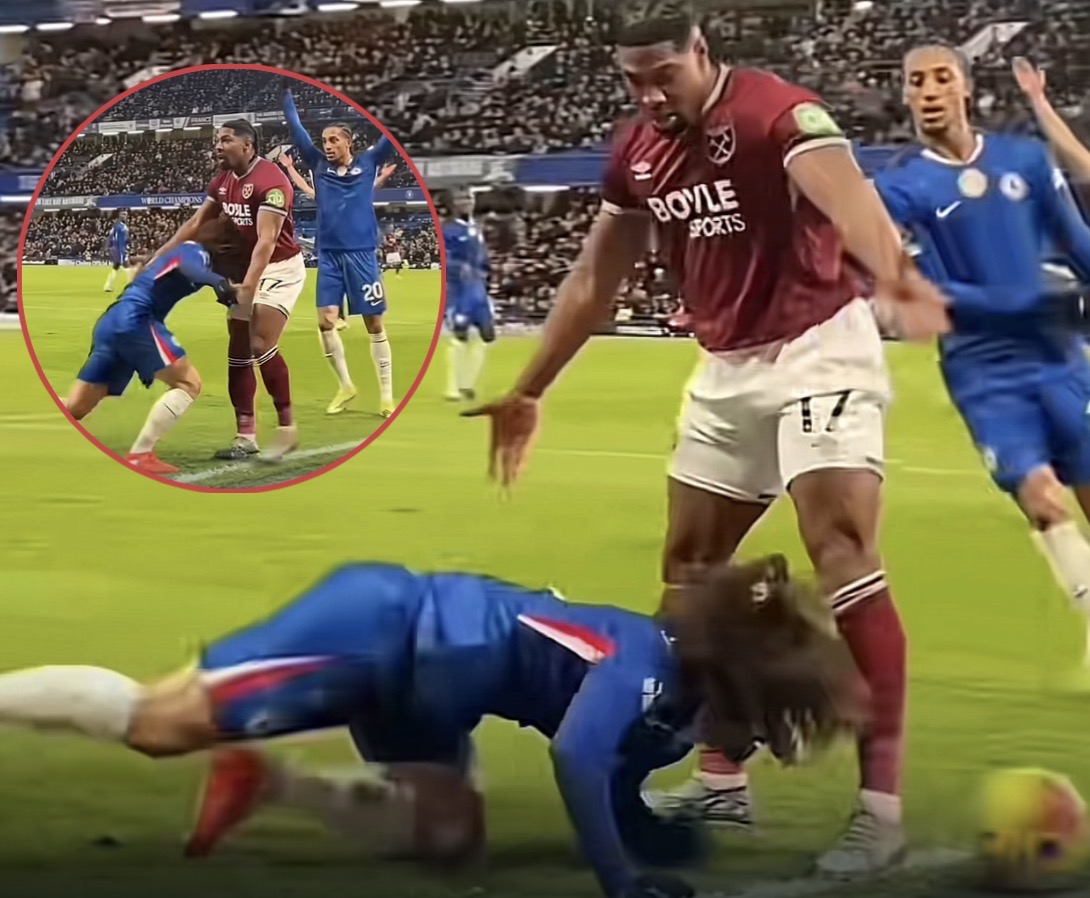
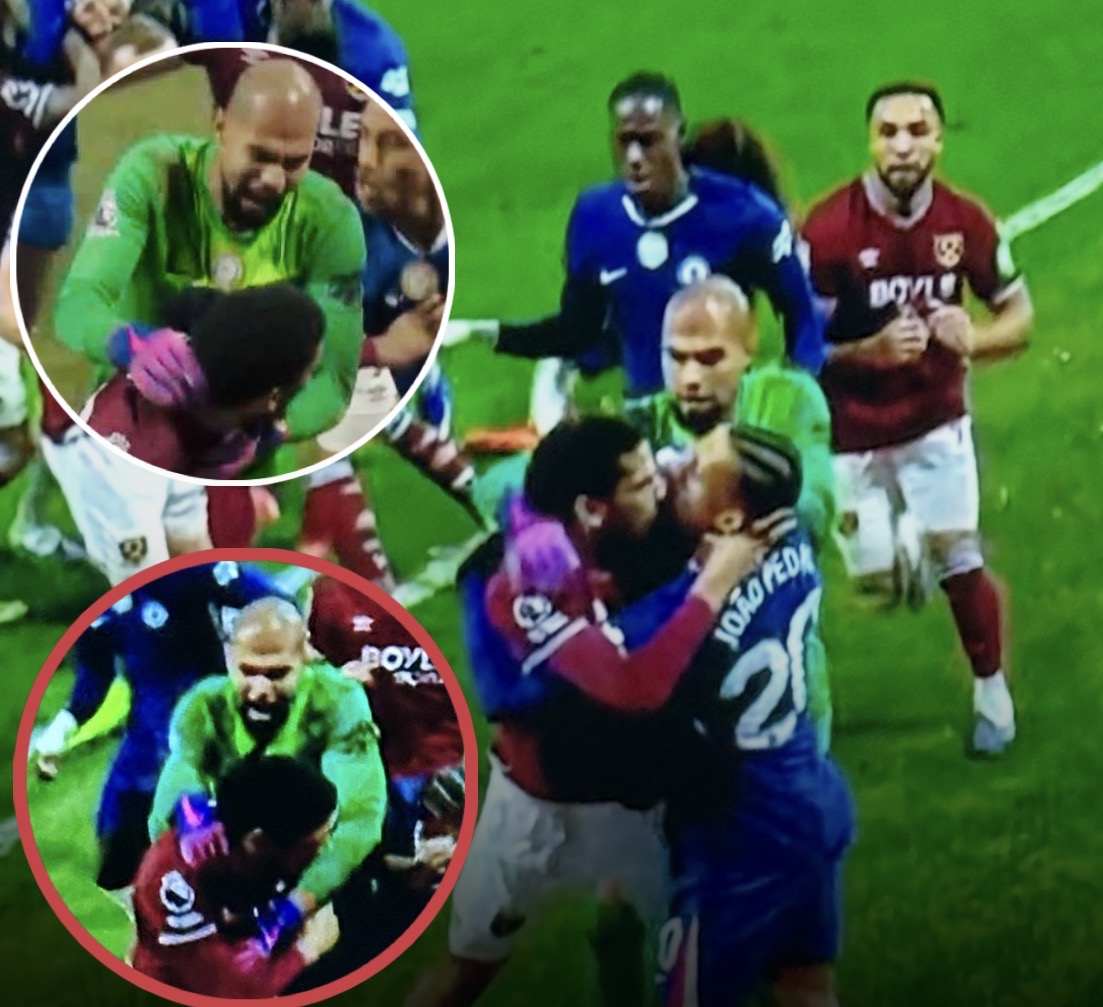
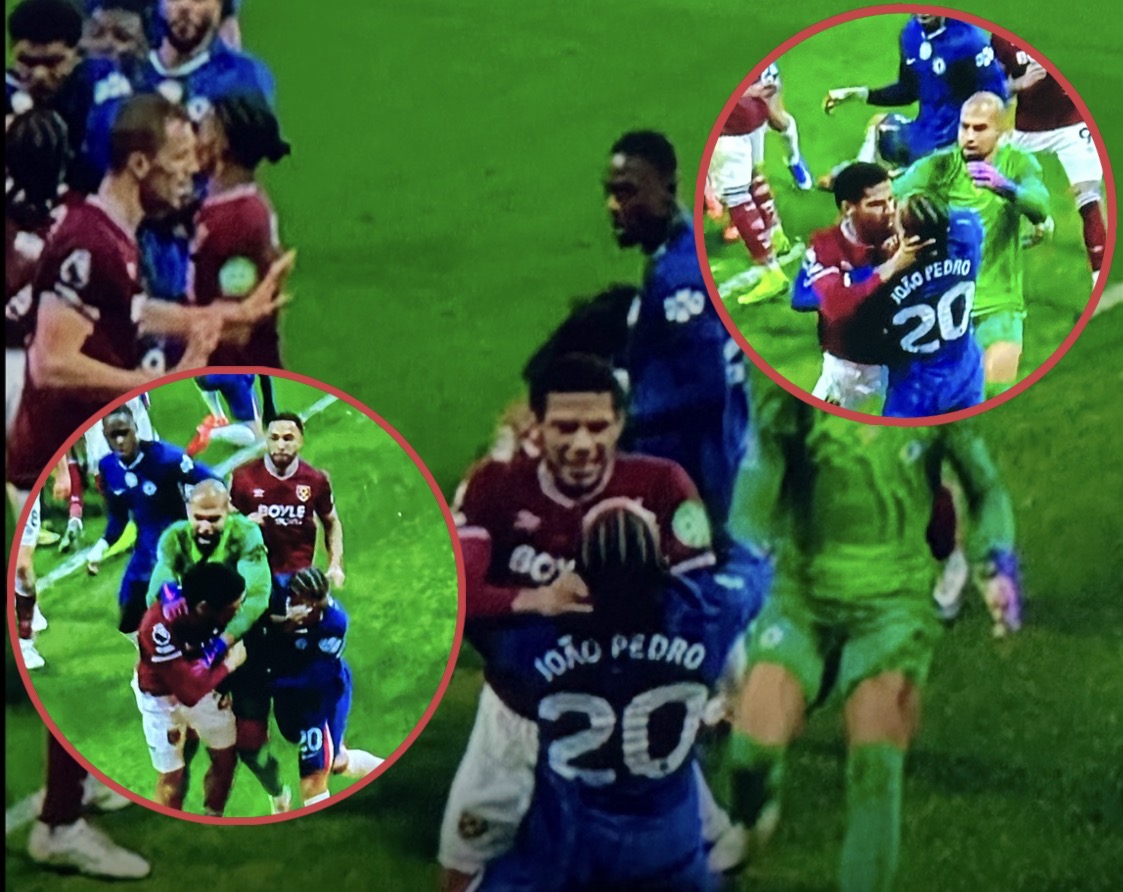
As the match reached boiling point, cameras caught Todibo and Cucurella locked in a physical duel off the ball. What followed stunned viewers: Todibo lashed out, making forceful contact with Cucurella in what many immediately labeled as clear violent conduct.
Cucurella went to ground, players rushed in, and chaos ensued.
 Screenshot
Yet, incredibly, no red card was shown on the pitch.
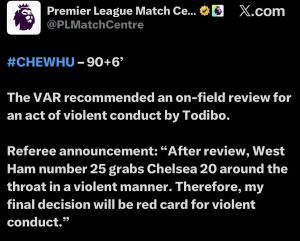
VAR reviewed the incident. The referee stood by his original decision. Play resumed.
Within minutes, social media erupted.
“HOW IS THAT NOT A RED CARD?”
Fans across rival allegiances were united in disbelief.
Former players called it “reckless.”
Pundits described it as “textbook violent conduct.”
 Screenshot
Refereeing analysts replayed the footage frame-by-frame — and still couldn’t understand how Todibo escaped immediate punishment.
To make matters worse, another player in the same match was sent off for a far less severe incident, fueling accusations of inconsistency.
The phrase “FA bias” began trending before halftime.
 Screenshot
THE FA STEP IN — BUT TOO LITTLE, TOO LATE?
With pressure mounting, the FA confirmed it would retrospectively review the incident.
For days, fans waited.
Would justice finally be served?
Would the FA admit VAR got it wrong?
Would Todibo receive the standard three-match ban for violent conduct?
When the verdict finally arrived, it sent shockwaves through the football world.
THE OFFICIAL PUNISHMENT — AND WHY IT’S CAUSED OUTRAGE
The FA confirmed that Todibo will face disciplinary action, but the punishment fell far short of what many expected.
Instead of a lengthy suspension that mirrors past cases of violent conduct, Todibo received a reduced ban, accompanied by a fine — a decision the FA justified by citing “mitigating circumstances.”
Those two words — mitigating circumstances — detonated outrage.
Fans immediately demanded to know:
- What mitigating circumstances justify striking an opponent?
- Why weren’t those same considerations applied in previous cases?
- Would this leniency exist if the roles were reversed?
CUCURELLA LEFT UNPROTECTED?
From the perspective of Cucurella and his supporters, the decision feels like a slap in the face.
The Chelsea defender was the victim in the incident, yet many believe the FA’s ruling downplays the seriousness of what happened.
Cucurella himself remained professional in public, but sources close to the club suggest there is deep frustration behind the scenes.
One former referee didn’t mince words on television:
“If that’s not violent conduct deserving of a full ban, then we’ve lost all consistency in the laws of the game.”
THE BIAS ACCUSATIONS GROW LOUDER
This is where the controversy truly explodes.
Fans have been quick to compile comparisons — incidents from past seasons where players received harsher punishments for similar or even lesser offences.
Screenshots, clips, and timelines flooded X, Instagram, and TikTok.
The conclusion many have drawn is damning:
The FA enforces rules differently depending on the player, club, or situation.
Whether that perception is fair or not, it is one the FA has struggled with for years — and this decision has only strengthened it.
WHY VAR IS ON TRIAL AGAIN
VAR was supposed to eliminate controversy.
Instead, it has become the center of it.
The Todibo–Cucurella incident reignites the biggest question in modern football:
What exactly is VAR for?
- Clear contact? ✔️
- Off-the-ball incident? ✔️
- Violent action? ✔️
And yet, no red card.
Fans are asking why VAR officials did not advise an on-field review — and why the referee wasn’t sent to the monitor.
The silence from VAR officials has only added to the anger.
PUNDITS TURN ON THE FA
Even typically reserved analysts have struggled to defend the ruling.
One former international defender said:
“You can’t preach player safety one week and excuse violence the next. That’s hypocrisy.”
Another pundit went further:
“This decision undermines trust in the FA completely. Players won’t know where the line is anymore.”
When voices from inside the game begin openly questioning governance, alarm bells should be ringing.
WHAT THIS MEANS GOING FORWARD
The consequences of this decision stretch far beyond Todibo.
- Players may feel emboldened, believing punishments are negotiable.
- Victims of violent conduct may feel unprotected.
- Referees face even more pressure in an already impossible job.
- The FA’s credibility takes another hit.
And perhaps most dangerously, fans are losing faith that the rules are applied equally.
THE BIGGER PROBLEM NO ONE CAN IGNORE
This isn’t just about one incident.
It’s about patterns.
Every season seems to bring another decision that fans label “inexplicable.” Another ruling that appears to contradict previous ones. Another moment where transparency is missing.
Until the FA addresses this head-on — with clear explanations, consistent standards, and accountability — controversies like this will continue to dominate headlines.
FINAL VERDICT: A DECISION THAT CHANGES NOTHING
The FA may believe the Todibo punishment closes the case.
In reality, it has opened an even bigger one.
Instead of restoring confidence, the ruling has deepened mistrust. Instead of calming fans, it has enraged them. Instead of clarity, it has delivered confusion.
For many supporters, one conclusion feels unavoidable:
Justice in English football is no longer blind — and that’s the most worrying part of all.



Post Comment