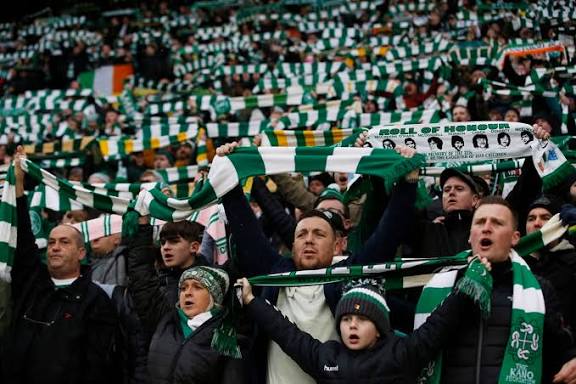
FUMING CELTIC FANS BELT OUT ANTI-WILFRIED NANCY CHANTS AT DUNDEE UNITED AS THEY CALL FOR MARTIN O’NEILL’S RETURN.
Views: 49
FUMING CELTIC FANS BELT OUT ANTI-WILFRIED NANCY CHANTS AT DUNDEE UNITED AS THEY CALL FOR MARTIN O’NEILL’S RETURN
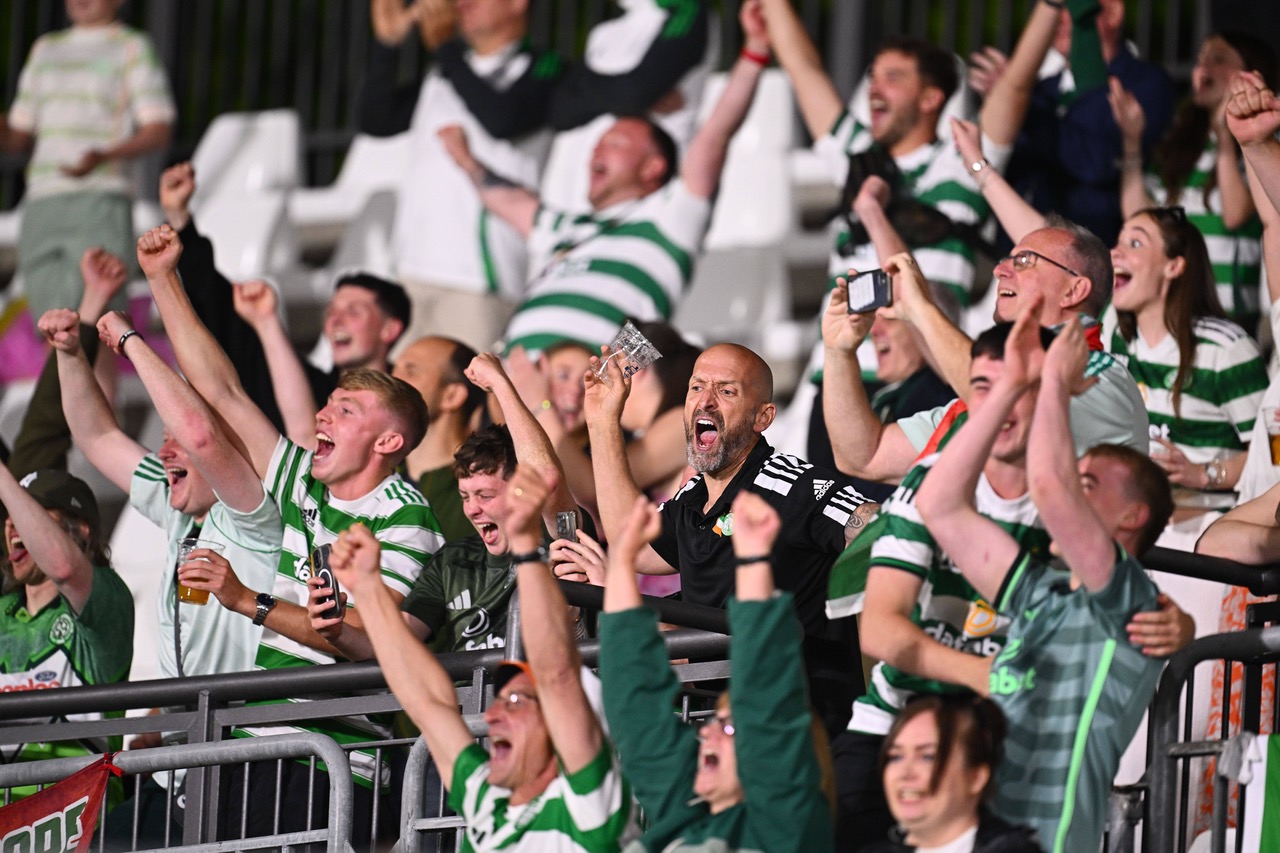
Celtic’s growing crisis spilled out of the stands and into full public view as furious supporters belted out anti-Wilfried Nancy chants during the clash with Dundee United, turning what should have been a routine domestic fixture into a thunderous protest against the club’s current direction. What stunned many observers was not just the anger, but the speed, unity, and creativity of the supporters — chants were created instantly, spreading through the away end like wildfire, carrying one clear message: the Celtic support has lost faith in Wilfried Nancy and wants Martin O’Neill back.
From the opening minutes of the match, it was clear that this was about far more than ninety minutes of football. Every misplaced pass, every hesitant press, every tactical misstep only fueled the noise from the stands. By the first quarter of an hour, the mood had shifted decisively from nervous anticipation to outright rebellion. Songs aimed directly at Nancy rang out, followed quickly by nostalgic chants praising former manager Martin O’Neill — a name that still holds legendary status among the Celtic faithful.
A Fanbase at Breaking Point
Celtic supporters are passionate, demanding, and deeply knowledgeable about their club. They understand that defeats happen in football, but what they refuse to accept is a lack of direction, identity, and accountability. For weeks, frustration has been simmering. Against Dundee United, it finally boiled over.
The chants were relentless. “Nancy out” echoed repeatedly, cutting through the stadium atmosphere. Moments later, a familiar tune rose above the rest: “O’Neill, O’Neill, bring back Martin O’Neill.” Within minutes, thousands were singing in unison. It was spontaneous, emotional, and unmistakably symbolic.
Supporters were not merely expressing dissatisfaction with results; they were rejecting the entire project under the current manager. Many fans believe the team looks disjointed, poorly coached, and mentally fragile — a far cry from what Celtic represents.
Instant Chants, Instant Verdict
One of the most striking aspects of the protest was how quickly the chants formed. There was no organized display, no pre-planned demonstration. Instead, frustration gave birth to creativity in real time. A single voice became a row, a row became a stand, and before long, the chant had taken over the ground.
That instant reaction speaks volumes about the mood within the Celtic support. This is not a fanbase divided or uncertain. It is one that feels it has seen enough.
Fans pointed to repeated tactical experiments, confusing selections, and in-game management that appears reactive rather than authoritative. Against Dundee United, moments that required calm leadership instead exposed what many believe is a lack of control from the touchline.
“He doesn’t inspire confidence,” one supporter said after the match. “You look at the dugout and you don’t see belief. That spreads to the players.”
Why Martin O’Neill’s Name Still Resonates
The call for Martin O’Neill’s return is not accidental, nor is it driven purely by nostalgia. For many Celtic supporters, O’Neill represents everything they feel is missing right now: leadership, clarity, authority, and an unbreakable connection with the club’s identity.
Under O’Neill, Celtic were disciplined, aggressive, and fearless — particularly in big games. Players knew their roles. Fans trusted the manager. Even when challenges arose, there was a sense of direction and unity. That contrast with the current situation could not be sharper.
Chanting O’Neill’s name was as much an indictment of the present as it was praise for the past. It was a reminder of standards once set — and now perceived to be abandoned.
Anti-Nancy Sentiment Grows Louder
The chants directed at Wilfried Nancy were not just expressions of anger; they were verdicts. Supporters accused him of overcomplicating tactics, failing to motivate players, and misunderstanding the demands of Scottish football. Some chants questioned his credibility altogether, suggesting he is simply not suited to the scale and pressure of managing Celtic.
What makes this particularly damaging is that it unfolded in real time during a competitive match. Players could hear it. Cameras captured it. Opposing fans noticed it. Moments like these have a way of accelerating crises.
Once a manager loses the backing of the supporters so publicly, the situation becomes increasingly difficult to recover. Every future decision is scrutinized. Every result is magnified. Every mistake is unforgiven.
Players Caught in the Middle
While the chants were aimed at the manager, many fans expressed sympathy for the players, arguing that they are victims of unclear instructions and constant tactical shifts. Some applauded individual efforts even as they criticized the overall structure of the team.
However, the atmosphere undoubtedly affected performances. Passes went astray, confidence drained, and composure vanished. It became a vicious cycle — poor play fueled anger, anger fueled noise, and noise added pressure.
This is the reality of managing a club like Celtic. When the bond between manager and fans fractures, the pitch becomes an unforgiving place.
A Warning to the Board
Beyond the manager, the chants also carried an implicit message to the Celtic board. Supporters believe the club’s leadership must act decisively and not allow the situation to deteriorate further. Many fans fear that delaying action will only deepen the crisis, damage player morale, and risk the club’s ambitions domestically and in Europe.
The call for Martin O’Neill may or may not be realistic, but the underlying demand is clear: Celtic need strong leadership now.
Conclusion: A Club at a Crossroads
The scenes at Dundee United were not an overreaction; they were the release of weeks of pent-up frustration. Fuming Celtic fans did not whisper their concerns — they shouted them, sang them, and made them impossible to ignore.
Anti-Wilfried Nancy chants, created instantly and sung relentlessly, signaled a fanbase that believes change is no longer optional. The invocation of Martin O’Neill’s name served as both a reminder of past glory and a benchmark for what supporters expect.
Celtic now stand at a crossroads. Ignore the voices from the stands, and risk further unrest. Listen, act, and attempt to restore belief — or watch the divide grow wider with every match.
One thing is beyond doubt: the Celtic fans have spoken, loudly and clearly — and they are not backing down.





Post Comment